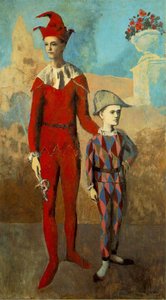
Giclée tisak muzejske kvalitete ili otisak na platnu uz brzu proizvodnju i fleksibilne opcije završne obrade. ( Prebacite se na ručno oslikano djelo Prebacite na sliku)





























Odaberite jednu od naših unaprijed definiranih veličina koje odgovaraju izvornim proporcijama umjetničkog djela.

Možete unijeti vlastite dimenzije kako biste umjetničko djelo prilagodili specifičnom okviru ili prostoru. Ako odabrana veličina ne odgovara proporcijama izvornog rada, izrezat ćemo dio slike ili je proširiti pomoću ogledalnog efekta ili jednobojne rubne površine. Digitalni prikaz (mockup) bit će vam poslan na odobrenje prije početka proizvodnje.
Imajte na umu da pregled na zaslonu ne odražava stvarno izrezivanje ili proširivanje. Samo će mockup točno prikazati konačnu kompoziciju.
Iako su dostupne prilagođene veličine, preporučujemo odabir dimenzije iz unaprijed definirane liste kako biste očuvali izvorne proporcije.
Dostava širom svijeta () u roku od 2 tjedna umjesto standardnih 4/5 tjedana. (3 Kolovoz)


Claude writing
Veličina reprodukcije
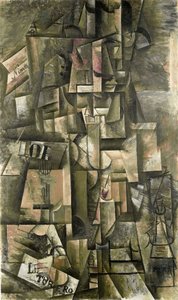
Pablo Picasso’s Claude Writing stands as a poignant emblem of Surrealist exploration and Cubist innovation—a deceptively simple portrait that unveils layers of psychological depth and artistic experimentation.
Created in 1913 during Picasso’s fervent embrace of Synthetic Cubism, this artwork transcends mere representation. It's less about capturing an objective likeness and more about conveying a state of mind; the young boy depicted is absorbed in contemplation, his hands pressed against his face—a gesture universally understood as one of vulnerability and introspection.
The stylistic choices are deliberate and groundbreaking. Picasso employs collage extensively, incorporating fragments of newspaper into the canvas to generate texture and depth. This technique wasn’t merely decorative; it mirrored the Surrealist preoccupation with juxtaposing disparate elements to provoke subconscious associations—a visual echo of Freud's psychoanalytic theories.
Furthermore, Picasso adheres rigorously to Cubist principles. The head dominates the composition, rendered in fractured planes that defy traditional perspective. This fragmentation isn’t random; it reflects Picasso’s desire to dismantle illusion and reveal underlying structure – mirroring the broader artistic movement’s rejection of academic conventions.
The muted palette—primarily greens and browns—contributes to the painting's melancholic atmosphere. These colors evoke feelings of solitude and contemplation, aligning with the psychological themes prevalent in Surrealist art. The artist’s masterful use of light and shadow enhances this sense of drama, guiding the viewer’s gaze toward the boy’s face and emphasizing his emotional expression.
Picasso's Claude Writing isn’t merely a visual depiction; it’s an invitation to delve into the complexities of human emotion and artistic innovation—a testament to Picasso's enduring legacy as one of the most influential artists of the 20th century.
To learn more about cubism and its impact on modern art, visit Pablo Picasso on BuyPopArt.
For a deeper understanding of cubism and its influence on artistic expression, explore Cubism on Wikipedia.
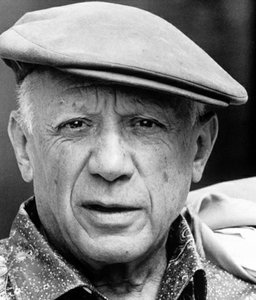
1881 - 1973 , Španjolska

Explore the history of Academic painting – its techniques, ideology & lasting influence on art. Discover key artists, movements & the Salon system. A comprehensive guide for art enthusiasts.

Otkrijte 10 remekdjela koja su definirala kubizam! Istražite Picasso, Braque i druge majstore moderne umjetnosti. Detaljne priče o tehnikama i značenju. Inspirirajte se za svoj interijer s vrhunskim reprodukcijama na BuyPopArt.com!

Explore 10 revolutionary Cubist portraits by Picasso, Braque & more! Discover the stories behind these iconic paintings and how they shaped modern art. Find museum-quality reproductions to elevate your home decor on BuyPopArt.com.

Uronite u svijet Georges Braquea! Otkrijte 25 remek-djela kubizma i moderne umjetnosti. Saznajte priče iza slika, tehnike i inspiraciju ovog francuskog slikara. Kupite reprodukcije vrhunske kvalitete za vaš dom na BuyPopArt.com

Transform cherished photos into timeless oil paintings with skilled artists. Trusted for bespoke portraits & heirloom art. Discover the process, styles & lasting value – a legacy preserved.


Budite u tijeku s najnovijim umjetničkim vijestima, ekskluzivnim ponudama i idejama za dekoraciju.
Recite nam nešto o svom projektu, a naši će stručnjaci za umjetnost pripremiti 3 personalizirana prijedloga umjetnina.
Dopustite nam da odaberemo 3 opcije samo za Vas – Besplatno!


 Pregledaj u stvarnoj veličini
 Pošalji
 Podijeli
 Detalji o umjetničkom djelu

 Preuzmi
 Slični predmeti
 Rentgenska snimka
 Automatska prezentacija

 Prikaži više







 Opcija stakla dostupna je samo za dimenzije manje od 110 cm