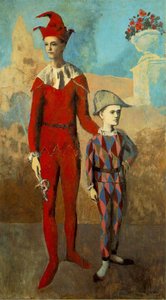
WatercolorWallArtCubist Representation
 1915Modern
 29.0 x 23.0 cm
Giclée tisak muzejske kvalitete ili otisak na platnu uz brzu proizvodnju i fleksibilne opcije završne obrade. ( Kupi ručno naslikanu sliku Kupi digitalnu sliku)





























Odaberite jednu od naših unaprijed definiranih veličina koje odgovaraju izvornim proporcijama umjetničkog djela.

Možete unijeti vlastite dimenzije kako biste umjetničko djelo prilagodili specifičnom okviru ili prostoru. Ako odabrana veličina ne odgovara proporcijama izvornog rada, izrezat ćemo dio slike ili je proširiti pomoću ogledalnog efekta ili jednobojne rubne površine. Digitalni prikaz (mockup) bit će vam poslan na odobrenje prije početka proizvodnje.
Imajte na umu da pregled na zaslonu ne odražava stvarno izrezivanje ili proširivanje. Samo će mockup točno prikazati konačnu kompoziciju.
Iako su dostupne prilagođene veličine, preporučujemo odabir dimenzije iz unaprijed definirane liste kako biste očuvali izvorne proporcije.
Dostava širom svijeta () u roku od 2 tjedna umjesto standardnih 4/5 tjedana. (17 Kolovoz)


Seated Man
Veličina reprodukcije
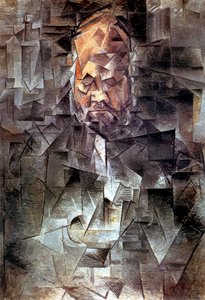
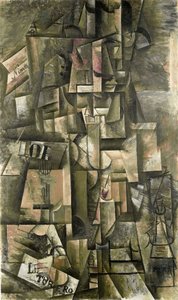
In the vast, revolutionary landscape of Pablo Picasso’s oeuvre, few works capture the delicate tension between stability and dissolution as poignantly as “Seated Man,” created in 1915. This watercolor and gouache masterpiece serves as a profound window into a pivotal moment in art history, where the artist was actively dismantling the traditional boundaries of portraiture. At first glance, the subject appears deceptively simple: a man resting upon a chair, his posture suggesting a quiet, perhaps even weary, contemplation. Yet, beneath this surface of stillness lies the restless energy of Cubism, a movement that sought to redefine how we perceive the very fabric of reality.
As one gazes into the composition, the eye is immediately drawn to Picasso’s masterful manipulation of form. Eschewing the soft, naturalistic light of his earlier periods, the artist employs a language of geometric abstraction. The human figure is not merely depicted; it is deconstructed. Through the strategic use of planes, cylinders, and cubes, Picasso breaks the body into a rhythmic arrangement of shapes that challenge the viewer to reconstruct the man in their own mind. This technique does more than showcase technical prowess; it invites an intimate psychological engagement, forcing us to witness the subject from multiple perspectives simultaneously, much like the fragmented nature of memory itself.
To understand the emotional gravity of “Seated Man,” one must consider the turbulent era in which it was birthed. Created amidst the escalating shadows of World War I, the painting vibrates with an underlying sense of instability. The fragmentation of the figure can be read as a visual metaphor for a world being torn apart by conflict. Furthermore, Picasso’s personal life during this period—marked by profound grief following the loss of his sister, Marie—infuses the work with a subtle, melancholic undertone. There is a certain heaviness in the seated posture, a stillness that feels less like peace and more like a moment frozen in the face of an uncertain future.
The medium of watercolor and gouache provides a breathtakingly tactile experience for the observer. Unlike the heavy impasto of oil paintings, the translucency of the watercolor allows for a delicate interplay of light and shadow, creating a sense of depth that belies the work's small scale. The fluid strokes dance against more rigid, decisive lines, mirroring the duality of the subject: the organic vulnerability of a human being trapped within the structural rigidity of a changing world. For the collector or the interior designer, this piece offers a sophisticated balance of intellectual depth and aesthetic grace.
For those seeking to curate a space that speaks to both intellect and emotion, “Seated Man” represents an unparalleled choice. It is a work that commands attention not through loud colors or grand scale, but through its quiet, commanding presence. Its neutral palette and structural complexity make it a versatile cornerstone for modern interiors, capable of anchoring a room with its historical significance and avant-garde spirit.
Owning a high-quality reproduction of this work is an opportunity to bring a piece of the Cubist revolution into the contemporary home. It serves as a daily reminder of the power of perspective—of the ability to find beauty in the broken, and meaning in the fragmented. Whether placed in a minimalist gallery setting or a richly textured study, Picasso’s “Seated Man” continues to provoke thought, inspire wonder, and bridge the gap between the historical avant-garde and the modern aesthetic.

1881 - 1973 , Španjolska

Uronite u svijet El Greca! Otkrijte 25 remek-djela španjolskog renesansnog genija. Istražite povijest, stil i tehniku ovih ikoničnih slika. Kupite reprodukcije visoke kvalitete za vaš dom na BuyPopArt.com

Uronite u svijet genija Leonarda da Vincija! Otkrijte 25 remek-djela renesanse – Mona Lisa, Posljednja večera i mnoge druge. Povijest umjetnosti, tehnike slikanja i inspiracija za vaš dom. Kupite reprodukcije vrhunske kvalitete na BuyPopArt.com

Uronite u svijet Rembrandta van Rijna! Otkrijte 25 najpoznatijih djela nizozemskog baroka, priče iza portreta i biblijskih scena te majstorstvo svjetla i sjene. Kupite reprodukcije vrhunske kvalitete za vaš dom na BuyPopArt.com
Uronite u svijet Hermitagea! Otkrijte 25 remek-djela Rembrandta, Leonarda da Vincija i drugih majstora. Povijest umjetnosti, inspiracija za interijer & reprodukcije slika vrhunske kvalitete na BuyPopArt.com.

Uronite u svijet Fra Angelica! Otkrijte 25 remek-djela renesansnog umjetnika, od veličanstvenih freski do oltarnih slika. Inspirirajte se za dekoraciju interijera i kupite reprodukcije vrhunske kvalitete na BuyPopArt.com.


Budite u tijeku s najnovijim umjetničkim vijestima, ekskluzivnim ponudama i idejama za dekoraciju.
Recite nam nešto o svom projektu, a naši će stručnjaci za umjetnost pripremiti 3 personalizirana prijedloga umjetnina.
Dopustite nam da odaberemo 3 opcije samo za Vas – Besplatno!


 Pregledaj u stvarnoj veličini
 Pošalji
 Podijeli
 Detalji o umjetničkom djelu

 Preuzmi
 Slični predmeti
 Rentgenska snimka
 Automatska prezentacija
 Prikaži više







 Opcija stakla dostupna je samo za dimenzije manje od 110 cm