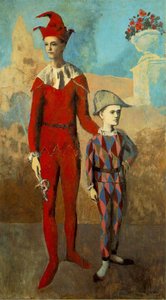
Akril na platnuZidna umjetnostRealism
 189619. stoljeće
 75.0 x 50.0 cm
Giclée tisak muzejske kvalitete ili otisak na platnu uz brzu proizvodnju i fleksibilne opcije završne obrade. ( Kupi ručno naslikanu sliku Kupi digitalnu sliku)





























Odaberite jednu od naših unaprijed definiranih veličina koje odgovaraju izvornim proporcijama umjetničkog djela.

Možete unijeti vlastite dimenzije kako biste umjetničko djelo prilagodili specifičnom okviru ili prostoru. Ako odabrana veličina ne odgovara proporcijama izvornog rada, izrezat ćemo dio slike ili je proširiti pomoću ogledalnog efekta ili jednobojne rubne površine. Digitalni prikaz (mockup) bit će vam poslan na odobrenje prije početka proizvodnje.
Imajte na umu da pregled na zaslonu ne odražava stvarno izrezivanje ili proširivanje. Samo će mockup točno prikazati konačnu kompoziciju.
Iako su dostupne prilagođene veličine, preporučujemo odabir dimenzije iz unaprijed definirane liste kako biste očuvali izvorne proporcije.
Dostava širom svijeta () u roku od 2 tjedna umjesto standardnih 4/5 tjedana. (18 Kolovoz)


The altarboy
Veličina reprodukcije
Pablo Picasso's "The Altar Boy," painted in 1896, stands as a pivotal work within the artist’s formative years, offering a remarkable window into his evolving style and a poignant reflection of late 19th-century artistic trends. This unassuming yet profoundly evocative painting—measuring 75 x 50 cm and currently residing at Santa Maria de Montserrat Abbey in Spain—captures a young boy, an altar boy, standing beside a simple table adorned with flowers and vases. More than just a portrait, it’s a carefully constructed tableau that speaks volumes about the era's artistic sensibilities and foreshadows the revolutionary shifts Picasso would later introduce into the art world.
Initially created during Picasso’s Realism period, “The Altar Boy” demonstrates his remarkable skill in meticulously rendering realistic details. The boy’s attire—a pristine white surplice with delicate lace trim—is rendered with a precision that belies his young age. His stance is one of quiet solemnity, accentuated by the presence of a staff or cane held firmly in his hand, suggesting responsibility and perhaps even a touch of melancholy. The arrangement of the vases and potted plants around the table isn’t merely decorative; it establishes a sense of depth and balance within the composition, creating a formal setting that subtly hints at a religious context – likely indicating the boy's role as an altar boy. The muted color palette—primarily whites, reds, and browns—contributes to the painting’s contemplative atmosphere.
While firmly rooted in Realism, “The Altar Boy” is not simply a static reproduction of reality. It's a crucial stepping stone on Picasso’s artistic journey. His early training under his father, José Ruiz y Blasco, instilled in him a deep understanding of naturalistic depiction—a skill he expertly demonstrates through the painting’s meticulous detail and accurate portrayal of textures. However, it also reveals a nascent desire to move beyond mere representation. The careful observation of light and shadow, combined with a subtle awareness of form, hints at the experimentation that would soon lead him to develop his groundbreaking Cubist style. The painting serves as a testament to Picasso’s foundational abilities—a solid base upon which he would later build his revolutionary innovations.
To fully appreciate “The Altar Boy,” it's essential to consider its place within the broader artistic landscape of the late 19th century. This period was marked by a diverse range of styles, from the continued influence of Realism and Impressionism to the emerging avant-garde movements. Picasso’s work reflects his early exposure to these influences, while simultaneously hinting at the innovative approaches he would soon champion. Comparing it with contemporaries like Paul Gauguin, whose “Still Life with Teapot and Fruit” exemplifies Post-Impressionism—with its emphasis on subjective experience and vibrant color—and Paul Cézanne, known for his exploration of form and light in works such as "Self-Portrait"—illuminates Picasso’s position within this dynamic artistic environment. Gauguin's focus on exotic subjects and emotional intensity contrasts with Picasso’s more restrained realism, while Cézanne’s geometric approach to space anticipates the fractured perspectives that would characterize Cubism.
Beyond its technical merits, “The Altar Boy” is rich in symbolic meaning. The altar boy himself represents innocence, faith, and service—qualities highly valued during the period. The simple setting—the table laden with flowers and vases—suggests a sacred space, reinforcing the religious context of the scene. Even the boy’s posture – upright and attentive – conveys a sense of dignity and responsibility. Picasso masterfully uses these elements to create an image that transcends a mere portrait, offering viewers a glimpse into the values and beliefs of late 19th-century society. The painting's quiet solemnity invites contemplation on themes of youth, faith, and tradition.
1881 - 1973 , Španjolska

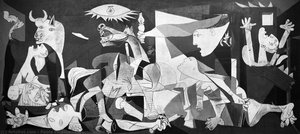
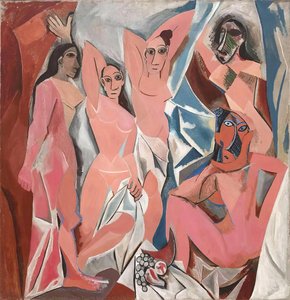
Istražite 25 remek-djela Pabla Picassa – od 'Guernice' do ranih kubističkih radova. Otkrijte priče, tehnike i inspiraciju iza ovih ikoničnih umjetnina. Kupite vrhunske reprodukcije slika na BuyPopArt.com!

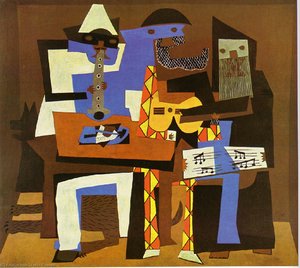
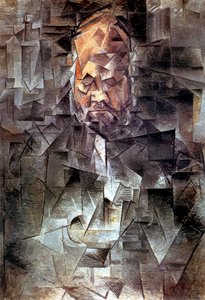
Explore 10 Cubist masterpieces by Picasso, Braque & more! Delve into the history of this revolutionary art movement. Find museum-quality reproductions and elevate your home decor with BuyPopArt. Discover all masterpieces on BuyPopArt.com

Explore 10 defining masterpieces of Romantic Realism! Discover Courbet, Millet & Daumier's powerful paintings—capturing emotion and social realities. Find museum-quality reproductions for your home at BuyPopArt.com.

Explore the dramatic world of Spanish Baroque art! Discover masters like Zurbarán & the powerful influence of religious zeal on painting techniques – a guide for collectors and enthusiasts.

Explore the powerful world of Social Realism art! Discover key artists, masterpieces & its profound social commentary. Expert insights into this influential movement's history and enduring legacy.


Budite u tijeku s najnovijim umjetničkim vijestima, ekskluzivnim ponudama i idejama za dekoraciju.
Recite nam nešto o svom projektu, a naši će stručnjaci za umjetnost pripremiti 3 personalizirana prijedloga umjetnina.
Dopustite nam da odaberemo 3 opcije samo za Vas – Besplatno!


 Pregledaj u stvarnoj veličini
 Pošalji
 Podijeli
 Detalji o umjetničkom djelu

 Preuzmi
 Slični predmeti
 Rentgenska snimka
 Automatska prezentacija
 Prikaži više







 Opcija stakla dostupna je samo za dimenzije manje od 110 cm