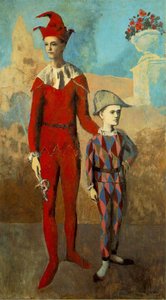
Giclée tisak muzejske kvalitete ili otisak na platnu uz brzu proizvodnju i fleksibilne opcije završne obrade. ( Kupi ručno naslikanu sliku Kupi digitalnu sliku)





























Odaberite jednu od naših unaprijed definiranih veličina koje odgovaraju izvornim proporcijama umjetničkog djela.

Možete unijeti vlastite dimenzije kako biste umjetničko djelo prilagodili specifičnom okviru ili prostoru. Ako odabrana veličina ne odgovara proporcijama izvornog rada, izrezat ćemo dio slike ili je proširiti pomoću ogledalnog efekta ili jednobojne rubne površine. Digitalni prikaz (mockup) bit će vam poslan na odobrenje prije početka proizvodnje.
Imajte na umu da pregled na zaslonu ne odražava stvarno izrezivanje ili proširivanje. Samo će mockup točno prikazati konačnu kompoziciju.
Iako su dostupne prilagođene veličine, preporučujemo odabir dimenzije iz unaprijed definirane liste kako biste očuvali izvorne proporcije.
Dostava širom svijeta () u roku od 2 tjedna umjesto standardnih 4/5 tjedana. (16 Kolovoz)


The Diver
Veličina reprodukcije
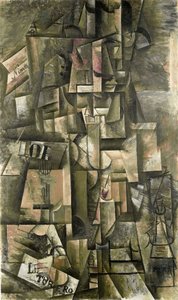
Pablo Picasso's "The Diver," completed in 1932, stands as a cornerstone of Cubism—a movement that irrevocably altered the course of artistic expression. Executed in etching with colored paper additions, this artwork transcends mere visual representation; it delves into the complexities of perception and emotion through a masterful manipulation of geometric abstraction.
The photograph showcases Picasso’s meticulous attention to detail, capturing the subtle textures of the original paper surface alongside the stark beauty of monochrome. The composition itself is dominated by a rectangular space that serves as a canvas for fragmented figures—a deliberate rejection of traditional perspective—creating an unsettling yet captivating visual experience.
Picasso’s stylistic choices are profoundly rooted in the tenets of Cubism, pioneered alongside Georges Braque. Unlike Renaissance art's pursuit of illusionistic depth, Cubism dismantles conventional spatial conventions, presenting multiple viewpoints simultaneously on a single plane. “The Diver” exemplifies this approach perfectly; angular lines intersect and overlap, mirroring the fractured nature of observation and conveying a sense of dynamism that defies static representation.
The artist’s use of geometric shapes—primarily triangles and rectangles—is not merely decorative but fundamental to the artwork's conceptual framework. These forms represent abstracted figures and objects, emphasizing their structural essence rather than their realistic appearance. This deliberate simplification underscores Picasso’s desire to capture the underlying realities beneath surface impressions.
Created during a period of artistic experimentation and intellectual ferment—the early 1930s—"The Diver" reflects the broader anxieties surrounding the impending Second World War. Picasso's Cubist style, born from the influence of Cézanne and African sculpture, responded to the prevailing fascination with scientific advancements and challenged established aesthetic norms.
Beyond its formal innovations, “The Diver” possesses a palpable emotional resonance. The monochrome palette—a deliberate choice mirroring the tonal range found in charcoal sketches—amplifies the artwork’s contemplative mood. The fragmented figures evoke disorientation and uncertainty, prompting viewers to confront multiple perspectives on existence and conveying a profound sense of melancholy.
The etching process itself contributes to the artwork's visual impact, allowing for precise tonal gradations and subtle textural nuances that would be unattainable with paint. Picasso skillfully utilized ink and charcoal on paper—a technique he honed throughout his prolific career—to achieve a remarkable level of detail while maintaining the stylistic integrity demanded by Cubism.
The photograph meticulously documents this artistic process, preserving the original medium's character despite its limitations in conveying color. However, it successfully communicates the artwork’s core aesthetic qualities: geometric abstraction, dynamic composition, and an unwavering commitment to exploring the psychological dimensions of visual experience.

1881 - 1973 , Španjolska
Journey through 10 legendary etching masterpieces by Rembrandt, Dürer & Goya. Explore the history of printmaking and discover timeless art for your home. Find museum-quality reproductions at BuyPopArt.com.

Explore the captivating world of monochrome art! Discover its rich history, influential artists like Malevich & Klein, and profound emotional impact. Expert insights for collectors & design enthusiasts.
Delve into the power of 'Ivory Black' with 10 iconic paintings by masters like Rembrandt & Caravaggio. Explore dramatic chiaroscuro, gothic moods & timeless art history. Find museum-quality reproductions and elevate your home decor at

Explore the captivating world of monochrome painting! Discover its rich history, from Renaissance chiaroscuro to contemporary minimalism. Uncover the emotional power and artistic techniques behind this enduring art form.

Explore the rich history & artistic power of black and white photography. From early techniques to iconic masters like Ansel Adams, discover why monochrome continues to captivate art lovers today. Expert insights for collectors.


Budite u tijeku s najnovijim umjetničkim vijestima, ekskluzivnim ponudama i idejama za dekoraciju.
Recite nam nešto o svom projektu, a naši će stručnjaci za umjetnost pripremiti 3 personalizirana prijedloga umjetnina.
Dopustite nam da odaberemo 3 opcije samo za Vas – Besplatno!


 Pregledaj u stvarnoj veličini
 Pošalji
 Podijeli
 Detalji o umjetničkom djelu

 Preuzmi
 Slični predmeti
 Rentgenska snimka
 Automatska prezentacija
 Prikaži više







 Opcija stakla dostupna je samo za dimenzije manje od 110 cm