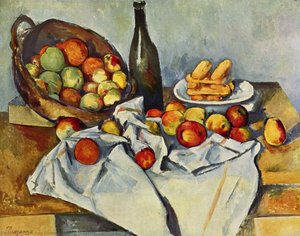
Ulje na platnuZidna umjetnostPost-Impressionism
 187519. stoljeće
 38.0 x 46.0 cm
Giclée tisak muzejske kvalitete ili otisak na platnu uz brzu proizvodnju i fleksibilne opcije završne obrade. ( Kupi ručno naslikanu sliku Kupi digitalnu sliku)





























Odaberite jednu od naših unaprijed definiranih veličina koje odgovaraju izvornim proporcijama umjetničkog djela.

Možete unijeti vlastite dimenzije kako biste umjetničko djelo prilagodili specifičnom okviru ili prostoru. Ako odabrana veličina ne odgovara proporcijama izvornog rada, izrezat ćemo dio slike ili je proširiti pomoću ogledalnog efekta ili jednobojne rubne površine. Digitalni prikaz (mockup) bit će vam poslan na odobrenje prije početka proizvodnje.
Imajte na umu da pregled na zaslonu ne odražava stvarno izrezivanje ili proširivanje. Samo će mockup točno prikazati konačnu kompoziciju.
Iako su dostupne prilagođene veličine, preporučujemo odabir dimenzije iz unaprijed definirane liste kako biste očuvali izvorne proporcije.
Dostava širom svijeta () u roku od 2 tjedna umjesto standardnih 4/5 tjedana. (12 Kolovoz)


Bathers
Veličina reprodukcije
Paul Cézanne’s “Bathers,” painted in 1875, isn’t merely a depiction of nude figures; it is an exploration of form, space, and the very essence of observation. This work, residing within the collection of the Metropolitan Museum of Art, stands as a pivotal moment in Cézanne's artistic journey, bridging the fleeting impressions of Impressionism with the nascent geometric explorations that would later define Cubism. The painting presents five women immersed in a natural setting—a riverbank or beach bathed in soft light—their bodies rendered not with photographic realism but with a deliberate simplification and structural emphasis. It’s a scene seemingly imbued with tranquility, yet beneath this surface lies a complex interplay of artistic innovation.
Cézanne began his career deeply influenced by the Impressionist movement, evident in the vibrant palette and loose brushwork initially employed. However, "Bathers" marks a departure from the purely optical concerns of artists like Monet or Renoir. While retaining a sense of atmosphere through color, Cézanne’s focus shifts inward—towards understanding the underlying structure of his subjects and their environment. He wasn't simply capturing what he *saw*, but rather attempting to represent how he *understood* it. The umbrellas scattered throughout the scene aren't just decorative elements; they serve as compositional devices, creating depth and guiding the viewer’s eye through the landscape. The presence of a bird adds a touch of naturalism, grounding the figures within their surroundings while subtly hinting at the broader world beyond.
Cézanne's technique in "Bathers" is characterized by his distinctive application of paint. He doesn’t blend colors smoothly; instead, he applies small, distinct brushstrokes that build up to create a sense of texture and volume. This method, seemingly rudimentary at first glance, is crucial to the painting’s overall effect. The planes of color interact with one another, creating subtle shifts in tone and shadow that define the forms of the women and the landscape. Notice how he uses variations in green and brown to suggest the foliage behind them, or how the blues and whites of the water shimmer with an almost palpable light. This approach anticipates the later Cubist fragmentation of form, where objects are broken down into geometric components and reassembled on the canvas.
While seemingly straightforward in its subject matter, "Bathers" carries a subtle symbolic weight. The nude figures, common in classical art, represent not just physical beauty but also an idealized connection to nature—a return to primal simplicity and harmony. Cézanne’s deliberate rendering of the women, however, avoids any overt sensuality. Instead, they appear as archetypal forms, embodiments of feminine grace rather than individual portraits. The overall mood is one of quiet contemplation; a sense of peaceful solitude pervades the scene. The painting invites viewers to pause and reflect on the beauty of the natural world and the enduring power of human form—a testament to Cézanne’s ability to transform everyday observation into profound artistic expression.
“Bathers” was initially met with mixed reactions, but its significance has grown exponentially over time. It represents a crucial turning point in art history, demonstrating Cézanne's pioneering efforts to move beyond the purely representational and towards a more conceptual understanding of form and space. His influence on subsequent generations of artists—from Matisse and Picasso to countless others—is undeniable. The painting’s enduring appeal lies not only in its aesthetic beauty but also in its ability to provoke thought and inspire new ways of seeing the world, solidifying Cézanne's place as a true visionary.
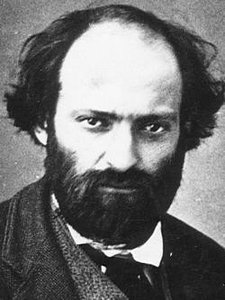
1839 - 1906 , Francuska
Uronite u svijet Paula Cézanna! Otkrijte 25 remek-djela impresionizma i postimpresionizma. Saznajte priče iza slika, tehnike i inspiracije ovog francuskog umjetnika. Reprodukcije vrhunske kvalitete dostupne na BuyPopArt.com

Uronite u svijet Paula Kleea! Otkrijte 25 remek-djela švicarskog umjetnika, od apstraktnih ekspresionizama do živopisnih boja i jedinstvenih stilova. Inspirirajte se za dekoraciju interijera s BuyPopArt.com - pronađite reprodukcije vrhunske kvalitete i uljepšajte svoj dom!

Journey through Impressionism's heart with 10 iconic paintings by Monet, Renoir & Degas. Explore light, color & the stories behind these masterpieces. Find museum-quality art reproductions and elevate your home decor on BuyPopArt.com.

Explore the profound emotional depth & innovative techniques of Post-Impressionism with BuyPopArt. Discover Cézanne, Van Gogh, Gauguin & more – and their lasting impact on modern art.

Explore the profound emotional depth & formal innovations of Post-Impressionism with our expert guide. Discover Cézanne, Van Gogh, Gauguin & more. Learn about art history, collecting, and investing in this pivotal movement.


Budite u tijeku s najnovijim umjetničkim vijestima, ekskluzivnim ponudama i idejama za dekoraciju.
Recite nam nešto o svom projektu, a naši će stručnjaci za umjetnost pripremiti 3 personalizirana prijedloga umjetnina.
Dopustite nam da odaberemo 3 opcije samo za Vas – Besplatno!


 Pregledaj u stvarnoj veličini
 Pošalji
 Podijeli
 Detalji o umjetničkom djelu

 Preuzmi
 Slični predmeti
 Rentgenska snimka
 Automatska prezentacija
 Prikaži više







 Opcija stakla dostupna je samo za dimenzije manje od 110 cm