Ulje na platnuZidna umjetnostPostimpresionizam
 190619. stoljeće
 106.0 x 90.0 cm
Giclée tisak muzejske kvalitete ili otisak na platnu uz brzu proizvodnju i fleksibilne opcije završne obrade. ( Kupi ručno naslikanu sliku Kupi digitalnu sliku)





























Odaberite jednu od naših unaprijed definiranih veličina koje odgovaraju izvornim proporcijama umjetničkog djela.

Možete unijeti vlastite dimenzije kako biste umjetničko djelo prilagodili specifičnom okviru ili prostoru. Ako odabrana veličina ne odgovara proporcijama izvornog rada, izrezat ćemo dio slike ili je proširiti pomoću ogledalnog efekta ili jednobojne rubne površine. Digitalni prikaz (mockup) bit će vam poslan na odobrenje prije početka proizvodnje.
Imajte na umu da pregled na zaslonu ne odražava stvarno izrezivanje ili proširivanje. Samo će mockup točno prikazati konačnu kompoziciju.
Iako su dostupne prilagođene veličine, preporučujemo odabir dimenzije iz unaprijed definirane liste kako biste očuvali izvorne proporcije.
Dostava širom svijeta () u roku od 2 tjedna umjesto standardnih 4/5 tjedana. (18 Kolovoz)


Savrt na putu
Veličina reprodukcije
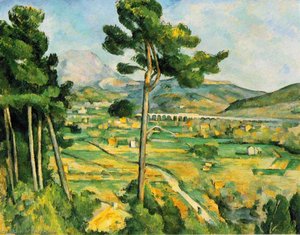
Paul Cézanne's "The Bend in the Road," painted in 1906, just before his passing, is more than a landscape; it’s an invitation. An invitation to contemplate the fundamental nature of reality itself, and to lose oneself within the quiet drama of light and form. This captivating vertical composition draws us into a serene valley, sculpted by time and weather, where a dramatic bend in the road acts as a powerful visual guide, leading the eye through a world rendered not with photographic precision, but with an intensely personal and profoundly felt response.
Cézanne’s genius lies in his ability to transcend the fleeting impressions of Impressionism. While he embraced the vibrant color palettes favored by his contemporaries – burnt orange, peach, salmon pink, cobalt blue, lime green, and spring green – he moved beyond simply capturing a momentary effect of light. Instead, he sought to reveal the underlying geometric structures that constitute the world around us. This is evident in his masterful use of visible, vertical brushstrokes, building up layers of color with an almost sculptural intensity. The strategic placement of unpainted canvas adds a remarkable lightness and emphasizes the painting’s constructed nature – a deliberate departure from mere representation.
“The Bend in the Road” stands as a pivotal work, embodying Cézanne's role as a crucial bridge between Impressionism and Cubism. While undeniably influenced by the Impressionists’ focus on light and color, he anticipated the radical deconstruction of form that would characterize the burgeoning movement of Cubism. His lifelong quest to understand and represent nature wasn’t about replicating what he saw; it was about distilling its essence – a pursuit reflected in his meticulous attention to shape and structure. The painting speaks to a desire for order within apparent chaos, a core tenet of Cézanne's artistic philosophy.
The road itself is a potent symbol, representing journeys, transitions, and the human experience. The dramatic bend invites us to consider our own paths – both physical and metaphorical. The imposing rock formations, rendered with a solidity that suggests enduring strength, could be interpreted as obstacles or challenges, while the distant, softly rounded hills evoke a sense of peace and possibility. Cézanne’s choice of color isn't accidental; it’s deeply emotive. The fiery oranges and pinks of the rocks contrast dramatically with the cool blues and greens of the valley trees, creating a harmonious balance that speaks to both warmth and tranquility. It is not a literal depiction of nature, but rather an emotional response *to* nature – a feeling of profound contemplation and connection.
Executed in oil on canvas (106 x 90 cm), “The Bend in the Road” offers a tangible connection to Cézanne’s artistic vision. The palpable texture, created by his distinctive brushwork, invites close inspection and appreciation of the meticulous detail involved. This artwork would be an exceptional addition to any collection, offering not only aesthetic pleasure but also a significant piece of art history. For interior designers seeking to infuse a space with sophistication and intellectual depth, this painting – or a high-quality reproduction – is ideally suited for hallways, entryways, or above fireplaces, adding energy and a touch of timeless elegance.
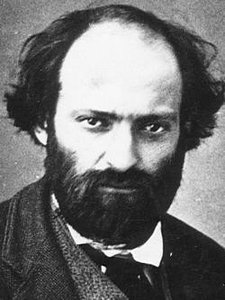
1839 - 1906 , Francuska

Explore the profound evolution of art from Impressionism to Post-Impressionism. Discover how masters like Van Gogh revolutionized color and emotion, shaping modern art history through structural innovation and expressive technique.


Budite u tijeku s najnovijim umjetničkim vijestima, ekskluzivnim ponudama i idejama za dekoraciju.
Recite nam nešto o svom projektu, a naši će stručnjaci za umjetnost pripremiti 3 personalizirana prijedloga umjetnina.
Dopustite nam da odaberemo 3 opcije samo za Vas – Besplatno!


 Pregledaj u stvarnoj veličini
 Pošalji
 Podijeli
 Detalji o umjetničkom djelu

 Preuzmi
 Slični predmeti
 Rentgenska snimka
 Automatska prezentacija
 Prikaži više







 Opcija stakla dostupna je samo za dimenzije manje od 110 cm