

 38.0 x 45.0 cm
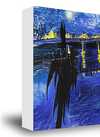
Ručno oslikano uljanim bojama na platnu u dimenzijama i okviru po vašem izboru, izrađeno po narudžbi od strane naših umjetnika. ( Pređi na tisak Prebacite na sliku)
Odaberite jednu od naših unaprijed definiranih veličina koje odgovaraju izvornim proporcijama umjetničkog djela.

Možete unijeti vlastite dimenzije kako bi odgovarale određenom okviru ili prostoru. Ako odabrana veličina ne odgovara proporcijama izvorne slike, izrezat ćemo umjetničko djelo ili proširiti sliku dodatnim ručno oslikanim elementima. Digitalni nacrt bit će vam poslan na odobrenje prije početka proizvodnje.
Imajte na umu da pregled na ekranu ne prikazuje stvarno izrezivanje ili proširivanje. Samo će nacrt točno prikazati konačni sastav.
Iako su dostupne prilagođene veličine, preporučujemo odabir dimenzije s preddefiniranog popisa kako bismo očuvali izvorne proporcije.
Isporuka širom svijeta () u roku od 3-4 tjedna umjesto standardnih 5 tjedana. (31 Srpanj). Bez kompromisa u kvaliteti.


Mountains
Veličina reprodukcije
Robert Ernest McEune (1876-1952) was a largely unsung British artist whose career spanned nearly half a century, marked by a consistent dedication to capturing the serene beauty of the English countryside and offering intimate portraits of his subjects. Though he never achieved widespread fame during his lifetime, his work—primarily oil paintings and watercolours—now resides in public collections across Britain, revealing a subtle yet compelling artistic voice deeply rooted in the traditions of academic art while possessing a distinctly personal sensibility.
Born in Gateshead, County Durham, in 1876, McEune’s early life was shaped by his family's modest circumstances. His father, Robert McEune, a grocer, faced financial difficulties and declared bankruptcy in 1881, an event that likely influenced the young artist’s pragmatic approach to his profession. Despite this challenging beginning, McEune pursued artistic training at the Gateshead School of Art and later at Kings College, Newcastle, honing his skills in various mediums. He initially worked as a clerk for a local coal company, balancing his art with the demands of a working life – a pattern that would continue throughout much of his career.
McEune’s artistic development is particularly notable through his work for Milner & Co., a prominent Halifax publishing house specializing in affordable children's books. From around 1900 until the early 1920s, he illustrated numerous titles, including adaptations of classic stories like *Alice’s Adventures in Wonderland* and *Tom Brown’s Schooldays*. These illustrations, characterized by their detailed realism and subtle tonal variations, demonstrate a mastery of watercolour techniques and a keen eye for capturing human character. While the exact dates of these commissions remain somewhat elusive, they represent a crucial period in McEune's artistic journey, providing him with valuable experience and exposure.
Following his retirement from employment, McEune settled in Penrith, Cumberland, where he continued to paint prolifically. He also took on the role of art teacher at Newcastle’s Royal Grammar School, sharing his knowledge and passion with a new generation of artists. His later works often focused on landscapes – particularly scenes from Northumberland – rendered with a quiet dignity and an appreciation for the subtle shifts in light and colour. These paintings reflect a mature artistic perspective, imbued with a sense of peace and contemplation. McEune’s style evolved over time, moving away from the more illustrative techniques of his earlier work towards a greater emphasis on capturing atmospheric effects and conveying mood through brushwork.
McEune's oeuvre is remarkably diverse, encompassing landscapes, portraits, still lifes, and studies of plaster busts. His landscape paintings are particularly noteworthy for their ability to evoke the tranquility of the English countryside. Works like “Cottage Lane in Winter” and “The Thames at Windsor” capture the essence of rural life with a delicate sensitivity, revealing an intimate understanding of light, texture, and composition. His portraits, often characterized by their understated realism and psychological depth, offer glimpses into the lives of ordinary people – fishermen mending lobster pots, old men, and young boys.
The Shipley Art Gallery in Newcastle holds a significant collection of McEune’s work, including several key pieces that exemplify his artistic style. These paintings—ranging from intimate studies to expansive landscapes—provide valuable insights into the artist's creative process and his enduring fascination with the beauty of the British Isles. The gallery’s holdings also include numerous watercolours, showcasing McEune’s versatility and his ability to capture fleeting moments of light and colour.
McEune’s artistic style is best described as a blend of academic tradition and personal observation. He was undoubtedly influenced by the prevailing artistic conventions of his time, particularly the emphasis on realism and meticulous detail that characterized much of 19th-century British art. However, he also possessed a distinctive sensibility—a quietness and restraint that set him apart from more flamboyant or expressive artists. His use of muted tones, subtle brushwork, and careful attention to detail create paintings that are both visually appealing and emotionally resonant.
The artist’s work can be seen as a reflection of the broader cultural context in which he lived—a period of social change and artistic experimentation. While McEune never actively engaged with avant-garde movements, his paintings nonetheless embody a sense of quiet dignity and understated beauty that resonated with many viewers during his lifetime.
Despite his relative obscurity during his lifetime, Robert Ernest McEune’s work has gained increasing recognition in recent years. His paintings are now appreciated for their quiet charm, technical skill, and subtle emotional depth. McEune's contribution to British art lies not in groundbreaking innovation but rather in his consistent dedication to capturing the beauty of everyday life and offering intimate portraits of a bygone era.
His work serves as a reminder that artistic excellence can be found in unexpected places—in the hands of artists who quietly pursued their craft with passion and integrity. The collection held by the Shipley Art Gallery, along with other public collections across Britain, ensures that McEune’s legacy will continue to inspire and delight future generations of art lovers.

1876 - 1952


Budite u tijeku s najnovijim umjetničkim vijestima, ekskluzivnim ponudama i idejama za dekoraciju.
Recite nam nešto o svom projektu, a naši će stručnjaci za umjetnost pripremiti 3 personalizirana prijedloga umjetnina.
Dopustite nam da odaberemo 3 opcije samo za Vas – Besplatno!


 Pregledaj u stvarnoj veličini
 Pošalji
 Podijeli
 Detalji o umjetničkom djelu

 Preuzmi
 Slični predmeti
 Rentgenska snimka
 Automatska prezentacija
 Prikaži više
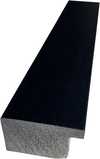
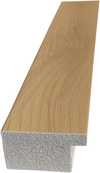
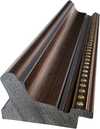
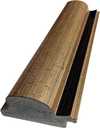
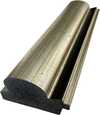
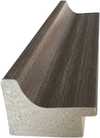
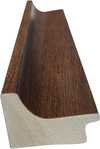
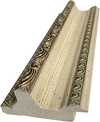
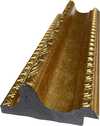
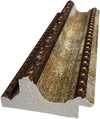
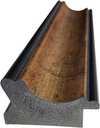
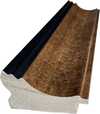
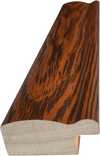
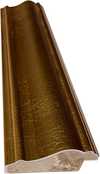
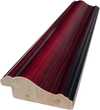
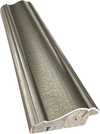
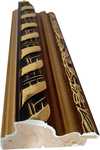
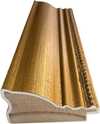
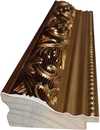
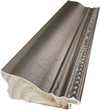
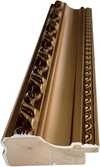
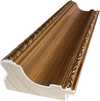
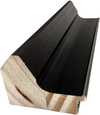
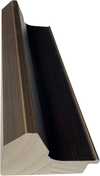
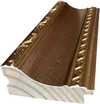
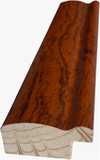
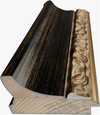
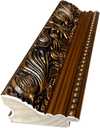
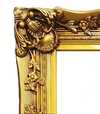
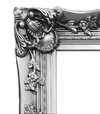
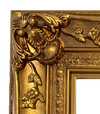
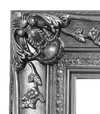
 Opcija stakla dostupna je samo za dimenzije manje od 110 cm


