

 Ulje na paneluEarly Netherlandish Renaissance
 1441Kasno srednjovjekovni period
 Kraljevski muzeji za lijepu umjetnost Belgije
Giclée tisak muzejske kvalitete ili otisak na platnu uz brzu proizvodnju i fleksibilne opcije završne obrade. ( Kupi ručno naslikanu sliku Kupi digitalnu sliku)





























Odaberite jednu od naših unaprijed definiranih veličina koje odgovaraju izvornim proporcijama umjetničkog djela.

Možete unijeti vlastite dimenzije kako biste umjetničko djelo prilagodili specifičnom okviru ili prostoru. Ako odabrana veličina ne odgovara proporcijama izvornog rada, izrezat ćemo dio slike ili je proširiti pomoću ogledalnog efekta ili jednobojne rubne površine. Digitalni prikaz (mockup) bit će vam poslan na odobrenje prije početka proizvodnje.
Imajte na umu da pregled na zaslonu ne odražava stvarno izrezivanje ili proširivanje. Samo će mockup točno prikazati konačnu kompoziciju.
Iako su dostupne prilagođene veličine, preporučujemo odabir dimenzije iz unaprijed definirane liste kako biste očuvali izvorne proporcije.
Dostava širom svijeta () u roku od 2 tjedna umjesto standardnih 4/5 tjedana. (15 Kolovoz)


Pietà
Veličina reprodukcije
In the quiet corridors of the Royal Museums of Fine Arts in Brussels, there exists a window into the profoundest depths of human grief and divine compassion. Rogier van der Weyden’s Pietà, completed around 1441, is not merely a painting; it is a visceral experience that transcends the boundaries of time. At its heart, the work captures the devastating moment of the Lamentation, where the Virgin Mary cradles the lifeless, broken body of her son, Jesus Christ. The composition is a masterclass in emotional gravity, drawing the viewer into a sacred space where the weight of mortality meets the hope of redemption. Through his revolutionary use of oil on wood panel, Van der Weyden achieves a luminous clarity that allows the textures of cold flesh, heavy drapery, and weathered stone to breathe with an almost startling vitality.
The technical brilliance of this Early Netherlandish masterpiece lies in its meticulous realism, a departure from the more rigid Gothic traditions of the past. Van der Weyden, who likely began his journey as a goldsmith, brought a jeweler's precision to the canvas. Every fold of Mary’s mantle and every subtle shift in the pallor of Christ’s skin is rendered with an exacting devotion to detail. This level of craftsmanship does more than showcase skill; it serves a higher purpose. The artist uses light and shadow to sculpt the figures, creating a three-dimensional presence that invites the observer to witness the scene as if standing within the very shadows of Golgotha. For the collector or lover of fine art, this painting represents the pinnacle of technical mastery, where every brushstroke is an act of devotion.
Beyond its striking visual beauty, the Pietà is a dense tapestry of theological symbolism designed to provoke deep spiritual contemplation. Every element within the frame serves as a silent sermon. Beneath Christ’s feet, the presence of a skull acts as a poignant memento mori, a stark reminder of death and the biblical legacy of Adam’s fall. This connection between the first man and the Savior underscores the theme of universal suffering and the promise of grace. Even the landscape itself participates in this narrative; the withered, skeletal trees flanking the central figures symbolize the desolation brought about by sin, yet they stand as silent witnesses to the transformative power of the sacrifice being depicted.
The emotional architecture of the piece is further enriched by the inclusion of secondary figures, such as John the Evangelist, whose presence provides a human connection to the divine tragedy. The interplay between the characters—the way Mary presses her cheek against her son’s limp head—creates a rhythmic movement of sorrow that guides the eye through the composition. For those seeking to bring a sense of profound history and contemplative peace into a curated space, this work offers an unparalleled depth. It is a piece that does not merely decorate a room but transforms it, providing a focal point for reflection on the enduring human condition and the timeless beauty of classical devotion.
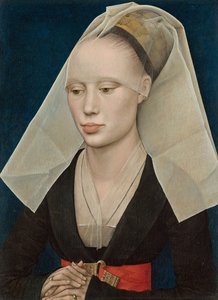
1400 - 1464 , Belgija

Journey into the Early Netherlandish Renaissance! Explore 10 iconic paintings by Jan van Eyck, Rogier van der Weyden & more. Discover stunning detail, symbolism, and oil painting techniques. Find museum-quality art reproductions for your home at BuyPopArt.com.

Uronite u svijet Vincenta van Gogha! Otkrijte 25 remek-djela, priče iza slika poput 'Sunokreta' i 'Noćne zvijezde', te inspirirajte se za dekoraciju doma. Kvalitetne umjetničke reprodukcije na BuyPopArt.com.

Journey into the world of Early Netherlandish painting! Explore 10 masterpieces by Jan van Eyck, Rogier van der Weyden & more. Discover stunning detail, symbolism & Renaissance art for your home decor. Find museum-quality reproductions on BuyPopArt.com

Explore the revolutionary art of Rogier van der Weyden, a pivotal figure of the Early Netherlandish Renaissance. Discover his emotional realism, innovative compositions, and lasting impact on painting history.

Explore the revolutionary art of Hugo van der Goes – a master of Early Netherlandish painting renowned for his dramatic realism, psychological depth & profound influence on Renaissance artists. Discover his iconic works and lasting legacy.


Budite u tijeku s najnovijim umjetničkim vijestima, ekskluzivnim ponudama i idejama za dekoraciju.
Recite nam nešto o svom projektu, a naši će stručnjaci za umjetnost pripremiti 3 personalizirana prijedloga umjetnina.
Dopustite nam da odaberemo 3 opcije samo za Vas – Besplatno!


 Pregledaj u stvarnoj veličini
 Pošalji
 Podijeli
 Detalji o umjetničkom djelu

 Preuzmi
 Slični predmeti
 Rentgenska snimka
 Automatska prezentacija
 Prikaži više







 Opcija stakla dostupna je samo za dimenzije manje od 110 cm


