Giclée tisak muzejske kvalitete ili otisak na platnu uz brzu proizvodnju i fleksibilne opcije završne obrade. ( Prebacite se na ručno oslikano djelo Prebacite na sliku)





























Odaberite jednu od naših unaprijed definiranih veličina koje odgovaraju izvornim proporcijama umjetničkog djela.

Možete unijeti vlastite dimenzije kako biste umjetničko djelo prilagodili specifičnom okviru ili prostoru. Ako odabrana veličina ne odgovara proporcijama izvornog rada, izrezat ćemo dio slike ili je proširiti pomoću ogledalnog efekta ili jednobojne rubne površine. Digitalni prikaz (mockup) bit će vam poslan na odobrenje prije početka proizvodnje.
Imajte na umu da pregled na zaslonu ne odražava stvarno izrezivanje ili proširivanje. Samo će mockup točno prikazati konačnu kompoziciju.
Iako su dostupne prilagođene veličine, preporučujemo odabir dimenzije iz unaprijed definirane liste kako biste očuvali izvorne proporcije.
Dostava širom svijeta () u roku od 2 tjedna umjesto standardnih 4/5 tjedana. (11 Kolovoz)


San
Veličina reprodukcije
Salvador Dalí's 1931 painting, ‘The Dream,’ is not merely an image; it’s a descent into the labyrinthine world of the subconscious. The work embodies the core tenets of Surrealism, a movement dedicated to unlocking the creative potential of dreams and irrationality. At first glance, the composition presents a reclining female figure, her form both alluring and unsettling. Her downward gaze and parted lips suggest a vulnerability bordering on distress, as if she is caught in the throes of a particularly vivid – or perhaps disturbing – dream state. The painting’s power lies not in what is explicitly depicted, but in the evocative atmosphere it creates, a sense of unease and psychological tension that draws the viewer into its enigmatic embrace.
Dalí was deeply influenced by the psychoanalytic theories of Sigmund Freud, and ‘The Dream’ serves as a visual manifestation of those ideas. The painting is rich with symbolic imagery, each element carefully chosen to represent hidden desires, anxieties, and repressed memories. Notice the ants crawling across the face of the central figure – a recurring motif in Dalí's work symbolizing decay, death, and an almost obsessive preoccupation with mortality. The presence of two cigarettes, one centrally placed and another towards the right, adds a layer of complexity; they could represent fleeting pleasures, anxieties, or even phallic symbols within the Freudian framework. Further enriching the symbolic landscape is the figure in the background, reminiscent of Oedipus, referencing the classical myth of patricide and incest – themes Freud explored extensively. The column sprouting into a bust suggests the imposing presence of the father figure, representing societal constraints and internal conflicts.
Dalí’s technical mastery is undeniable in ‘The Dream.’ He employed a meticulous, almost photographic realism to render his fantastical visions. This precise technique heightens the unsettling effect of the imagery; the dreamlike quality isn't achieved through loose brushwork or abstraction, but rather through the hyper-realistic depiction of impossible scenarios. The smooth surfaces and dramatic lighting contribute to the painting’s theatricality, drawing attention to each carefully placed detail. This juxtaposition of precise execution with irrational subject matter is a hallmark of Surrealism, aiming to shock the viewer into a new awareness of their own subconscious mind. Dalí wasn't interested in simply *representing* dreams; he wanted to *create* them on canvas, offering viewers a glimpse into the hidden landscapes of the psyche.
‘The Dream’ emerged during the height of Surrealist fervor—a period marked by experimentation with unconventional artistic methods and a rejection of rational thought. Dalí's work aligns perfectly with the movement’s core principles, which sought to liberate art from the constraints of logic and reason. Surrealists believed that dreams held access to deeper truths about human consciousness, and they endeavored to capture these elusive visions on canvas. The painting reflects the broader intellectual climate of the time—a fascination with psychoanalysis and a desire to explore the hidden recesses of the mind.
'The Dream' continues to captivate audiences today due to its profound emotional impact. Its unsettling imagery confronts viewers with anxieties about mortality, sexuality, and identity – themes that resonate powerfully across cultures and generations. Owning a high-quality reproduction of this masterpiece isn’t merely acquiring an aesthetically pleasing artwork; it’s engaging with a seminal piece of Surrealist art history—a testament to Dalí's genius and the enduring allure of exploring the subconscious.
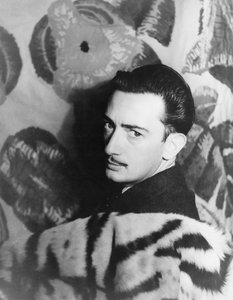
1904 - 1989 , Španjolska

Explore the captivating world of mystical art with BuyPopArt. Discover the emotional resonance & hidden symbolism in masterpieces by De Chirico, Chagall & more. Expert insights for discerning collectors.
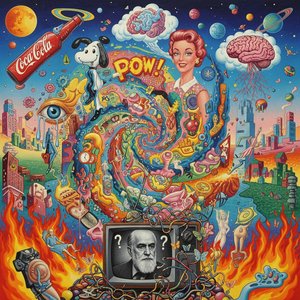
Explore the captivating world of Pop Surrealism with BuyPopArt. Discover key artists like George Condo & Robert Williams, investment potential, and the movement's cultural impact. Expert insights for collectors.
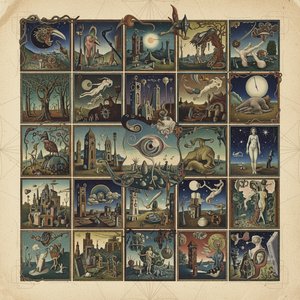
Uronite u svijet nadrealizma s 25 remek-djela Maxa Ernsta! Otkrijte priče iza ikonskih slika, tehnike i inspiraciju ovog umjetnika. Reprodukcije vrhunske kvalitete za vaš dom na BuyPopArt.com.

Discover how AI transforms your photos into stunning surrealist masterpieces inspired by Dalí. Explore the art of dreamlike creation with expert guidance and museum-quality reproductions. Commission a unique artwork today!

Naručite unikatnu uljanu sliku izrađenu po vašoj viziji! Stručni umjetnici, vrhunska kvaliteta i personalizirani pristup. Tkajte osobne mitove u trajna djela s BuyPopArt.com.


Budite u tijeku s najnovijim umjetničkim vijestima, ekskluzivnim ponudama i idejama za dekoraciju.
Recite nam nešto o svom projektu, a naši će stručnjaci za umjetnost pripremiti 3 personalizirana prijedloga umjetnina.
Dopustite nam da odaberemo 3 opcije samo za Vas – Besplatno!


 Pregledaj u stvarnoj veličini
 Pošalji
 Podijeli
 Detalji o umjetničkom djelu

 Preuzmi
 Slični predmeti
 Rentgenska snimka
 Automatska prezentacija

 Prikaži više







 Opcija stakla dostupna je samo za dimenzije manje od 110 cm