

 Acrylic On CanvasWallArtCapitalist Realism
 1968
1968 60.0 x 50.0 cm
 Fundacija Serralves
Kupite digitalnu sliku visoke rezolucije i poboljšane kvalitete, koja je znatno superiornija od online prikaza.
Svaka datoteka pedantno je pripremljena od strane naših internih stručnjaka koristeći napredne alate i vještinsku ručnu retušu. Osiguravamo da svaka slika ima iznimnu jasnoću, preciznu točnost boja i visoku razinu detalja.
Konačna datoteka dostavlja se putem e-pošte u roku od 72 sata, optimizirana za neposrednu upotrebu u profesionalnim, uredničkim i tiskarskim okruženjima. To je ista kvaliteta kojoj vjeruju vrhunski studiji dizajna, izdavači i galerije.
Preuzmite datoteku visoke rezolucije za osobnu izložbu, tisak i kreativne projekte. ( Kupi print Kupi ručno naslikanu sliku)
Odabirom BuyPopArt.com ne dobivate samo sliku – dobivate profesionalno unapređeno digitalno umjetničko djelo, izrađeno s najvećom preciznošću uz jamstvo zadovoljstva. Evo svega što automatski dolazi uz vašu narudžbu:

Vaša digitalna slika visoke rezolucije bit će vam poslana e-mailom u roku od 72 sata od narudžbe – spremna za neposrednu upotrebu.

Vaše umjetničko djelo profesionalno je optimizirano pomoću naprednih AI alata i ručnog uređivanja, čime se osigurava maksimalna razina detalja, oštrine i točnosti boja.

Slučajno ste obrisali ili izgubili svoju datoteku? Ne brinite – ponovno ćemo vam je poslati u bilo kojem trenutku, potpuno besplatno.

Uživajte u svojim umjetničkim djelima trenutno, bez carina, pristojbi ili troškova dostave – digitalne datoteke uvijek su oslobođene poreza.

Uz pomoć profesionalnih alata i upravljanja bojama, osiguravamo da vaša digitalna slika što vjernije odražava izvorne boje.

Ako niste zadovoljni svojom digitalnom slikom, revidirat ćemo je ili vratiti 100% novca u roku od 60 dana – bez ikakvih pitanja.

Niste zadovoljni? Osigurajte puni povrat novca u roku od 60 dana od primitka vaše digitalne datoteke – bez suvišnih pitanja.

Kupite 3 slike, uštedite 10% - Kupite 5 slika, uštedite 15% - Kupite 10+ slika, uštedite 20%. Odlično za kreativne projekte, galerije i agencije.
Sigmar Polke's "Sem título" (1968), a deceptively simple grid of black and white photographs, is far more than just a collection of meticulously arranged objects. It’s a profound exploration of memory, displacement, and the inherent instability of visual perception – themes deeply rooted in the artist’s own turbulent personal history. Born in Poland amidst the upheaval of World War II and subsequently forced to flee to Germany as a child, Polke carried with him an indelible awareness of precariousness and the fragmented nature of identity. This photograph, executed during a pivotal period of artistic experimentation in Düsseldorf, embodies this sensibility through its stark austerity and deliberate reduction of visual information.
The photographs themselves depict a series of still lifes – commonplace objects like furniture fragments, cutlery, and small decorative items – presented against uniformly neutral backgrounds. The compositions are remarkably geometric, emphasizing the inherent shapes and forms of each element. There’s an almost clinical precision to their arrangement, yet this formality is immediately undercut by the deliberate use of shadow and light. Polke masterfully employs a consistent lighting scheme that casts deep, dramatic shadows, lending a sense of weight and solidity to the seemingly mundane subjects. The perspective is frontal and straightforward, eschewing any illusionistic depth or attempt at creating a convincing three-dimensional space. This flattening effect reinforces the photograph’s conceptual core – it's not about depicting reality, but rather about distilling it down to its essential components.
“Sem título” is inextricably linked to Polke’s influential movement, “Kapitalistischer Realismus,” which he co-founded with Gerhard Richter and Konrad Fischer (alias Konrad Lueg) in the early 1960s. This artistic stance rejected the prevailing avant-garde trends of the time, rejecting both abstract expressionism and socialist realism. Instead, it embraced a deliberately uninspired, almost banal style of imagery – mimicking the aesthetic conventions of advertising, mass media, and consumer culture. Polke’s work in this period reflects this ethos; the photographs are devoid of any overt emotionality or artistic pretension, mirroring the detached, repetitive visuals found in commercial art. This deliberate lack of stylistic flourish serves to highlight the inherent artificiality of representation itself, prompting viewers to question how we perceive and interpret images.
The technical execution of “Sem título” is as significant as its conceptual content. Polke’s approach involved a careful balance between control and chance. He utilized a Rollei camera, meticulously framing each composition before capturing the image. However, the subsequent printing process introduced an element of unpredictability. Polke experimented with techniques such as chemical staining and manipulation of negatives and positives, creating layered images that defy simple categorization. The photographs are not simply reproductions of the original arrangements; they’re transformed through a complex interplay of light, shadow, and photographic chemistry. This deliberate blurring of boundaries between photography and painting reflects Polke's broader interest in exploring the limits of both mediums.
Despite its apparent simplicity, “Sem título” is rich with symbolic meaning. The arrangement of objects – seemingly ordinary items elevated to a sculptural form – can be interpreted as a meditation on memory and loss. The starkness of the black and white palette evokes a sense of melancholy and detachment, mirroring Polke’s own experience of displacement and exile. The photographs subtly suggest a feeling of fragmentation and instability, reflecting the artist's awareness of the precariousness of identity in a rapidly changing world. Ultimately, “Sem título” is not merely a visual record; it’s an evocative exploration of the human condition – a poignant reminder of the enduring power of memory and the complexities of perception.
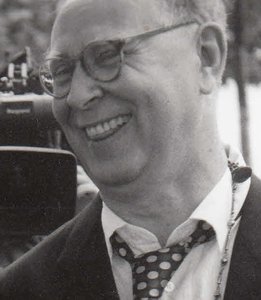
1941 - 2010 , Poljska


Budite u tijeku s najnovijim umjetničkim vijestima, ekskluzivnim ponudama i idejama za dekoraciju.
Recite nam nešto o svom projektu, a naši će stručnjaci za umjetnost pripremiti 3 personalizirana prijedloga umjetnina.
Dopustite nam da odaberemo 3 opcije samo za Vas – Besplatno!


 Pregledaj u stvarnoj veličini
 Pošalji
 Podijeli
 Detalji o umjetničkom djelu

 Preuzmi
 Slični predmeti
 Rentgenska snimka
 Automatska prezentacija
 Prikaži više


