

 Acrylic On CanvasWallArtContemporary Realism
 1965
1965 29.0 x 21.0 cm
 Fundacija Serralves
Ručno oslikano uljanim bojama na platnu u dimenzijama i okviru po vašem izboru, izrađeno po narudžbi od strane naših umjetnika. ( Kupi print Kupi digitalnu sliku)





























Odaberite jednu od naših unaprijed definiranih veličina koje odgovaraju izvornim proporcijama umjetničkog djela.

Možete unijeti vlastite dimenzije kako bi odgovarale određenom okviru ili prostoru. Ako odabrana veličina ne odgovara proporcijama izvorne slike, izrezat ćemo umjetničko djelo ili proširiti sliku dodatnim ručno oslikanim elementima. Digitalni nacrt bit će vam poslan na odobrenje prije početka proizvodnje.
Imajte na umu da pregled na ekranu ne prikazuje stvarno izrezivanje ili proširivanje. Samo će nacrt točno prikazati konačni sastav.
Iako su dostupne prilagođene veličine, preporučujemo odabir dimenzije s preddefiniranog popisa kako bismo očuvali izvorne proporcije.
Isporuka širom svijeta () u roku od 3-4 tjedna umjesto standardnih 5 tjedana. (15 Kolovoz). Bez kompromisa u kvaliteti.


Sem título
Veličina reprodukcije
Sigmar Polke’s “Sem título,” created in 1968, stands as an arresting testament to the burgeoning aesthetic of capitalist realism—a movement that sought to depict everyday life with unflinching honesty, mirroring the visual language of advertising and documentary filmmaking. More than just a photographic collage, it's a carefully constructed puzzle designed to challenge our assumptions about how we perceive the world around us.
The artwork itself comprises a grid of black and white photographs meticulously arranged on canvas. Each image depicts seemingly banal objects—a lemon, a pear, a piece of fruit—presented in starkly lit studio conditions. These aren’t idealized representations; they are rendered with a deliberate lack of polish, capturing the subtle imperfections inherent in natural forms. This technique deliberately rejects the romanticism prevalent in earlier artistic movements and embraces instead the cold precision demanded by the emerging economic order.
Polke’s masterful manipulation of photographic emulsion is crucial to understanding the piece's impact. He employed a process known as “photogram,” where he placed objects directly onto photographic paper coated with light-sensitive chemicals—without any camera involved. This method captures an imprint of the object’s surface texture and tonal variations, resulting in images that appear almost ghostly, devoid of traditional perspective or depth.
The choice of black and white contributes significantly to the artwork's mood. It eliminates color distractions, forcing viewers to focus on form and texture—elements Polke skillfully exploits to convey a sense of quiet contemplation. The canvas itself is treated with a matte varnish, further diffusing light and enhancing the subtle nuances of grayscale.
“Sem título” emerged during a period of profound societal transformation in Germany following the Second World War. Capitalism was rapidly gaining dominance, reshaping cultural landscapes and influencing artistic sensibilities. Polke’s work directly confronts this shift by presenting familiar subjects—fruit—in a manner that simultaneously celebrates and interrogates their materiality. It's a subtle critique of consumer culture, questioning whether we truly see what is before us or if our perceptions are shaped by preconceived notions.
The grid format reinforces this conceptual framework. By juxtaposing multiple images side-by-side, Polke disrupts any easy narrative flow and compels the viewer to actively engage in interpreting the visual information presented. This deliberate fragmentation mirrors the complexities of modern experience—the way in which our understanding of reality is constantly mediated by external forces.
Despite its intellectual rigor, “Sem título” possesses a remarkable emotional resonance. The stillness of the images—captured without movement—invites viewers to slow down and consider their own gaze. There’s an unspoken invitation to observe closely, to appreciate the subtle beauty hidden within seemingly ordinary objects.
Ultimately, Polke's “Sem título” transcends mere representation; it becomes a meditation on perception itself. It reminds us that what we see is not simply what exists but rather how our minds interpret and process sensory input—a profound statement about the human condition that continues to resonate with audiences today.
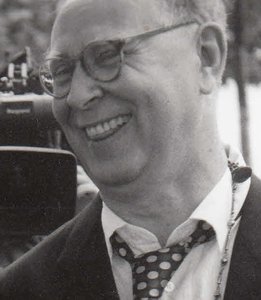
1941 - 2010 , Poljska

Discover why black & white photography remains a powerful force in contemporary art. Explore the impact of light, shadow, and texture through a visual journey of monochrome mastery and learn how to elevate your space with timeless grayscale aesthetics.


Budite u tijeku s najnovijim umjetničkim vijestima, ekskluzivnim ponudama i idejama za dekoraciju.
Recite nam nešto o svom projektu, a naši će stručnjaci za umjetnost pripremiti 3 personalizirana prijedloga umjetnina.
Dopustite nam da odaberemo 3 opcije samo za Vas – Besplatno!


 Pregledaj u stvarnoj veličini
 Pošalji
 Podijeli
 Detalji o umjetničkom djelu

 Preuzmi
 Slični predmeti
 Rentgenska snimka
 Automatska prezentacija
 Prikaži više







 Opcija stakla dostupna je samo za dimenzije manje od 110 cm


