

 Oil On CanvasWallArtPre-Raphaelite Brotherhood
 1851
1851 49.0 x 59.0 cm
 Tate Britain
Ručno oslikano uljanim bojama na platnu u dimenzijama i okviru po vašem izboru, izrađeno po narudžbi od strane naših umjetnika. ( Pređi na tisak Prebacite na sliku)





























Odaberite jednu od naših unaprijed definiranih veličina koje odgovaraju izvornim proporcijama umjetničkog djela.

Možete unijeti vlastite dimenzije kako bi odgovarale određenom okviru ili prostoru. Ako odabrana veličina ne odgovara proporcijama izvorne slike, izrezat ćemo umjetničko djelo ili proširiti sliku dodatnim ručno oslikanim elementima. Digitalni nacrt bit će vam poslan na odobrenje prije početka proizvodnje.
Imajte na umu da pregled na ekranu ne prikazuje stvarno izrezivanje ili proširivanje. Samo će nacrt točno prikazati konačni sastav.
Iako su dostupne prilagođene veličine, preporučujemo odabir dimenzije s preddefiniranog popisa kako bismo očuvali izvorne proporcije.
Isporuka širom svijeta () u roku od 3-4 tjedna umjesto standardnih 5 tjedana. (3 Kolovoz). Bez kompromisa u kvaliteti.


Mariana
Veličina reprodukcije
John Everett Millais’s “Mariana,” painted in 1851, isn't merely a portrait; it’s an exquisitely rendered distillation of Victorian melancholy and the quiet desperation of a woman caught between longing and resignation. The painting immediately draws the viewer into a small, intimate chamber, dominated by a figure draped in a luminous blue gown – a color that simultaneously suggests both serenity and profound sadness. This isn't a scene of dramatic action or vibrant celebration; instead, Millais masterfully captures a moment of suspended animation, a pregnant pause within a life seemingly defined by waiting.
The subject, identified as Mariana from Shakespeare’s “Measure for Measure,” is positioned near a window adorned with stained glass panels depicting the Annunciation. This subtle detail introduces a layer of religious symbolism – the promise of divine grace juxtaposed against the woman's earthly sorrow. Her posture, with one hand resting on her hip and the other supporting a table laden with wine glasses and a vase, speaks volumes about her state of mind: poised between activity and inertia, engagement and detachment. The carefully arranged objects around her—the embroidery hoop, the fallen leaves, the scattered fruit – contribute to a sense of domesticity tinged with decay and loss.
Millais’s technical skill is breathtakingly evident in every brushstroke. He employed the Pre-Raphaelite style—a movement characterized by an obsessive attention to detail, a reverence for nature, and a rejection of academic conventions—to create an image that feels both hyperrealistic and intensely emotional. The embroidery itself is rendered with astonishing precision, each stitch painstakingly depicted, inviting the viewer to contemplate the labor and perhaps the loneliness associated with such meticulous work. The use of light is particularly noteworthy; it’s diffused and soft, bathing the scene in a melancholic glow that enhances the painting's overall mood.
“Mariana” is rich in symbolic meaning, reflecting the anxieties and sensibilities of Victorian society. The woman’s posture—stretching her back, seemingly burdened by an unseen weight—represents the constraints placed upon women during that era. Her gaze towards the window, a space offering both beauty and distance, symbolizes her yearning for something beyond her immediate circumstances. The fallen leaves suggest the passage of time and the inevitability of loss, while the stained-glass windows hint at a spiritual longing that remains unfulfilled.
Furthermore, the reference to Tennyson’s poem adds another layer of interpretation. Mariana's story is one of abandonment and despair, yet Millais transforms this tragic narrative into a poignant meditation on beauty, solitude, and the enduring power of human emotion. The painting isn’t simply about a woman in distress; it’s about the universal experience of longing—a feeling that transcends time and circumstance.
“Mariana” remains one of Millais's most celebrated works, captivating viewers with its haunting beauty and profound emotional resonance. It stands as a testament to the Pre-Raphaelite movement’s commitment to capturing the complexities of human experience—a poignant reminder that even in moments of quiet solitude, the heart can still ache with longing and unfulfilled desires. Reproductions of this masterpiece offer an opportunity to bring its evocative atmosphere into any space, serving as both a work of art and a window into the soul.

1829 - 1896 , Ujedinjeno Kraljevstvo

Uronite u svijet Dantea Gabriela Rossettija! Otkrijte 25 remek-djela Pre-Raphaelita, njihove priče i inspiraciju. Reprodukcije slika vrhunske kvalitete za vaš dom dostupne na BuyPopArt.com. Ekskluzivna kolekcija online!

Explore the revolutionary art of Sir John Everett Millais & the Pre-Raphaelite Brotherhood. Discover their radical realism, symbolic narratives, and lasting impact on Victorian aesthetics. A deep dive into 19th-century masterpieces.

Uronite u svijet Claude Moneta s 25 najpoznatijih remek-djela impresionizma. Otkrijte priče iza slika, tehnike i inspiraciju ovog francuskog umjetnika. Kupite visokokvalitetne reprodukcije na BuyPopArt.com i uljepšajte svoj dom!

Explore the captivating world of Edmund Blair Leighton, Victorian master of romantic narrative painting. Discover his iconic works & Pre-Raphaelite influences at BuyPopArt.
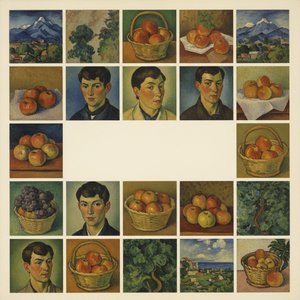
Uronite u svijet Paula Cézanna! Otkrijte 25 remek-djela impresionizma i postimpresionizma. Saznajte priče iza slika, tehnike i inspiracije ovog francuskog umjetnika. Reprodukcije vrhunske kvalitete dostupne na BuyPopArt.com


Budite u tijeku s najnovijim umjetničkim vijestima, ekskluzivnim ponudama i idejama za dekoraciju.
Recite nam nešto o svom projektu, a naši će stručnjaci za umjetnost pripremiti 3 personalizirana prijedloga umjetnina.
Dopustite nam da odaberemo 3 opcije samo za Vas – Besplatno!


 Pregledaj u stvarnoj veličini
 Pošalji
 Podijeli
 Detalji o umjetničkom djelu

 Preuzmi
 Slični predmeti
 Rentgenska snimka
 Automatska prezentacija
 Prikaži više







 Opcija stakla dostupna je samo za dimenzije manje od 110 cm


