

Giclée tisak muzejske kvalitete ili otisak na platnu uz brzu proizvodnju i fleksibilne opcije završne obrade. ( Prebacite se na ručno oslikano djelo Prebacite na sliku)





























Odaberite jednu od naših unaprijed definiranih veličina koje odgovaraju izvornim proporcijama umjetničkog djela.

Možete unijeti vlastite dimenzije kako biste umjetničko djelo prilagodili specifičnom okviru ili prostoru. Ako odabrana veličina ne odgovara proporcijama izvornog rada, izrezat ćemo dio slike ili je proširiti pomoću ogledalnog efekta ili jednobojne rubne površine. Digitalni prikaz (mockup) bit će vam poslan na odobrenje prije početka proizvodnje.
Imajte na umu da pregled na zaslonu ne odražava stvarno izrezivanje ili proširivanje. Samo će mockup točno prikazati konačnu kompoziciju.
Iako su dostupne prilagođene veličine, preporučujemo odabir dimenzije iz unaprijed definirane liste kako biste očuvali izvorne proporcije.
Dostava širom svijeta () u roku od 2 tjedna umjesto standardnih 4/5 tjedana. (4 Kolovoz)


Čeyt - L
Veličina reprodukcije
Victor Vasarely (1906 – 1997), born Károly Vaszary in Pécs, Croatia, stands as a monumental figure in the history of art, particularly recognized for his groundbreaking contribution to Op Art and kinetic art. His artistic journey began with aspirations towards medicine at Eötvös Loránd University but swiftly pivoted toward visual expression, enrolling at the Podolini-Volkmann Academy in 1927 where he embraced the principles of Bauhaus functional design – a formative influence that would shape his distinctive aesthetic.
The Műhely workshop, led by Sándor Bortnyik, solidified Vasarely’s connection to modernist ideals and propelled him toward geometric abstraction. This environment fostered an intense fascination with mathematics and optics, concepts that became integral to his artistic process. He wasn't merely painting images; he was attempting to capture the very essence of perception itself.
“Cheyt - L,” a vibrant composition featuring concentric circles interwoven with angular lines and squares, exemplifies Vasarely’s signature style. The artwork immediately draws the eye with its bold color palette – predominantly reds and blues – contrasted against a stark black background. This deliberate juxtaposition creates an illusion of movement and depth, mirroring the principles of Op Art (Optical Art), which sought to stimulate visual perception beyond what is physically present.
Vasarely’s technique involved meticulous layering of pigment onto canvas, utilizing a process he termed “trompe l'œil,” meaning "fool the eye." This method skillfully exploits optical illusions, manipulating color and texture to generate an unsettling yet captivating experience for the viewer. The geometric patterns aren’t simply decorative; they represent a deliberate exploration of visual harmony and mathematical precision.
Historically situated within the broader context of post-war European art, “Cheyt - L” reflects the anxieties and aspirations of its time – a desire to transcend traditional representation and embrace new modes of artistic expression. Vasarely’s work anticipates developments in fields like computer graphics and animation, demonstrating his visionary understanding of how visual perception could be manipulated.
Beyond its aesthetic qualities, “Cheyt - L” carries symbolic weight. The circles represent wholeness and unity, while the squares symbolize stability and structure – concepts that clash yet coexist within the artwork’s dynamic composition. This interplay suggests a contemplation on duality and transformation, inviting viewers to consider the relationship between order and chaos.
Ultimately, “Cheyt - L” transcends mere visual stimulation; it evokes a feeling of disorientation combined with fascination. It's a piece that compels us to question our assumptions about reality and encourages us to appreciate the beauty inherent in mathematical patterns. For interior designers seeking to infuse spaces with energy and intrigue, or collectors drawn to innovative artistic visions, Vasarely’s “Cheyt - L” remains an enduring testament to the transformative power of geometric abstraction.

1906 - 1997 , Hrvatska

Istražite 10 remek-djela geometrijske apstrakcije! Otkrijte priče Kandinskog, Mondriana i drugih majstora. Inspirirajte se za svoj interijer s vrhunskim reprodukcijama slika na BuyPopArt.com

Explore the revolutionary world of Victor Vasarely, father of Op Art. Discover his geometric masterpieces, artistic system, & lasting impact on modern design. A guide for discerning art collectors.

Istražite 25 remek-djela Kazimira Maleviča i uronite u svijet apstraktne umjetnosti i suprematizma. Otkrijte priče iza 'Crnog kvadrata' i drugih ikona moderne umjetnosti. Kvalitetne reprodukcije slika dostupne na BuyPopArt.com!
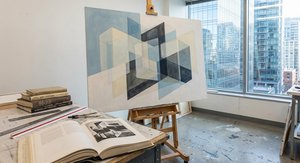
Explore the captivating world of geometric abstraction! Discover its origins, key artists like Malevich & Mondrian, and why this movement remains highly valued by art collectors today. Expert insights at BuyPopArt.
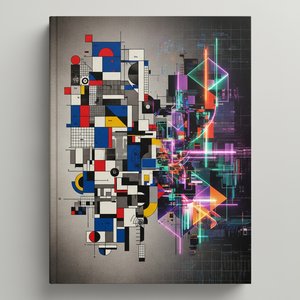
Explore the evolution of geometric abstraction from Cubism to contemporary art. Discover key artists like Malevich & Mondrian, investment insights, and expert collecting advice at BuyPopArt.


Budite u tijeku s najnovijim umjetničkim vijestima, ekskluzivnim ponudama i idejama za dekoraciju.
Recite nam nešto o svom projektu, a naši će stručnjaci za umjetnost pripremiti 3 personalizirana prijedloga umjetnina.
Dopustite nam da odaberemo 3 opcije samo za Vas – Besplatno!


 Pregledaj u stvarnoj veličini
 Pošalji
 Podijeli
 Detalji o umjetničkom djelu

 Preuzmi
 Slični predmeti
 Rentgenska snimka
 Automatska prezentacija
 Prikaži više







 Opcija stakla dostupna je samo za dimenzije manje od 110 cm


