

Kézzel festett olajvastú vászon, az Ön által választott méretben és keretben, művészeink készítik meglévőre. ( Nyomat rendelése Kép letöltése)
Válasszon előre meghatározott méreteink közül, amelyek megfelelnek a műalkotás eredeti arányainak.

Ön megadhat saját méreteket egy adott kerethez vagy térhez igazításhoz. Ha a kiválasztott méret nem egyezik az eredeti kép arányával, akkor a műalkotást levágjuk, vagy további kézzel festett elemekkel meghosszabbítjuk a festményt. A gyártás megkezdése előtt küldünk Önnek egy digitális előnézetet jóváhagyásra.
Kérjük, vegye figyelembe, hogy a képernyőn megjelenő előnézet nem tükrözi a tényleges vágást vagy kiterjesztést. Csak az előnézet fog pontosan mutatni a végső kompozíciót.
Bár egyedi méretek állnak rendelkezésre, javasoljuk, hogy válasszon egy méretet az előre meghatározott listából az eredeti arányok megőrzése érdekében.
Világszerte elérhető szállítás () 3-4 hét alatt a szokásos 5 hét helyett. (16 augusztus). A minőség nem kérdőjelezhető.


Indescribable horrors
Reprodukció mérete
This stark black-and-white photograph, titled "Indescribable Horrors," offers a chilling glimpse into the aftermath of unimaginable suffering at Bergen-Belsen concentration camp in April 1945. Captured by Australian war artist Lieutenant Alan Moore, it serves as a powerful testament to the atrocities committed during World War II and stands as a poignant symbol of Nazi terror and the Holocaust.
Bergen-Belsen was initially established in 1940 but transformed into a collection point for Jewish prisoners evacuated from other camps as Allied forces advanced. Overwhelmed resources and rampant disease led to horrific conditions, with tens of thousands starving, sick, and dying. British and Canadian forces liberated the camp on April 15, 1945, revealing scenes so appalling that photographic units were dispatched to document them. Moore, attached to one such unit, meticulously recorded these horrors through sketches, drawings, and photographs – this image being among them. He described his process as a desperate attempt to capture the reality before it was lost or dismissed, stating, "I took a roll of 35mm photographs, which I’ve still got. They show everything that was there.”
The photograph presents a chaotic and disturbing scene: Nazi soldiers and onlookers gathered around a truck laden with corpses. The composition is crowded, emphasizing the scale of the event and the unsettling presence of those observing. Soldiers are actively handling bodies, while an individual wielding a whip adds to the sense of brutality. A large group – men, women, and children – stand as witnesses, their expressions obscured but conveying a palpable unease. The image utilizes traditional black-and-white film processing, resulting in a grainy texture that enhances the somber mood. The lighting is relatively flat, further contributing to the overall sense of despair. Perspective appears somewhat flattened, prioritizing documentation over creating a highly realistic illusion.
Beyond its immediate depiction of horror, "Indescribable Horrors" carries profound symbolic weight. It embodies the dehumanization of victims and the moral corruption inherent in totalitarian regimes. The image serves as a stark reminder of genocide and war crimes, prompting reflection on the fragility of human dignity and the importance of remembering such atrocities to prevent their recurrence. The photograph's emotional impact is undeniable; it’s a deeply unsettling visual record that challenges viewers to confront the darkest aspects of human history.

1953 - , United Kingdom
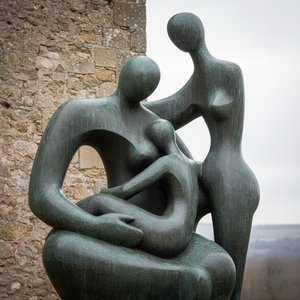
Explore the revolutionary sculptures of Henry Moore – abstract forms, reclining figures & powerful expressions of the human condition. Discover his legacy & artistic process with BuyPopArt.

Explore the life & critical work of Alan Clutton-Brock, a leading British art critic renowned for his insights into landscape painting and atmospheric realism. Discover his influence on post-war artistic discourse.

Fedezze fel a dokumentumfotózás 10 legikonikusabb remekművét! Ismerje meg Dorothea Lange, Robert Capa és más mesterek történetét. Múzeumi minőségű művészeti nyomatok otthonába – BuyPopArt.com.


Maradjon naprakész a legfrissebb művészeti hírekkel, exkluzív ajánlatokkal és dekorációs ötletekkel.
Írja le nekünk projektjét, és művészeti szakértőink 3 személyre szabott műalkotási javaslatot készítenek Önnek.
Hagyjuk, hogy mi válogassunk ki Önnek 3 legjobb opciót – Ingyenesen!


 Küldés
 Megosztás
 Részletek

 Letöltés
 Hasonló darabok
 Diavetítés


 Összes részlet megjelenítése




































 Az üvegkeretes opció csak 110 cm alatti méretben érhető el


