Múzeumi minőségű giclée vagy vászonnyomat, gyors gyártással és rugalmas finomítási lehetőségekkel. ( Kézzel festett másolat rendelése Kép letöltése)





























Válasszon előre meghatározott méreteink közül, amelyek megfelelnek a műalkotás eredeti arányainak.

Megadhat saját méreteket is egy konkrét kerethez vagy helyszínhez igazítva. Amennyiben a kiválasztott méret nem egyezik az eredeti kép arányokkal, a műalkotást le fogjuk vágni, vagy kiegészítjük a képet tükrözött vagy egyszínű szélekkel. A gyártás megkezdése előtt egy digitális tervezetet küldünk jóváhagyásra.
Kérjük, vegye figyelembe, hogy a képernyőn látható előnézet nem tükrözi a tényleges levágást vagy kiegészítést. Csak a tervezet mutatja pontosan a végső kompozíciót.
Bár az egyedi méretek is elérhetőek, az eredeti arányok megőrzése érdekében azt javasoljuk, hogy válasszon a előre meghatározott listából származó méretet.
Világszerte történő kiszállítás területére mindössze 2 hét alatt, a szokásos 4-5 hét helyett. (14 augusztus)


Charing Cross Bridge
Reprodukció mérete
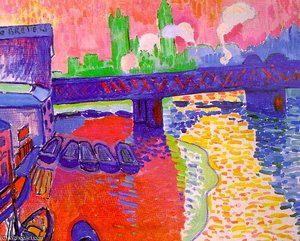
André Derain's Charing Cross Bridge (1906) isn't merely a depiction of a London thoroughfare; it’s a visceral explosion of color and emotion, a cornerstone of the revolutionary Fauvist movement. Painted during a pivotal moment in art history – a time when Impressionism was yielding to bolder, more subjective expression – this work captures the dynamism of urban life with an intensity rarely seen before. The painting, currently residing within the esteemed collection at the Musée d'Orsay in Paris, offers a captivating glimpse into the artistic fervor that defined early 20th-century modernism.
Born in 1880 in Chatou, France, André Derain’s journey began independently before his fateful encounter with Henri Matisse. This meeting ignited a collaborative spirit that would profoundly shape the development of Fauvism. The movement emerged as a direct response to Impressionism's focus on capturing fleeting moments of light and atmosphere. While Impressionists sought to represent optical reality, the Fauves – meaning “wild beasts” – deliberately distorted color to convey emotion and subjective experience. Derain’s Charing Cross Bridge exemplifies this approach; the colors aren’t intended to accurately depict the scene but rather to evoke a feeling of energy, movement, and perhaps even a sense of unease.
Derain's compositional choices amplify the painting's emotional impact. The bridge itself acts as a strong diagonal element, guiding the viewer’s eye through the scene. The placement of figures – strategically positioned to create depth and perspective – further enhances this dynamic flow. The artist’s brushwork is particularly noteworthy; it’s loose, gestural, and deliberately unrefined, contributing to the painting's raw energy. Notice how he uses thick impasto—layers of paint applied with considerable texture—to build up form and intensify color. This technique adds a tactile quality to the work, inviting viewers to engage with the surface on a deeper level.
Beyond its technical brilliance, Charing Cross Bridge carries symbolic weight. The bustling scene represents the rapid pace of industrialization and urbanization that was transforming Europe at the turn of the century. Derain’s influence extended far beyond his own time; he played a crucial role in shaping the course of modern art, inspiring subsequent generations of artists like Pablo Picasso and Georges Braque. His work remains a testament to the power of color and emotion in artistic expression, solidifying its place as a landmark achievement within the history of modern art.

1880 - 1954 , Franciaország

Discover the secret to depth with BuyPopArt.com's premium textured giclée prints. Elevate your collection with archival-quality reproductions that mimic the impasto texture of original oil paintings for a stunning 3D effect.

Master the art of decorating with impact. Our expert guide decodes Giclée prints, exploring archival quality, pigment-based inks, and how to choose between high-fidelity reproductions and hand-painted oils for a bold, museum-grade aesthetic in your space.


Maradjon naprakész a legfrissebb művészeti hírekkel, exkluzív ajánlatokkal és dekorációs ötletekkel.
Írja le nekünk projektjét, és művészeti szakértőink 3 személyre szabott műalkotási javaslatot készítenek Önnek.
Hagyjuk, hogy mi válogassunk ki Önnek 3 legjobb opciót – Ingyenesen!


 Megtekintés
 Küldés
 Megosztás
 Részletek

 Letöltés
 Hasonló darabok
 X-ray felvétel
 Diavetítés


 Összes részlet megjelenítése







 Az üvegkeretes opció csak 110 cm alatti méretben érhető el