Oil On CanvasWallArtFauvism
 1905
1905 82.0 x 101.0 cm
 Pushkin állami ललितművészeti múzeum
Múzeumi minőségű giclée vagy vászonnyomat, gyors gyártással és rugalmas finomítási lehetőségekkel. ( Kézzel festett másolat rendelése Kép letöltése)





























Válasszon előre meghatározott méreteink közül, amelyek megfelelnek a műalkotás eredeti arányainak.

Megadhat saját méreteket is egy konkrét kerethez vagy helyszínhez igazítva. Amennyiben a kiválasztott méret nem egyezik az eredeti kép arányokkal, a műalkotást le fogjuk vágni, vagy kiegészítjük a képet tükrözött vagy egyszínű szélekkel. A gyártás megkezdése előtt egy digitális tervezetet küldünk jóváhagyásra.
Kérjük, vegye figyelembe, hogy a képernyőn látható előnézet nem tükrözi a tényleges levágást vagy kiegészítést. Csak a tervezet mutatja pontosan a végső kompozíciót.
Bár az egyedi méretek is elérhetőek, az eredeti arányok megőrzése érdekében azt javasoljuk, hogy válasszon a előre meghatározott listából származó méretet.
Világszerte történő kiszállítás területére mindössze 2 hét alatt, a szokásos 4-5 hét helyett. (18 augusztus)


Drying the Sails
Reprodukció mérete
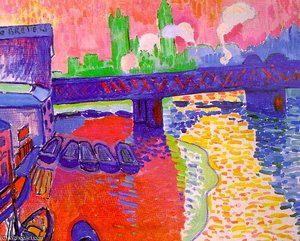
André Derain’s “Drying the Sails,” painted in 1905, isn't merely a depiction of a harbor scene; it’s an explosion of color and emotion—a quintessential embodiment of the Fauvist movement. Born from a confluence of artistic influences and a desire to break free from traditional representation, this painting captures a fleeting moment on the French coast, imbued with a raw energy that continues to resonate with viewers today. Derain, alongside Henri Matisse, spearheaded this revolutionary approach to art, prioritizing the subjective experience of color and light over strict adherence to realism. The work’s genesis lies in the summer of 1905, spent in Collioure, a vibrant port town on the Mediterranean coast – a location that profoundly shaped Derain's artistic vision.
The painting itself presents a bustling waterfront scene dominated by a collection of sailboats. These vessels aren’t rendered with meticulous detail; instead, they are simplified forms, their edges blurred and dissolving into washes of intense blues, greens, yellows, and reds. The sky is a swirling vortex of color, mirroring the energy of the water below. The figures present – fishermen, sailors, and onlookers – are equally abstracted, contributing to the overall sense of movement and dynamism. It’s important to note that Derain deliberately avoided precise observation, opting instead to translate his *feeling* of the scene onto the canvas.
To truly appreciate “Drying the Sails,” it's crucial to understand the context of Fauvism. Emerging at the turn of the 20th century, this movement rejected the muted tones and academic conventions of the past. Artists like Derain, Matisse, and Maurice de Vlaminck embraced bold, non-naturalistic colors – often using them purely for their expressive qualities. They believed that color could evoke emotions and sensations independently of its representation. This radical departure from tradition was initially met with criticism, earning the Fauves (meaning “wild beasts”) their provocative nickname. Derain’s use of vibrant hues in "Drying the Sails" is a prime example of this approach – colors are applied with abandon, creating a dazzling and almost hallucinatory effect.
Technically, Derain employed loose, expressive brushstrokes—a hallmark of Fauvist painting. The paint is applied thickly, often directly from the tube, resulting in a textured surface that adds to the sense of movement and immediacy. He utilized a technique known as “divisionism,” breaking down colors into smaller dots or patches, allowing the viewer’s eye to blend them together optically. This method further intensified the vibrancy of the palette and created an almost shimmering quality within the painting.
Beyond its technical innovations, “Drying the Sails” is rich in symbolic meaning. The act of drying sails represents a transition – from movement to stillness, from activity to rest. It’s a moment of pause amidst the bustle of harbor life, inviting contemplation. The intense colors can be interpreted as representing the energy and vitality of nature, while the simplified forms suggest a focus on essential shapes and rhythms. The painting isn't simply about depicting a scene; it’s about conveying an *experience* – a feeling of warmth, light, and perhaps even a hint of melancholy.
The painting’s emotional impact is undeniable. It evokes a sense of joy and exuberance, yet also hints at the transient nature of beauty and the inevitability of change. “Drying the Sails” remains a powerful testament to Derain's artistic vision and his pivotal role in shaping the course of modern art. Its legacy continues to inspire artists today, demonstrating the transformative power of color and emotion.

1880 - 1954 , Franciaország

Explore the vibrant world of Fauvism with our expert guide. Discover how masters like Henri Matisse revolutionized art through bold colors and expressive strokes, defining a movement that continues to inspire collectors and art enthusiasts worldwide.


Maradjon naprakész a legfrissebb művészeti hírekkel, exkluzív ajánlatokkal és dekorációs ötletekkel.
Írja le nekünk projektjét, és művészeti szakértőink 3 személyre szabott műalkotási javaslatot készítenek Önnek.
Hagyjuk, hogy mi válogassunk ki Önnek 3 legjobb opciót – Ingyenesen!


 Megtekintés
 Küldés
 Megosztás
 Részletek

 Letöltés
 Hasonló darabok
 X-ray felvétel
 Diavetítés
 Összes részlet megjelenítése







 Az üvegkeretes opció csak 110 cm alatti méretben érhető el