Adja értékesésre műveiét
x
ElőnézetElőnézet AR előnézetAR előnézet Váltás nyomtatványra Váltás nyomtatványraKépváltás Képváltás MegosztásMegosztás
RészletekRészletek Kedvencekhez ad Kedvencekhez ad LetöltésLetöltés Hasonló alkotásokHasonló alkotások X-ray felvételX-ray felvétel DiavetítésDiavetítés

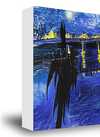
The Forge\n\nReference Image

Andrzej Rożycki’s ‘The Forge’ captures bleak urban isolation in stark black & white. Documentary photography showcasing figures amidst decay, reflecting Polish folklore & social commentary.

Explore Andrzej Różycki's unique ethnological films & art. Polish visionary blending folklore, ritual, & social commentary. Discover his influential multimedia legacy.

Kézzel készített olajfestmény reprodukció

Kézzel festett olajvastú vászon, az Ön által választott méretben és keretben, művészeink készítik meglévőre. (Váltás nyomtatványra Váltás nyomtatványraKépváltás Képváltás)

Standard
custom
CM
INCH

Válasszon előre meghatározott méreteink közül, amelyek megfelelnek a műalkotás eredeti arányainak.

szélesség
magasság

Ön megadhat saját méreteket egy adott kerethez vagy térhez igazításhoz. Ha a kiválasztott méret nem egyezik az eredeti kép arányával, akkor a műalkotást levágjuk, vagy további kézzel festett elemekkel meghosszabbítjuk a festményt. A gyártás megkezdése előtt küldünk Önnek egy digitális előnézetet jóváhagyásra.
Kérjük, vegye figyelembe, hogy a képernyőn megjelenő előnézet nem tükrözi a tényleges vágást vagy kiterjesztést. Csak az előnézet fog pontosan mutatni a végső kompozíciót.
Bár egyedi méretek állnak rendelkezésre, javasoljuk, hogy válasszon egy méretet az előre meghatározott listából az eredeti arányok megőrzése érdekében.

Példák arra, mit lehet módosítani: az arc kicserélése az ügyfél fotójára; háziállat hozzáadása (pl. macska helyett kutya); rejtett üzenet elhelyezése a háttérben; a háttér tájának vagy elemeinek megváltoztatása.
A rendelést követően a BuyPopArt.com csapata e-mailt küld az ügyfélnek az instrukciókért, és biztosít egy előnézeti képet (mockup).

Világszerte elérhető szállítás () 3-4 hét alatt a szokásos 5 hét helyett. (3 augusztus). A minőség nem kérdőjelezhető.

why_choose_icon
Ingyenes globális expressz szállítás
why_choose_icon
Prémium minőségű len vászon
why_choose_icon
Teljes szállítási biztosítás
why_choose_icon
Vámvisszatérítési Garancia
why_choose_icon
Tökéletes színpontosság garancia
why_choose_icon
60 napos visszaküldési lehetőség (csak gyártási hibák esetén)
why_choose_icon
100%-os pénzvisszatérítési garancia
why_choose_icon
Kedvezmény több termény esetén

Összesen

$ 338

reproduction

The Forge\n\nReference Image

Reprodukciós technika

A reprodukció mérete

-

Összesített ár

$ 338

A műalkotás leírása

The photographic documentation of Andrzej Rożycki

A művész életrajza

A Visionary of Folklore and Film: The Life and Art of Andrzej Różycki

Andrzej Różycki, a Polish artist who passed away in 2021, was far more than simply a photographer or filmmaker. He was a polymath—a thinker, theorist, multimedia artist whose work delved into the very essence of image-making and its relationship to culture, ritual, and memory. Born in Baranowicze, Poland, in 1942, his early life was marked by displacement following World War II, an experience that would profoundly shape his artistic sensibility. This sense of loss and a fascination with fragmented histories became recurring themes throughout his prolific career. He received his formal training at the Faculty of Fine Arts at Nicolaus Copernicus University in Toruń, laying the groundwork for a practice that seamlessly blended academic rigor with experimental approaches.

From Zero-61 to the Film Form Workshop: Early Artistic Development

Różycki’s artistic journey truly began to take form in Łódź, where he settled in 1969 and became deeply involved in the city's vibrant avant-garde scene. He was a key member of the Zero-61 group, an influential collective dedicated to exploring new forms of photographic expression. This period saw him move away from traditional documentary styles toward more conceptual approaches, seeking “positive values” within the medium itself—a search for meaning beyond mere representation. His involvement with the Film Form Workshop at the Polish National Film, Television and Theater School further broadened his horizons, leading to the creation of around sixty films that spanned ethnology, art history, and folk traditions. These weren’t conventional documentaries; they were often poetic explorations, imbued with a philosophical depth that questioned the nature of reality itself.

Ethnological Films & The Power of Ritual

Różycki's most significant contribution lies in his unique ethnological films. He didn’t approach folklore as a static relic of the past but as a living, breathing force—a complex system of beliefs and practices that continued to resonate within contemporary Polish society. His work meticulously documented folk rituals, not simply recording them but attempting to understand their underlying symbolism and social function. He collaborated extensively with the Educational Film Studio in Łódź during the 1970s and 80s, producing films that were both artistically innovative and academically insightful. These works often explored the tension between tradition and modernity, highlighting the ways in which ancient customs adapted to changing times. He wasn’t merely an observer; he was a participant, deeply engaged with the communities he filmed, seeking to capture the *spirit* of these traditions rather than simply their outward forms.

Fotozofia & The Legacy of Discarded Images

In later years, Różycki’s work took an increasingly introspective turn, focusing on his personal collections of forgotten or obsolete objects and images. This practice, which he termed “Fotozofia” (Photosophy), was a fascinating blend of hoarding, archaeology, and philosophical inquiry. He saw beauty in the discarded—in the remnants of everyday life that others had deemed worthless. These collected fragments became the raw material for his art, prompting reflections on memory, loss, and the ephemeral nature of existence. His 2021 retrospective exhibition, *Import(ance)s. Between Hoarding and Photosophy*, at Fotofestiwal in Łódź, offered a comprehensive overview of this unique artistic trajectory, showcasing five decades of work that challenged conventional notions of art and value. His influence extends beyond the realm of visual arts, impacting fields such as anthropology and cultural studies. Różycki’s legacy is one of relentless curiosity, intellectual rigor, and a profound respect for the power of images to shape our understanding of the world.

Historical Significance & Enduring Impact

Andrzej Różycki stands as a pivotal figure in Polish postwar avant-garde art. His work challenged the boundaries between disciplines—photography, film, ethnography, philosophy—creating a truly interdisciplinary practice that continues to inspire artists and scholars today. He was not simply documenting reality; he was actively constructing it, questioning its very foundations. His films offer invaluable insights into Polish folklore and social commentary, while his Fotozofia provides a unique perspective on the relationship between memory, materiality, and identity.
  • A member of Zero-61 group.
  • Co-founder of the Łódź Film Form Workshop.
  • Created around sixty films related to ethnology, art, and folk rituals.
His passing in 2021 marked a significant loss for the Polish art world, but his work continues to resonate, reminding us of the power of images to connect us to the past, illuminate the present, and shape our vision of the future.
andrzej różycki

andrzej różycki

1942 - 2021 , Poland

Rövid tények

  • Artistic Movement Or Style: Ethnological films & art
  • Date Of Birth: 1942
  • Date Of Death: 2021
  • Full Name: Andrzej Różycki
  • Nationality: Polish
  • Notable Artworks: ['The Forge']
  • Place Of Birth: Baranowicze, Poland