
x

 Contemporary Realism
 36.0 x 53.0 cm
Kézzel festett olajvastú vászon, az Ön által választott méretben és keretben, művészeink készítik meglévőre. ( Nyomat rendelése Kép letöltése)
Válasszon előre meghatározott méreteink közül, amelyek megfelelnek a műalkotás eredeti arányainak.

Ön megadhat saját méreteket egy adott kerethez vagy térhez igazításhoz. Ha a kiválasztott méret nem egyezik az eredeti kép arányával, akkor a műalkotást levágjuk, vagy további kézzel festett elemekkel meghosszabbítjuk a festményt. A gyártás megkezdése előtt küldünk Önnek egy digitális előnézetet jóváhagyásra.
Kérjük, vegye figyelembe, hogy a képernyőn megjelenő előnézet nem tükrözi a tényleges vágást vagy kiterjesztést. Csak az előnézet fog pontosan mutatni a végső kompozíciót.
Bár egyedi méretek állnak rendelkezésre, javasoljuk, hogy válasszon egy méretet az előre meghatározott listából az eredeti arányok megőrzése érdekében.
Világszerte elérhető szállítás () 3-4 hét alatt a szokásos 5 hét helyett. (25 augusztus). A minőség nem kérdőjelezhető.


Goatherd
Reprodukció mérete
Born in the rugged landscapes of Ulster in 1860, Arthur David McCormick emerged as a profound voice in British art, weaving together the precision of an illustrator with the soul of an Impressionist. His journey from the local schools of his youth to the prestigious halls of London was marked by a serendipitous voyage aboard a ship shared with Hugh Thomson, a connection that would forever influence his artistic sensibilities. This early exposure to travel and diverse perspectives laid the groundwork for a career defined by exploration and an unyielding passion for capturing the sublime beauty of the natural world.
McCormick’s formal training at the Royal College of Art between 1883 and 1886 provided him with the technical mastery required to translate grand vistas onto canvas. Under the tutelage of luminaries such as Frederic Leighton and Joseph Hibbert, he refined a style that balanced meticulous realism with an expressive, atmospheric brushwork. His debut at the Royal Academy in 1889 was not merely a professional milestone but a declaration of intent, showcasing works that hinted at his burgeoning fascination with light, shadow, and the ephemeral qualities of the environment.
What truly distinguishes McCormick from his contemporaries was his role as an artist-explorer. He did not merely paint landscapes; he lived within them, venturing into some of the most formidable terrains on Earth. His participation in Sir Martin Conway's expedition to the Karakoram subrange of the Himalayas in 1892–1s93 and Clinton T. Dent's expedition to the Caucasus Mountains in 1895 allowed him to witness geological wonders that few Western eyes had ever beheld. These journeys served as the lifeblood of his creative output, providing him with a repertoire of breathtaking panoramas and intimate genre scenes.
The influence of these expeditions is palpable in works such as “Sakkar,” India: Moonlight and “A Hunter’s Shrine, Central Caucasus.” In these paintings, the grandeur of the mountains meets a delicate handling of light, reflecting an aesthetic that drew inspiration from the Impressionist masters like Claude Monet. His ability to convey the biting chill of high-altitude air or the soft, silver glow of moonlight over distant peaks transformed his canvases into windows through which the public could experience the majesty of the unknown.
Beyond the sweeping mountain ranges, McCormick possessed a remarkable versatility, moving effortlessly between naval subjects, historical scenes, and tender genre portrayals. His work for The English Illustrated Magazine demonstrated his skill as an illustrator, capable of injecting narrative tension and character into every stroke. Even in more commercial endeavors, such as his 1927 painting Head of a Sailor for John Player & Sons, his fundamental commitment to capturing a sense of identity and atmosphere remained undiminished.
The historical significance of Arthur David McCormick lies in his ability to bridge the gap between the academic traditions of the 19th century and the emotive freedom of the early 20th century. His life’s work remains a testament to the power of observation and the enduring allure of the wild. Through his eyes, we see a world where:
Today, McCormick’s legacy continues to resonate within the annals of British art, reminding us that true mastery is found at the intersection of rigorous technique and an adventurous spirit.

1860 - 1943

Fedezze fel a romantikus tájképfestészet 10 legikonikusabb műalkotását! Caspar David Friedrich, J.M.W. Turner és más mesterek festményeinek története – inspiráló olajfestmények otthonába. BuyPopArt.com: múzeumi minőségű reprodukciók és egyedi dekorációk online.
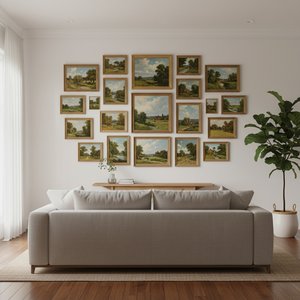
Fedezze fel John Constable 25 legszebb művészeti alkotását! Ismerje meg a romantika ikonikus tájképeit, Dedham Vale szépségét és a természet lenyűgöző ábrázolásait. Vászonkép reprodukcióinkkal eleganciát csempészhet otthonába – BuyPopArt.com

Explore the captivating landscapes of David Cox the Elder, a pivotal figure in British Romanticism. Discover his masterful watercolour techniques, enduring legacy & find timeless art for your home at BuyPopArt.

Explore the rich history of rural landscape painting with BuyPopArt. Discover Impressionist masterpieces, key artists & movements. Find your perfect serene artwork and bring nature's beauty home.

Explore the profound beauty of pastoral art history. From Arcadian myths to Impressionist mastery, discover how timeless landscapes capture nature's serenity and transform modern interiors with museum-quality, hand-painted oil reproductions.


Maradjon naprakész a legfrissebb művészeti hírekkel, exkluzív ajánlatokkal és dekorációs ötletekkel.
Írja le nekünk projektjét, és művészeti szakértőink 3 személyre szabott műalkotási javaslatot készítenek Önnek.
Hagyjuk, hogy mi válogassunk ki Önnek 3 legjobb opciót – Ingyenesen!


 Megtekintés
 Küldés
 Megosztás
 Részletek

 Letöltés
 Hasonló darabok
 X-ray felvétel
 Diavetítés
 Összes részlet megjelenítése




































 Az üvegkeretes opció csak 110 cm alatti méretben érhető el


