


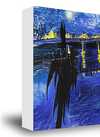
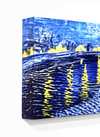
Kézzel festett olajvastú vászon, az Ön által választott méretben és keretben, művészeink készítik meglévőre. ( Switch to Print Switch to Image)
Válasszon előre meghatározott méreteink közül, amelyek megfelelnek a műalkotás eredeti arányainak.

Ön megadhat saját méreteket egy adott kerethez vagy térhez igazításhoz. Ha a kiválasztott méret nem egyezik az eredeti kép arányával, akkor a műalkotást levágjuk, vagy további kézzel festett elemekkel meghosszabbítjuk a festményt. A gyártás megkezdése előtt küldünk Önnek egy digitális előnézetet jóváhagyásra.
Kérjük, vegye figyelembe, hogy a képernyőn megjelenő előnézet nem tükrözi a tényleges vágást vagy kiterjesztést. Csak az előnézet fog pontosan mutatni a végső kompozíciót.
Bár egyedi méretek állnak rendelkezésre, javasoljuk, hogy válasszon egy méretet az előre meghatározott listából az eredeti arányok megőrzése érdekében.
Világszerte elérhető szállítás () 3-4 hét alatt a szokásos 5 hét helyett. (29 július). A minőség nem kérdőjelezhető.


Sgraffito plate
A reprodukció mérete
Solomon Grimm (1787-1847), a name whispered with reverence among collectors of American folk art, stands as one of the most compelling and enigmatic figures in the history of Pennsylvania redware. While biographical details remain scarce—a common fate for many early American artisans—the enduring power and distinctive beauty of his pottery speak volumes about a man deeply connected to his craft and community. Grimm’s work transcends mere utility; it is an expression of cultural identity, personal artistry, and a uniquely American aesthetic sensibility born from the rich traditions of German immigrant craftsmanship.
Born in Berks County, Pennsylvania, a region steeped in the heritage of early German settlers, Solomon Grimm inherited a landscape brimming with ceramic tradition. The area’s abundant clay deposits provided the raw material for a thriving industry, and generations of potters had honed techniques passed down from the Rhineland. These traditions emphasized practicality—vessels for storage, cooking, and daily life—but also allowed for increasing levels of decorative expression. Grimm's family background remains largely undocumented, but it is reasonable to assume he was immersed in this world from a young age, learning the fundamentals of clay preparation, wheel throwing, firing, and glazing within a close-knit network of potters. The early 19th century saw a burgeoning sense of national identity in America, and while Grimm’s work clearly reflects his German roots, it also embodies a distinctly American spirit—a willingness to experiment with form and decoration.
Grimm distinguished himself through his mastery of the *sgraffito* technique. This intricate process involves applying a layer of slip (liquid clay) – often a contrasting color like yellow or manganese brown – over a leather-hard clay body, then carefully carving through the slip to reveal the red earthenware beneath. His designs are remarkably complex and varied, featuring stylized floral motifs—tulips, stars, hearts—and occasionally incorporating dates and even initials. The precision of his lines, the exuberance of his compositions, and the dynamic interplay between positive and negative space set his work apart from that of his contemporaries. Unlike many redware potters who favored simple geometric patterns or basic sgraffito bands, Grimm embraced a level of detail rarely seen in utilitarian ceramics. The application of slip wasn’t merely decorative; it added depth and texture to the surface, creating a tactile experience as compelling as the visual one.
The symbolism embedded within Grimm's pottery offers tantalizing clues to his worldview. The recurring presence of stars may have held religious connotations—representing divine guidance or hope—or simply served as decorative elements reflecting popular motifs of the period. Tulips, a beloved flower in Pennsylvania German culture, often symbolized love and prosperity. Hearts, frequently adorned with dates, likely commemorated personal events – births, marriages, anniversaries – transforming everyday objects into cherished keepsakes. The inclusion of dates on many pieces suggests that Grimm catered to a local clientele seeking personalized items for special occasions. His work wasn’t simply about creating beautiful forms; it was about imbuing those forms with meaning and connecting them to the lives of his patrons. The careful arrangement of these symbols, often within elaborate geometric frameworks, reveals a sophisticated understanding of composition and visual balance.
Although he operated on a relatively small scale, Solomon Grimm’s influence on American folk art is undeniable. His pottery represents the pinnacle of Pennsylvania redware artistry—a testament to the skill, creativity, and cultural heritage of German immigrant craftsmen. Today, his pieces are highly sought after by collectors and museums alike, including prominent examples held within The Metropolitan Museum of Art. While the details of his life remain shrouded in mystery, the enduring beauty and expressive power of his work continue to captivate and inspire. Grimm’s legacy lies not only in the exquisite objects he created but also in the preservation of a unique artistic tradition—a vibrant expression of American identity forged from the rich soil of Pennsylvania.


Maradjon naprakész a legfrissebb művészeti hírekkel, exkluzív ajánlatokkal és dekorációs ötletekkel.
Írja le nekünk projektjét, és művészeti szakértőink 3 személyre szabott műalkotási javaslatot készítenek Önnek.
Hagyjuk, hogy mi válogassunk ki Önnek 3 legjobb opciót – Ingyenesen!


 Preview
 Megosztás
 Megosztás
 Részletek

 Letöltés
 Hasonló alkotások
 X-ray felvétel
 Diavetítés

 Tovább olvasom

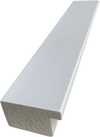
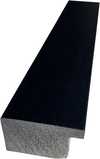
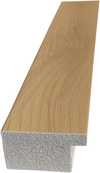
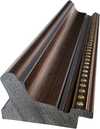
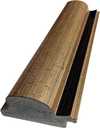
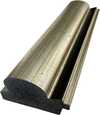
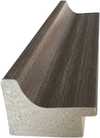
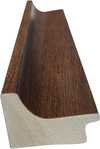
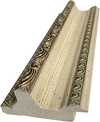
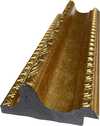
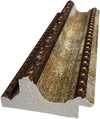
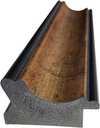
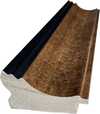
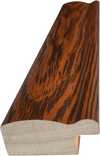

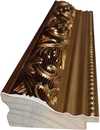
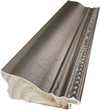
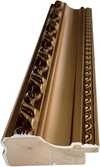
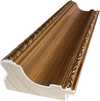
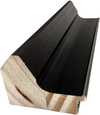
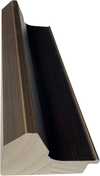
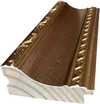
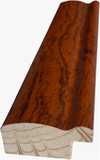
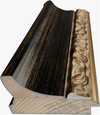
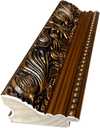
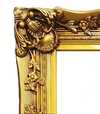
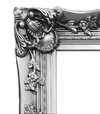
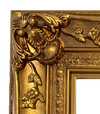
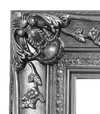
 Az üvegkeretes opció csak 110 cm alatti méretben érhető el


