


Múzeumi minőségű giclée vagy vászonnyomat, gyors gyártással és rugalmas finomítási lehetőségekkel. ( Áttérés a kézzel festett másolatra Képváltás)
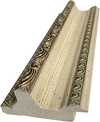
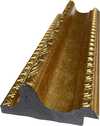
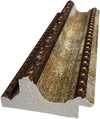
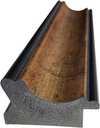
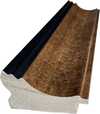
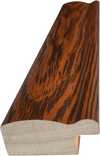
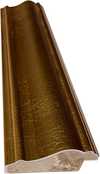
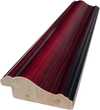
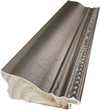
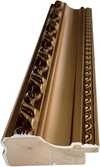
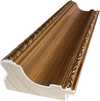
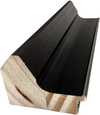
Válasszon előre meghatározott méreteink közül, amelyek megfelelnek a műalkotás eredeti arányainak.

Megadhat saját méreteket is egy konkrét kerethez vagy helyszínhez igazítva. Amennyiben a kiválasztott méret nem egyezik az eredeti kép arányokkal, a műalkotást le fogjuk vágni, vagy kiegészítjük a képet tükrözött vagy egyszínű szélekkel. A gyártás megkezdése előtt egy digitális tervezetet küldünk jóváhagyásra.
Kérjük, vegye figyelembe, hogy a képernyőn látható előnézet nem tükrözi a tényleges levágást vagy kiegészítést. Csak a tervezet mutatja pontosan a végső kompozíciót.
Bár az egyedi méretek is elérhetőek, az eredeti arányok megőrzése érdekében azt javasoljuk, hogy válasszon a előre meghatározott listából származó méretet.
Világszerte történő kiszállítás területére 2 hét alatt, a szokásos 4-5 hét helyett. 4 augusztus


Hubert Robert
A reprodukció mérete
Augustin Pajou's "Portrait of the Artist," painted in 1802, offers a remarkably intimate and dignified glimpse into the life and character of one of France’s most celebrated sculptors. More than just a likeness, this portrait is a carefully constructed statement about artistic identity, Neoclassical ideals, and the burgeoning respectability afforded to artists within the French court. The work, rendered in oil on canvas, captures Pajou not as a grand figure of state, but as a thoughtful individual engaged in quiet contemplation – a subtle shift from the more overtly heroic depictions prevalent at the time.
To fully appreciate “Portrait of Augustin Pajou,” it’s crucial to understand the social and artistic climate in which it was created. Following the tumultuous years of the French Revolution, France was undergoing a period of relative stability under Napoleon Bonaparte. The arts were being actively promoted as instruments of national unity and cultural revival – a deliberate effort to restore order and grandeur after the chaos of the revolution. Augustin Pajou himself benefited greatly from this renewed patronage, holding prestigious positions at Versailles and contributing significantly to the decoration of public buildings.
The portrait’s setting—likely Pajou's studio—is subtly suggested through details like the tools of his trade scattered on a nearby table. This inclusion reinforces the idea that he is not merely a subject for artistic representation, but an active participant in the creative process. The lighting, directed from the left, casts gentle shadows across his face, highlighting the contours of his features and adding depth to the composition.
Beyond its technical merits, “Portrait of Augustin Pajou” is rich in symbolic meaning. The artist’s gaze—direct and thoughtful—suggests a quiet confidence and intellectual engagement with his craft. The formal attire – a dark jacket and waistcoat – reflects the Neoclassical emphasis on order, discipline, and respectability. It's a deliberate presentation of an artist as a cultivated gentleman, worthy of admiration and patronage.
Furthermore, the portrait can be interpreted as a statement about the evolving role of the sculptor in French society. Previously, sculptors were often viewed with suspicion – associated with pagan rituals and considered somewhat uncouth. Pajou’s dignified portrayal helped to elevate the status of the profession, demonstrating that artists could contribute meaningfully to the cultural and political life of the nation.
Augustin Pajou's "Portrait of the Artist" stands as a testament to his skill, artistry, and the enduring appeal of Neoclassical ideals. It’s a captivating image that invites us to contemplate not only the likeness of a remarkable sculptor but also the broader cultural context in which he lived and worked. Reproductions of this portrait offer a beautiful way to bring a touch of refined elegance into any space – a reminder of France's rich artistic heritage and the timeless power of classical beauty.

1766 - 1828 , France

Explore the life & art of Charles Robert Leslie, a key figure bridging Romantic ideals with Victorian academic tradition. Discover his captivating portraits, literary scenes, and enduring legacy as Constable’s biographer.

Fedezze fel a kubizmus 10 legikonikusabb portréját! Picasso, Braque és más mesterek forradalmi művei – történetükkel, technikájukkal. Múzeumi minőségű reprodukciók otthonába a BuyPopArt-on. Explore the full collection online!

Explore the life & art of Sir Hubert von Herkomer, a pivotal Victorian realist painter. Discover his powerful portraits, social commentary & pioneering film work. Learn about his legacy and find high-quality reproductions at BuyPopArt.

Explore the captivating world of Hubert Robert, master of Romantic landscape painting & 'capriccio' ruins. Discover his historical context, artistic innovations, and collecting insights with BuyPopArt.

Fedezze fel Amedeo Modigliani 25 legikonikusabb művét! Mélyreható történetek, elemzések és a modern művészet remeklői. Portrék, aktok, expresszionizmus – inspiráló festmények otthonába. BuyPopArt.com: minőségi reprodukciók és dekoráció.


Maradjon naprakész a legfrissebb művészeti hírekkel, exkluzív ajánlatokkal és dekorációs ötletekkel.
Írja le nekünk projektjét, és művészeti szakértőink 3 személyre szabott műalkotási javaslatot készítenek Önnek.
Hagyjuk, hogy mi válogassunk ki Önnek 3 legjobb opciót – Ingyenesen!


 Előnézet
 Megosztás
 Megosztás
 Részletek

 Letöltés
 Hasonló alkotások
 X-ray felvétel
 Diavetítés


 Tovább olvasom
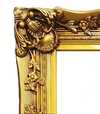
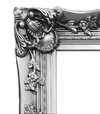
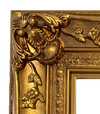
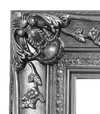
 Az üvegkeretes opció csak 110 cm alatti méretben érhető el


