


 Acrylic On CanvasWallArtBaroque Classicizing Style
 1681
1681 221.0 x 224.0 cm
 Musées Royaux des Beaux-Arts
Kézzel festett olajvastú vászon, az Ön által választott méretben és keretben, művészeink készítik meglévőre. ( Váltás nyomtatványra Képváltás)
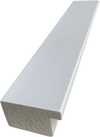
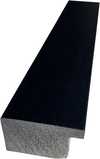
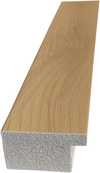
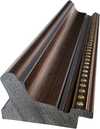
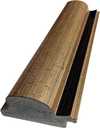

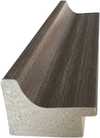
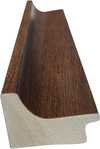
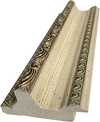
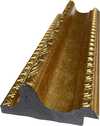
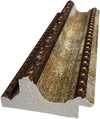
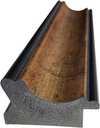
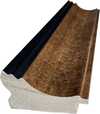
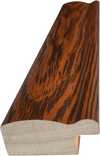
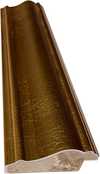
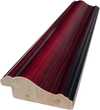
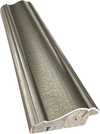
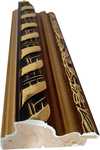

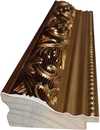
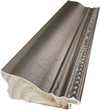
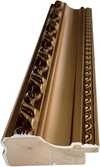
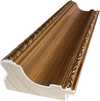
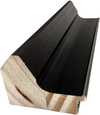
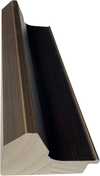
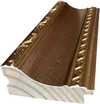
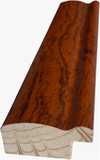
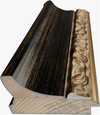
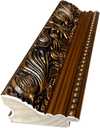
Válasszon előre meghatározott méreteink közül, amelyek megfelelnek a műalkotás eredeti arányainak.

Ön megadhat saját méreteket egy adott kerethez vagy térhez igazításhoz. Ha a kiválasztott méret nem egyezik az eredeti kép arányával, akkor a műalkotást levágjuk, vagy további kézzel festett elemekkel meghosszabbítjuk a festményt. A gyártás megkezdése előtt küldünk Önnek egy digitális előnézetet jóváhagyásra.
Kérjük, vegye figyelembe, hogy a képernyőn megjelenő előnézet nem tükrözi a tényleges vágást vagy kiterjesztést. Csak az előnézet fog pontosan mutatni a végső kompozíciót.
Bár egyedi méretek állnak rendelkezésre, javasoljuk, hogy válasszon egy méretet az előre meghatározott listából az eredeti arányok megőrzése érdekében.
Világszerte elérhető szállítás () 3-4 hét alatt a szokásos 5 hét helyett. (3 augusztus). A minőség nem kérdőjelezhető.


Apollo Chasing Daphne
A reprodukció mérete
Carlo Maratta’s “Apollo Chasing Daphne,” completed in 1681, isn't merely a depiction of Greek mythology; it’s an exquisitely crafted distillation of humanist ideals within the Baroque aesthetic. Hanging proudly at the Musées Royaux des Beaux-Arts in Brussels—a testament to Belgian cultural heritage—the canvas commands attention with its serene composure and subtle dynamism.
The painting recounts the legendary pursuit of Apollo—god of music, poetry, and archery—by Daphne, a nymph who embodies feminine resilience. Driven by desire, Apollo relentlessly pursues Daphne, attempting to seduce her with his divine charisma. However, Daphne refuses his advances, recognizing the danger posed by his obsession. Faced with imminent capture, she pleads for her father’s intervention, resulting in a miraculous transformation: Daphne is metamorphosed into laurel—a symbol of honor and victory—precisely as Apollo reaches for her.
Maratta's masterful technique exemplifies the Baroque style’s commitment to realism blended with theatrical illusion. He employs a pyramidal composition, anchoring the figures in stability while simultaneously directing the viewer’s gaze upwards towards Apollo and Daphne. The artist utilizes chiaroscuro—the dramatic interplay of light and shadow—to heighten emotional intensity and sculpt the forms of his subjects. Notice how the luminous glow illuminates Daphne's face, conveying her vulnerability and determination.
Beyond its retelling of a classic tale, “Apollo Chasing Daphne” resonates with deeper symbolic meanings. The laurel wreath represents Daphne’s triumph over Apollo’s desire—a visual affirmation of feminine autonomy and spiritual fortitude. Furthermore, the bird circling above Daphne underscores the fleeting nature of beauty and the inevitability of change. Maratta skillfully integrates these motifs into a harmonious whole, elevating the painting beyond mere narrative illustration.
Despite the palpable tension between Apollo and Daphne—expressed through their postures and gestures—the overall mood of “Apollo Chasing Daphne” is remarkably tranquil. Maratta achieves this effect by prioritizing balance and restraint, avoiding excessive ornamentation or flamboyant color palettes. Instead, he invites contemplation, prompting viewers to consider themes of love, loss, and transformation. It’s a painting that speaks to the human condition—a reminder that even in moments of vulnerability, grace and dignity can prevail.

1625 - 1713 , Olaszország
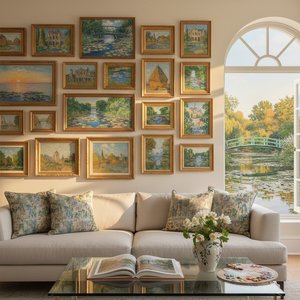
Fedezze fel Claude Monet 25 legikonikusabb mesterművét! Ismerje meg az impresszionizmus zseniális festőjének történetét, a fény és szín varázsát. Vásároljon exkluzív reprodukciókat otthona dekorációjához a BuyPopArt.com-on!

Fedezze fel a barokk művészet 10 legpártosabb remekművét! Caravaggio, Rembrandt és Vermeer alkotásainak története – BuyPopArt.com kínálatában exkluzív reprodukciók és inspiráló dekorációs ötletek várják Önt. Nézze meg most!

Fedezze fel a barokk festészet 10 legikonikusabb művét! Caravaggio, Rembrandt, Rubens és Vermeer remekművei – történetükkel, technikájukkal. Luxus otthon dekoráció inspirációk, olajfestmény reprodukciók magas minőségben. BuyPopArt.com: a barokk stílus szépsége online!

Fedezze fel a 10 legikonikusabb szürke árnyalatok festményét! Munch, Van Gogh, Monet és más mesterek művészettörténeti remekművei. Inspirálódjon otthon dekorációjához és vásárolja meg kedvenc reprodukcióit a BuyPopArt.com-on!

Fedezze fel a 10 leghíresebb festményt, melyeket az olívazöld árnyalatok dominálnak! Reneszánsz remekművektől a modern művészetig – ismerje meg a mestereket és inspirálódjon otthon dekorációjához. Museum-minőségű reprodukciók a BuyPopArt.com-on!


Maradjon naprakész a legfrissebb művészeti hírekkel, exkluzív ajánlatokkal és dekorációs ötletekkel.
Írja le nekünk projektjét, és művészeti szakértőink 3 személyre szabott műalkotási javaslatot készítenek Önnek.
Hagyjuk, hogy mi válogassunk ki Önnek 3 legjobb opciót – Ingyenesen!


 Előnézet
 Megosztás
 Megosztás
 Részletek

 Letöltés
 Hasonló alkotások
 X-ray felvétel
 Diavetítés
 Tovább olvasom

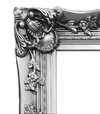
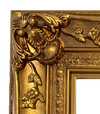
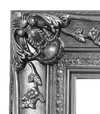
 Az üvegkeretes opció csak 110 cm alatti méretben érhető el


