Contemporary Realism
 1922
1922 20.0 x 25.0 cm
 Smithsonian American Art Múzeum
Múzeumi minőségű giclée vagy vászonnyomat, gyors gyártással és rugalmas finomítási lehetőségekkel. ( Áttérés a kézzel festett másolatra Képváltás)
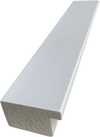
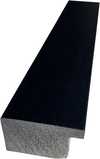
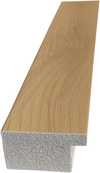
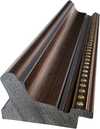
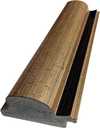
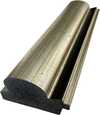
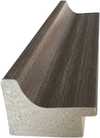
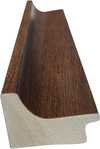
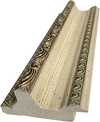
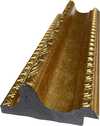
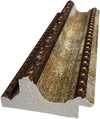
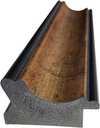
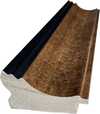
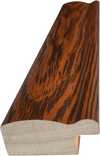
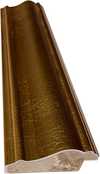
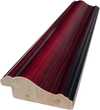
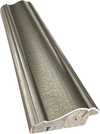
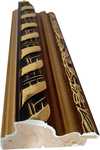
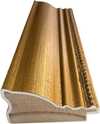
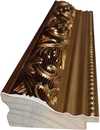
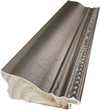
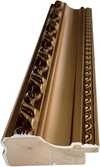
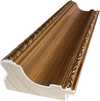
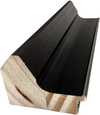
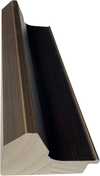
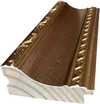
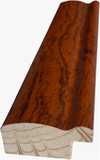
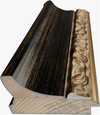
Válasszon előre meghatározott méreteink közül, amelyek megfelelnek a műalkotás eredeti arányainak.

Megadhat saját méreteket is egy konkrét kerethez vagy helyszínhez igazítva. Amennyiben a kiválasztott méret nem egyezik az eredeti kép arányokkal, a műalkotást le fogjuk vágni, vagy kiegészítjük a képet tükrözött vagy egyszínű szélekkel. A gyártás megkezdése előtt egy digitális tervezetet küldünk jóváhagyásra.
Kérjük, vegye figyelembe, hogy a képernyőn látható előnézet nem tükrözi a tényleges levágást vagy kiegészítést. Csak a tervezet mutatja pontosan a végső kompozíciót.
Bár az egyedi méretek is elérhetőek, az eredeti arányok megőrzése érdekében azt javasoljuk, hogy válasszon a előre meghatározott listából származó méretet.
Világszerte történő kiszállítás területére 2 hét alatt, a szokásos 4-5 hét helyett. 1 augusztus


The Cat Boat
A reprodukció mérete
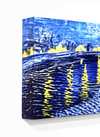
Edward Hopper's “The Cat Boat,” created in 1922, stands as a quintessential emblem of American Modernism—a deceptively simple scene imbued with profound psychological depth. More than just depicting a sailboat gliding along the New England coast, it’s a masterful distillation of Hopper’s signature style: realism tempered by an unsettling stillness that invites contemplation and subtly underscores themes of isolation and melancholy.
The artwork's composition centers around the sailboat itself—a dominant presence in the foreground—whose angled sail creates a dynamic diagonal line, pulling the viewer’s eye across the canvas. A smaller boat appears in the background to provide context and subtly heighten the sense of distance. Hopper skillfully employs etching techniques, utilizing hatching and cross-hatching extensively to render textures – from the rough surface of the water to the solidity of the boat's structure—achieving remarkable tonal variation without resorting to color.
The diffused lighting contributes significantly to the artwork’s mood. Soft shadows and highlights suggest an overcast day, avoiding harshness and emphasizing Hopper’s preference for capturing atmospheric conditions that heighten emotional resonance. Careful attention to perspective—overlapping elements and tonal gradations—creates a convincing illusion of depth, grounding the viewer in the landscape while simultaneously conveying a feeling of detachment. The figures aboard the sailboat are rendered with minimal detail, almost as if viewed from afar, furthering this sense of isolation.
Created during a period of rapid urbanization and social upheaval in America—the aftermath of World War I— “The Cat Boat” reflects Hopper's fascination with the quiet corners of modern life. He was returning from Paris after his artistic studies, where he had absorbed influences from Impressionism and Cubism, yet he steadfastly adhered to realism as a means of conveying emotion and capturing the essence of human experience. The etching medium itself—chosen by Hopper in response to challenges faced by artists during this era—underscores his commitment to meticulous observation and precise execution.
Ultimately, “The Cat Boat” transcends its visual description; it evokes a powerful emotional response. The image speaks to the human desire for connection amidst solitude, capturing a fleeting moment of leisure that simultaneously conveys a sense of melancholy and contemplative awareness. Hopper’s masterful use of light and shadow—combined with his understated compositional choices—transforms what appears as a straightforward seascape into an enduring symbol of American Modernism's preoccupation with psychological nuance.

1931 - 1967 , Egyesült Államok

Explore the captivating art of Kerr Eby – a master of American Realism renowned for his evocative landscapes, poignant war scenes & stunning equestrian portraits. Discover his Luminist influences and technical brilliance.

Merüljön el a '20-as évek művészetének világában! Fedezze fel 10 ikonikus alkotást – Art Deco, kubizmus, expresszionizmus és még sok más. Inspirálódjon Tamás Szőnyinek festményeiből és válassza ki tökéletes falidekorációját a BuyPopArt.com-on!

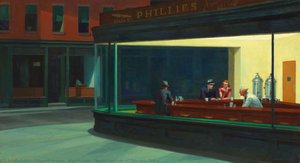
Explore the profound world of Edward Hopper's American realism. Discover the symbolism, themes & enduring legacy of this iconic artist – from 'Nighthawks' to his lesser-known masterpieces. Expert analysis and insights.
Fedezze fel a művészettörténet 10 legikonikusabb rézkarcát! Rembrandt, Goya és más mesterek munkáival gazdagítsa otthonát. Művészeti reprodukciók prémium minőségben – inspirációt és luxus dekorációt kínálunk. Nézze meg a teljes gyűjteményünket a BuyPopArt.com-on!

Fedezze fel az amerikai realizmus 10 legikonikusabb remekművét! Ismerje meg Andrew Wyeth, Edward Hopper és más festők történetét. Múzeumi minőségű reprodukciók otthonra a BuyPopArt kínálatából – inspiráló faliképek és dekorációk online.


Maradjon naprakész a legfrissebb művészeti hírekkel, exkluzív ajánlatokkal és dekorációs ötletekkel.
Írja le nekünk projektjét, és művészeti szakértőink 3 személyre szabott műalkotási javaslatot készítenek Önnek.
Hagyjuk, hogy mi válogassunk ki Önnek 3 legjobb opciót – Ingyenesen!


 Előnézet
 Megosztás
 Megosztás
 Részletek

 Letöltés
 Hasonló alkotások
 X-ray felvétel
 Diavetítés
 Tovább olvasom
 Az üvegkeretes opció csak 110 cm alatti méretben érhető el