

Kézzel festett olajvastú vászon, az Ön által választott méretben és keretben, művészeink készítik meglévőre. ( Nyomat rendelése Kép letöltése)





























Válasszon előre meghatározott méreteink közül, amelyek megfelelnek a műalkotás eredeti arányainak.

Ön megadhat saját méreteket egy adott kerethez vagy térhez igazításhoz. Ha a kiválasztott méret nem egyezik az eredeti kép arányával, akkor a műalkotást levágjuk, vagy további kézzel festett elemekkel meghosszabbítjuk a festményt. A gyártás megkezdése előtt küldünk Önnek egy digitális előnézetet jóváhagyásra.
Kérjük, vegye figyelembe, hogy a képernyőn megjelenő előnézet nem tükrözi a tényleges vágást vagy kiterjesztést. Csak az előnézet fog pontosan mutatni a végső kompozíciót.
Bár egyedi méretek állnak rendelkezésre, javasoljuk, hogy válasszon egy méretet az előre meghatározott listából az eredeti arányok megőrzése érdekében.
Világszerte elérhető szállítás () 3-4 hét alatt a szokásos 5 hét helyett. (24 augusztus). A minőség nem kérdőjelezhető.


Landscape2
Reprodukció mérete
To encounter Fernand Léger’s 1913 masterpiece, Landscape, is to witness the precise moment where the pastoral past collided with the industrial future. This work serves as a profound cornerstone of Cubist aesthetics, capturing a world in transition. While the canvas draws its soul from the rolling greenery of rural Normandy—the artist's own formative landscape—it refuses to remain anchored in mere nostalgia. Instead, Léger orchestrates a deliberate reconciliation between the raw, organic beauty of nature and the burgeoning, rhythmic power of the machine age. It is a visual dialogue that speaks to the tension and the eventual harmony found between the earth and the engine.
The painting’s technique is a masterclass in the Cubist language of fragmentation and reconstruction. Rather than offering a window into a realistic scene, Léger utilizes flattened planes and multiple perspectives to deconstruct familiar elements like trees, buildings, and tracks into a dynamic arrangement of geometric forms. His brushwork possesses a tactile, muscular quality; thick impasto strokes lend a physical weight to the pigment, emphasizing the materiality of the paint itself. This approach does not merely depict a scene but engineers a visual experience, where the movement of a train on its tracks is felt through the very rhythm of the composition.
Beyond its striking geometry, Landscape is rich with the symbolic weight of the early twentieth century. Painted during the height of the Belle Époque, the work anticipates the frenetic energy of Futurism and the bold clarity of Pop Art. The inclusion of architectural structures alongside natural elements is far from decorative; it represents Léger’s deep-seated belief in the coexistence of civilization and the wilderness. Within this fractured landscape, a prominent clock emerges as a poignant symbol, acting as a silent sentinel reminding the viewer of time's relentless, mechanical march against the enduring stillness of the trees.
For the discerning collector or interior designer, this piece offers more than just aesthetic appeal; it provides a focal point of intellectual and emotional depth. The painting’s ability to blend the man-made—such as the sleek, moving train and structured buildings—with the organic creates an atmosphere of "mechanized harmony." It is a work that commands attention in any modern space, inviting contemplation on how technology reshapes our perception of the natural world. Whether viewed as a tribute to industrial progress or a study in structural beauty, Léger’s vision remains a vibrant, high-voltage celebration of modern life that continues to inspire awe and curiosity.
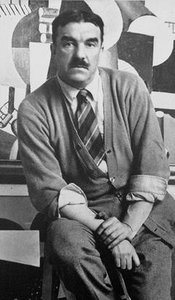
1881 - 1955 , Franciaország
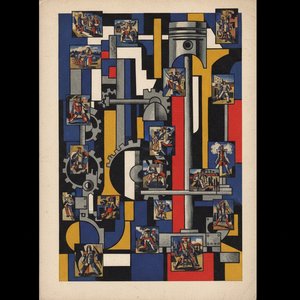
Fedezze fel Fernand Léger 25 legikonikusabb műalkotását! Ismerje meg a kubizmus, a tubizmus mesterét és a gépi kor lenyűgöző festményeit. Múzeumi minőségű vászonképek és poszterek a BuyPopArt-on. Explore the full collection online!

Fedezze fel a 10 legikonikusabb ipari hangulatú műalkotást! Kandinsky, Léger és más mesterek festményeinek története. Szürke árnyalatok, gyári stílus, loft dekoráció inspiráció – mind BuyPopArt-on. Művészeti nyomatok a faladra! Explore the full collection online.

Fedezze fel a romantikus tájképfestészet 10 legikonikusabb műalkotását! Caspar David Friedrich, J.M.W. Turner és más mesterek festményeinek története – inspiráló olajfestmények otthonába. BuyPopArt.com: múzeumi minőségű reprodukciók és egyedi dekorációk online.

Explore the profound geometric mastery of Fernand Léger. Discover how his 'Tubism' and Machine Age aesthetics redefined modern art, offering timeless inspiration for discerning collectors seeking to integrate Cubist dynamism into sophisticated contemporary interiors.

Explore the rich history of landscape art with BuyPopArt. Discover renowned artists, movements like Impressionism & Romanticism, and expert guidance for collecting timeless pieces. Find your perfect serene escape today!


Maradjon naprakész a legfrissebb művészeti hírekkel, exkluzív ajánlatokkal és dekorációs ötletekkel.
Írja le nekünk projektjét, és művészeti szakértőink 3 személyre szabott műalkotási javaslatot készítenek Önnek.
Hagyjuk, hogy mi válogassunk ki Önnek 3 legjobb opciót – Ingyenesen!


 Megtekintés
 Küldés
 Megosztás
 Részletek

 Letöltés
 Hasonló darabok
 X-ray felvétel
 Diavetítés

 Összes részlet megjelenítése







 Az üvegkeretes opció csak 110 cm alatti méretben érhető el


