

 Oil On CanvasWallArtNeo-Expressionism
 1983Contemporary
 280.0 x 450.0 cm
 Kunsthaus Zürich
Kézzel festett olajvastú vászon, az Ön által választott méretben és keretben, művészeink készítik meglévőre. ( Nyomat rendelése Kép letöltése)
Válasszon előre meghatározott méreteink közül, amelyek megfelelnek a műalkotás eredeti arányainak.

Ön megadhat saját méreteket egy adott kerethez vagy térhez igazításhoz. Ha a kiválasztott méret nem egyezik az eredeti kép arányával, akkor a műalkotást levágjuk, vagy további kézzel festett elemekkel meghosszabbítjuk a festményt. A gyártás megkezdése előtt küldünk Önnek egy digitális előnézetet jóváhagyásra.
Kérjük, vegye figyelembe, hogy a képernyőn megjelenő előnézet nem tükrözi a tényleges vágást vagy kiterjesztést. Csak az előnézet fog pontosan mutatni a végső kompozíciót.
Bár egyedi méretek állnak rendelkezésre, javasoljuk, hogy válasszon egy méretet az előre meghatározott listából az eredeti arányok megőrzése érdekében.
Világszerte elérhető szállítás () 3-4 hét alatt a szokásos 5 hét helyett. (16 augusztus). A minőség nem kérdőjelezhető.


Supper in Dresden
Reprodukció mérete
In the vast, commanding expanse of Supper in Dresden, viewers are invited into a world where reality is turned on its head—quite literally. This monumental oil on canvas, stretching over four meters in length, serves as a profound testament to the genius of Georg Baselitz, one of the most provocative voices of the Neo-Expressionist movement. At first glance, the painting presents a chaotic, almost feverish gathering around a long dining table, yet beneath this surface of disarray lies a deeply layered exploration of identity and artistic heritage. The composition oscillates between recognizable figuration and robust, chromatic harmonies, where striking shades of pink, blue, and black collide to create a sense of restless energy that captures the eye and refuses to let go.
The technique employed by Baselitz in this 1983 masterpiece is nothing short of revolutionary. By famously inverting his subjects, he de-emphasizes the literal content of the scene to bring the raw materiality of painting—the brushstroke, the texture, and the color—to the forefront. This deliberate subversion forces the viewer to look past the "what" of the image and instead experience the "how." The central figure, with eyes and mouth agape in a silent, haunting cry, dominates the canvas, acting as an emotional anchor amidst the surrounding figures who seem to drift toward the edges of the frame. This tension between the central focus and the peripheral movement creates a psychological depth that makes the work feel alive, breathing with a nervous, almost agonized vitality.
Beyond its striking visual impact, Supper in Dresden is steeped in historical symbolism and personal reflection. While the motif of a shared meal evokes the sacred tradition of the Last Supper, Baselitz uses this framework to pay homage to the birth of German Expressionism. The painting serves as a spectral gathering of the Die Brücke group; the agitated figure on the left is widely identified as Ernst Ludwig Kirchner, while the commanding central presence represents Karl Schmidt-Rotluff. In a brilliant display of painterly trickery, the figures of Otto Müller and Erich Heckel are merged into a single, shared body, blurring the lines between individual identity and collective artistic spirit. It is a poignant tribute to the roots of a movement that sought to express raw emotion through distorted forms.
For the discerning collector or interior designer, a high-quality reproduction of this work offers more than just a decorative element; it provides a profound conversational centerpiece. The sheer scale and the dramatic interplay of light and shadow make it an ideal choice for grand spaces, such as contemporary galleries, sophisticated lofts, or stately dining rooms. Owning a piece that captures Baselitz’s unique ability to transform historical trauma and artistic rebellion into breathtaking visual poetry allows one to bring a sense of intellectual depth and avant-garde elegance into any environment. It is a work that does not merely decorate a wall—it commands the room, inviting endless contemplation of the beauty found in the upside-down.

1938 -
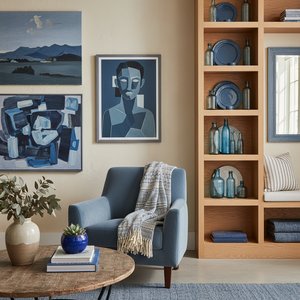
Fedezze fel a 10 legikonikusabb festményt, melyeket a Slate Blue szín ural! Monet, Renoir és más mesterek művei inspirálnak. Vászonképek eladás, otthon dekoráció tippek a BuyPopArt.com-on. Explore the full collection online!
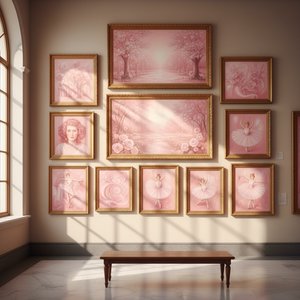
Fedezze fel a 10 legikonikusabb festményt, melyeket a fényrózsaszín varázsa jellemez! Monet-tól Renoir-ig, ismerje meg a művészettörténet e gyönyörű árnyalatainak szerepét. Vászonképek és reprodukciók prémium minőségben – BuyPopArt.com
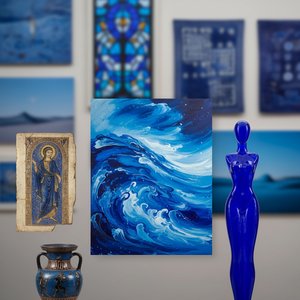
Explore the rich history of blue in art! Discover its symbolism, from ancient pigments to modern masterpieces by Kandinsky & Seurat. Uncover the psychological impact and cultural meanings behind this captivating hue.

Fedezze fel a 10 legikonikusabb festményt, melyeket gombaszínek és barna árnyalatok dominálnak! Ismerje meg Van Gogh, Monet, Rembrandt műveit és inspirálódjon otthon dekorációjához. Museum-minőségű reprodukciók a BuyPopArt.com-on!

Fedezze fel a 10 legikonikusabb homokszínű festményt! Monet, Van Gogh és más mesterek művei inspirálnak. Vászonképek, faliképek otthonába – BuyPopArt.com kínálatából. Explore the full collection online!


Maradjon naprakész a legfrissebb művészeti hírekkel, exkluzív ajánlatokkal és dekorációs ötletekkel.
Írja le nekünk projektjét, és művészeti szakértőink 3 személyre szabott műalkotási javaslatot készítenek Önnek.
Hagyjuk, hogy mi válogassunk ki Önnek 3 legjobb opciót – Ingyenesen!


 Megtekintés
 Küldés
 Megosztás
 Részletek

 Letöltés
 Hasonló darabok
 X-ray felvétel
 Diavetítés
 Összes részlet megjelenítése




































 Az üvegkeretes opció csak 110 cm alatti méretben érhető el


