Múzeumi minőségű giclée vagy vászonnyomat, gyors gyártással és rugalmas finomítási lehetőségekkel. ( Kézzel festett másolat rendelése Kép letöltése)





























Válasszon előre meghatározott méreteink közül, amelyek megfelelnek a műalkotás eredeti arányainak.

Megadhat saját méreteket is egy konkrét kerethez vagy helyszínhez igazítva. Amennyiben a kiválasztott méret nem egyezik az eredeti kép arányokkal, a műalkotást le fogjuk vágni, vagy kiegészítjük a képet tükrözött vagy egyszínű szélekkel. A gyártás megkezdése előtt egy digitális tervezetet küldünk jóváhagyásra.
Kérjük, vegye figyelembe, hogy a képernyőn látható előnézet nem tükrözi a tényleges levágást vagy kiegészítést. Csak a tervezet mutatja pontosan a végső kompozíciót.
Bár az egyedi méretek is elérhetőek, az eredeti arányok megőrzése érdekében azt javasoljuk, hogy válasszon a előre meghatározott listából származó méretet.
Világszerte történő kiszállítás területére mindössze 2 hét alatt, a szokásos 4-5 hét helyett. (20 augusztus)


Saint Christopher
Reprodukció mérete
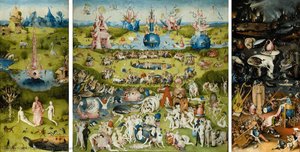
Hieronymus Bosch’s “Saint Christopher Carrying the Christ Child” stands as a haunting testament to the anxieties of late medieval Europe, rendered in his signature style—a meticulously detailed depiction brimming with unsettling symbolism that continues to fascinate scholars and artists alike. Painted sometime between 1490 and 1516 during Bosch's prolific artistic output, this monumental artwork transcends mere religious iconography; it delves into profound psychological explorations of morality, temptation, and the human condition.
Bosch’s genius lies not merely in his technical prowess but also in his masterful use of symbolism. The three birds circling above represent various aspects of human nature—one perched on a skull signifies mortality, another embodies temptation and deceit, while the third symbolizes divine grace. These avian figures are strategically positioned to dominate the visual field, emphasizing the omnipresent influence of spiritual forces.
"Saint Christopher Carrying the Christ Child" compels viewers to confront uncomfortable truths about human morality and spiritual aspiration. Bosch's unsettling depiction evokes a visceral reaction—a blend of fascination, apprehension, and profound contemplation. The artwork’s beauty resides precisely in its disturbing quality, prompting reflection on themes of suffering, redemption, and the eternal struggle between good and evil.
This extraordinary piece continues to inspire artists and scholars alike, cementing Bosch's place as one of the most influential figures in European art history. Its enduring power stems from Bosch’s ability to distill complex theological concepts into unforgettable visual imagery—a testament to his unparalleled artistic vision.
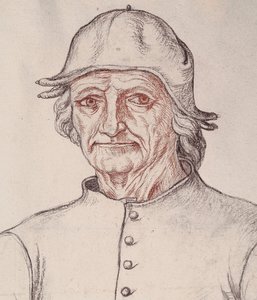
1450 - 1516 , Holland
Fedezze fel Hieronymus Bosch 25 leglenyűgözőbb művészeti alkotását! Ismerje meg a középkori mester szürrealista világát, a vallásos szimbólumokat és a festmények mögött rejlő történeteket. Vászonképek, reprodukciók – BuyPopArt.com

Explore the captivating world of Hieronymus Bosch! Delve into the symbolism, religious context, and artistic innovation of this Netherlandish master with BuyPopArt's expert analysis. Discover his iconic paintings & lasting influence.

Journey through High Medieval Art! Explore 10 iconic masterpieces – from Giotto's frescoes to stunning Gothic cathedrals. Discover the stories behind these timeless paintings, sculptures & illuminated manuscripts. Find museum-quality art reproductions at BuyPopArt.com.

Journey through 10 defining Late Medieval masterpieces – from Giotto's frescoes to Jan van Eyck’s realism. Explore the stories, techniques & vibrant colors of Gothic art. Find museum-quality reproductions and elevate your home decor with BuyPopArt.com! Discover all masterpieces on BuyPopArt.com
Fedezze fel a Prado múzeum 25 legikonikusabb műalkotását! Velázquez, Goya, El Greco és más spanyol mesterek történeteit olvassa el. Vászonképek, barokk festmények, luxus otthoni dekorációk – inspirálódjon BuyPopArt.com-on!


Maradjon naprakész a legfrissebb művészeti hírekkel, exkluzív ajánlatokkal és dekorációs ötletekkel.
Írja le nekünk projektjét, és művészeti szakértőink 3 személyre szabott műalkotási javaslatot készítenek Önnek.
Hagyjuk, hogy mi válogassunk ki Önnek 3 legjobb opciót – Ingyenesen!


 Megtekintés
 Küldés
 Megosztás
 Részletek

 Letöltés
 Hasonló darabok
 X-ray felvétel
 Diavetítés
 Összes részlet megjelenítése







 Az üvegkeretes opció csak 110 cm alatti méretben érhető el