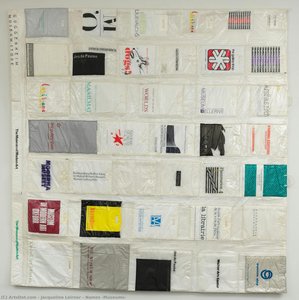
Kézzel festett olajvastú vászon, az Ön által választott méretben és keretben, művészeink készítik meglévőre. ( Nyomat rendelése Kép letöltése)
Válasszon előre meghatározott méreteink közül, amelyek megfelelnek a műalkotás eredeti arányainak.

Ön megadhat saját méreteket egy adott kerethez vagy térhez igazításhoz. Ha a kiválasztott méret nem egyezik az eredeti kép arányával, akkor a műalkotást levágjuk, vagy további kézzel festett elemekkel meghosszabbítjuk a festményt. A gyártás megkezdése előtt küldünk Önnek egy digitális előnézetet jóváhagyásra.
Kérjük, vegye figyelembe, hogy a képernyőn megjelenő előnézet nem tükrözi a tényleges vágást vagy kiterjesztést. Csak az előnézet fog pontosan mutatni a végső kompozíciót.
Bár egyedi méretek állnak rendelkezésre, javasoljuk, hogy válasszon egy méretet az előre meghatározott listából az eredeti arányok megőrzése érdekében.
Világszerte elérhető szállítás () 3-4 hét alatt a szokásos 5 hét helyett. (14 augusztus). A minőség nem kérdőjelezhető.


Kailash #75
Reprodukció mérete
Kenro Izu stands as a singular figure in contemporary photography, distinguished by his masterful use of platinum printing—a technique that imbues his images with an unparalleled luminosity and textural depth. Born in Osaka, Japan, in 1949, Izu’s artistic journey began amidst the burgeoning postwar landscape of Japan, fostering a deep appreciation for both tradition and innovation. He pursued formal studies at Nihon University in Tokyo, honing his observational skills and establishing a foundation for his future explorations into visual storytelling. Moving to New York City in 1972 marked a pivotal moment, propelling him into the heart of the photographic avant-garde. It was here that he cultivated collaborations with influential artists and designers, solidifying his reputation as a skilled craftsman and developing an eye for capturing moments of profound beauty and melancholic contemplation.
However, Izu’s true passion lay in documenting the vestiges of ancient civilizations—a pursuit that would define his artistic legacy. Beginning in 1979, he embarked on what has become a lifelong project: photographing monumental sites across the globe, notably Angkor Wat in Cambodia and Pompeii in Italy. Unlike conventional photography striving for crisp detail, Izu’s approach prioritized capturing the essence of these places—their spiritual significance alongside their inevitable deterioration. He achieved this remarkable feat through extended exposures, allowing subtle shifts in light and shadow to reveal hidden textures and imbue his prints with an ethereal glow. This technique isn't merely a stylistic choice; it reflects Izu’s philosophical conviction that beauty resides not only in perfection but also in the acceptance of time’s passage and the preservation of cultural memory.
The technical mastery behind Izu's work is as profound as its spiritual intent. Inspired by the platinum prints of Paul Strand, Izu adopted a complex contact-printing process using Platinum/Palladium on an ultra-large format camera. Using a custom-built, three-hundred-pound Deardorff camera, he captures the subtle nuances of light that define sacred spaces. His lens has traveled through Egypt, Syria, Jordan, Mexico, and France, yet his most enduring impact is felt in his documentation of Buddhist and Hindu monuments across Southeast Asia, including Burma, Indonesia, and Vietnam. Through these images, he explores the dichotomy between massive, enduring stone structures and the delicate, transient nature of human existence.
His recent explorations have expanded beyond ancient ruins to capture the living pulse of humanity and the weight of cultural heritage:
Beyond the darkroom, Kenro Izu’s life is defined by a profound humanitarian spirit. In 1996, he founded Friends Without a Border, an organization dedicated to raising funds for children’s hospitals in Cambodia. This commitment to healing and protection mirrors the care he takes with his photographic subjects; just as he seeks to preserve cultural memory through his prints, he seeks to protect innocent lives through his philanthropy. Profits from select print sales and his evocative books are often donated to this cause, bridging the gap between fine art and social responsibility.
The significance of Izu's work lies in its ability to suspend time. His images do not merely record history; they evoke a sense of mono no aware—the pathos of things, or a sensitivity to ephemera. For his dedication to both the photographic arts and humanitarian efforts, he has received numerous prestigious honors, including the Lucie Awards’ Visionary Photographer award, the Guggenheim Fellowship, and the World of Children Award. His work remains a vital testament to the enduring power of the sacred, reminding us that even in decay, there is a magnificent, eternal light.

1949 - , Japan


Maradjon naprakész a legfrissebb művészeti hírekkel, exkluzív ajánlatokkal és dekorációs ötletekkel.
Írja le nekünk projektjét, és művészeti szakértőink 3 személyre szabott műalkotási javaslatot készítenek Önnek.
Hagyjuk, hogy mi válogassunk ki Önnek 3 legjobb opciót – Ingyenesen!


 Megtekintés
 Küldés
 Megosztás
 Részletek

 Letöltés
 Hasonló darabok
 X-ray felvétel
 Diavetítés
 Összes részlet megjelenítése




































 Az üvegkeretes opció csak 110 cm alatti méretben érhető el