

 Acrylic On CanvasWallArtNeoclassical Realism
 1778
1778 123.0 x 172.0 cm
 Musée Fabre
Kézzel festett olajvastú vászon, az Ön által választott méretben és keretben, művészeink készítik meglévőre. ( Váltás nyomtatványra Képváltás)
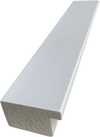
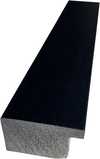
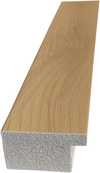
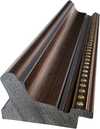
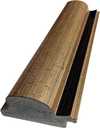
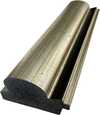
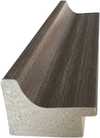
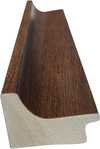
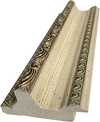

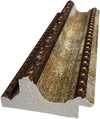
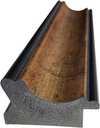
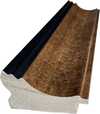


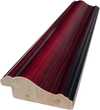
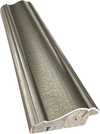


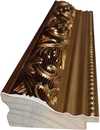
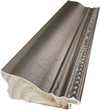

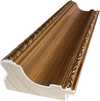
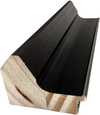
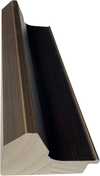
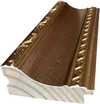

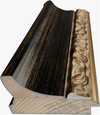
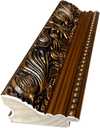
Válasszon előre meghatározott méreteink közül, amelyek megfelelnek a műalkotás eredeti arányainak.

Ön megadhat saját méreteket egy adott kerethez vagy térhez igazításhoz. Ha a kiválasztott méret nem egyezik az eredeti kép arányával, akkor a műalkotást levágjuk, vagy további kézzel festett elemekkel meghosszabbítjuk a festményt. A gyártás megkezdése előtt küldünk Önnek egy digitális előnézetet jóváhagyásra.
Kérjük, vegye figyelembe, hogy a képernyőn megjelenő előnézet nem tükrözi a tényleges vágást vagy kiterjesztést. Csak az előnézet fog pontosan mutatni a végső kompozíciót.
Bár egyedi méretek állnak rendelkezésre, javasoljuk, hogy válasszon egy méretet az előre meghatározott listából az eredeti arányok megőrzése érdekében.
Világszerte elérhető szállítás () 3-4 hét alatt a szokásos 5 hét helyett. (1 augusztus). A minőség nem kérdőjelezhető.


Hector
A reprodukció mérete
Jacques-Louis David's *Hector*, painted in 1778, is not merely a depiction of a fallen warrior; it’s a profound meditation on death, duty, and the burgeoning moral anxieties of late 18th-century France. This arresting image, rendered with the meticulous precision characteristic of David’s Neoclassical style, immediately confronts the viewer with a scene of brutal realism juxtaposed against an almost unnerving stillness. The subject, identified as Hector from Virgil's *Aeneid*, lies prone on the ground, his naked body a stark canvas for the crimson stain of blood – a visceral reminder of violent conflict and irreversible loss. The composition is deliberately austere, dominated by the figure’s physicality and the surrounding landscape, stripped of extraneous detail to amplify the emotional intensity.
David's mastery of Neoclassicism shines through in *Hector*. He consciously rejected the frivolous ornamentation of Rococo painting, favoring instead a structured composition rooted in classical ideals. The figure is positioned centrally within a shallow space, drawing immediate attention to his vulnerability. Notice how David employs dramatic chiaroscuro – the stark contrast between light and shadow – to sculpt the body, emphasizing its musculature and highlighting the wounds inflicted upon it. This technique wasn’t simply for aesthetic effect; it served to heighten the sense of pathos and underscore the tragic nature of Hector's demise. The carefully chosen rocks scattered around him aren’t decorative elements but rather anchors within this scene, grounding the figure in a desolate reality.
*Hector* is deeply layered with symbolic meaning, drawing heavily from classical mythology but resonating powerfully within the context of 1778 France. As a hero felled in battle, Hector embodies duty, honor, and sacrifice—values increasingly scrutinized during an era marked by social unrest and philosophical debate. The bowl placed near his hand isn’t simply a prop; it subtly suggests a final offering, perhaps to the gods or a plea for mercy – a poignant detail that amplifies the sense of helplessness. The reference to Virgil's *Aeneid* was particularly relevant at the time, as the epic poem explored themes of leadership, fate, and the responsibilities of rulers—topics that would soon become central to the revolutionary discourse.
Beyond its technical brilliance, *Hector* possesses a haunting emotional resonance. The painting doesn’t glorify war; it confronts us with its brutal consequences. The vulnerability of the fallen hero evokes empathy and prompts reflection on mortality and the fragility of human life. It's a work that speaks to the anxieties simmering beneath the surface of 18th-century France, an era poised on the brink of revolution. David’s *Hector* is more than just a historical painting; it’s a powerful statement about human nature, duty, and the enduring legacy of classical ideals—a timeless masterpiece rendered with unparalleled skill and profound emotional depth. A reproduction captures this intensity beautifully, offering a window into the mind of one of history's most influential artists.
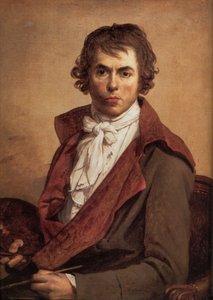
1748 - 1800 , Franciaország

Explore the life & art of Jacques-Louis David, leading Neoclassical painter of the French Revolution. Discover iconic works like 'The Death of Marat' and his lasting impact on art history. Expert analysis & high-quality reproductions at BuyPopArt.

Explore the captivating world of Anne-Louis Girodet, a pivotal figure bridging Neoclassicism & Romanticism. Discover his masterpieces and unique artistic vision with BuyPopArt.

Explore the captivating world of Neoclassical portraiture! Discover the power & ideals behind masterpieces by David, Girodet & more. Expert analysis, custom reproductions & art appraisal at BuyPopArt.

Fedezze fel a neoklasszicizmus 10 legikonikusabb műalkotását! Jacques-Louis David, Ingres és Canova remekművei elmesélnek egy korszakot. Múzeumi minőségű reprodukciók otthonába a BuyPopArt.com kínálatából – inspirációt és eleganciát nyújtunk. Böngésszen online!

Explore the revival of classical art with our deep dive into Neoclassicism! Discover key artists like Jacques-Louis David, Enlightenment influences & lasting impact on art history. Learn more now.


Maradjon naprakész a legfrissebb művészeti hírekkel, exkluzív ajánlatokkal és dekorációs ötletekkel.
Írja le nekünk projektjét, és művészeti szakértőink 3 személyre szabott műalkotási javaslatot készítenek Önnek.
Hagyjuk, hogy mi válogassunk ki Önnek 3 legjobb opciót – Ingyenesen!


 Előnézet
 Megosztás
 Megosztás
 Részletek

 Letöltés
 Hasonló alkotások
 X-ray felvétel
 Diavetítés
 Tovább olvasom

 Az üvegkeretes opció csak 110 cm alatti méretben érhető el


