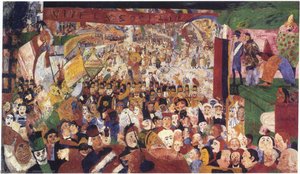
Kézzel festett olajvastú vászon, az Ön által választott méretben és keretben, művészeink készítik meglévőre. ( Nyomat rendelése Kép letöltése)





























Válasszon előre meghatározott méreteink közül, amelyek megfelelnek a műalkotás eredeti arányainak.

Ön megadhat saját méreteket egy adott kerethez vagy térhez igazításhoz. Ha a kiválasztott méret nem egyezik az eredeti kép arányával, akkor a műalkotást levágjuk, vagy további kézzel festett elemekkel meghosszabbítjuk a festményt. A gyártás megkezdése előtt küldünk Önnek egy digitális előnézetet jóváhagyásra.
Kérjük, vegye figyelembe, hogy a képernyőn megjelenő előnézet nem tükrözi a tényleges vágást vagy kiterjesztést. Csak az előnézet fog pontosan mutatni a végső kompozíciót.
Bár egyedi méretek állnak rendelkezésre, javasoljuk, hogy válasszon egy méretet az előre meghatározott listából az eredeti arányok megőrzése érdekében.
Világszerte elérhető szállítás () 3-4 hét alatt a szokásos 5 hét helyett. (15 augusztus). A minőség nem kérdőjelezhető.


Figure reveche
Reprodukció mérete
James Ensor’s “Figure Reveche,” completed in 1889, stands as a cornerstone of Expressionist painting and a haunting meditation on identity and concealment. More than just a depiction of a man seated in a chair—though the chair itself is deliberately positioned to dominate the composition—the canvas pulsates with unsettling psychological depth, reflecting Ensor’s profound preoccupation with themes of masks, repression, and the anxieties inherent in modern life.
Ensor eschewed academic conventions entirely, prioritizing a visceral response to his subject matter over meticulous realism. He employed thick impasto brushstrokes—a technique characteristic of Expressionism—to build up textured surfaces that convey palpable emotion. The palette is muted yet unsettling, dominated by earthy browns and ochres punctuated by flashes of crimson and yellow, mirroring the psychological turmoil simmering beneath the surface.
Painted during a period marked by burgeoning industrialization and social upheaval in Belgium—and Europe more broadly— “Figure Reveche” captures the zeitgeist of its time. Ensor’s artistic vision aligns powerfully with the broader intellectual currents of Symbolism and Impressionism, reacting against the prevailing optimism of the Belle Époque. The painting speaks to a growing awareness of psychological complexities and the fragmentation of selfhood – concerns that would become central to subsequent artistic movements.
The title itself— “Figure Reveche”—translates to “Revealed Face,” hinting at the paradoxical nature of Ensor’s portrayal. The man's gaze is direct, confrontational, yet simultaneously averted; he wears a mask – not merely literal but symbolic – concealing his inner thoughts and emotions. This deliberate ambiguity underscores Ensor’s exploration of psychological repression and the difficulty of achieving genuine self-awareness. Furthermore, the floral wallpaper serves as an ironic counterpoint to the man's solemn demeanor, representing beauty and tranquility juxtaposed against the pervasive sense of unease.
"Figure Reveche" isn’t merely a portrait; it’s an invitation to contemplate the darker recesses of human consciousness. Ensor's masterful manipulation of color, texture, and composition compels viewers to confront uncomfortable truths about vulnerability and concealment. The painting lingers in the mind long after viewing, prompting reflection on the masks we wear daily and the anxieties that underpin our perceptions of reality—a testament to Ensor’s enduring legacy as a visionary artist who dared to explore the shadowed landscapes of the human psyche.
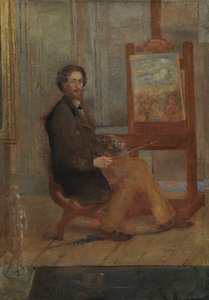
1860 - 1949 , Belgium

Fedezze fel Sir Alfred James Munnings 25 legszebb festményét! Ismerje meg a vidéki Anglia és a lovak mesterének életművét, technikáját és inspirációit. Vásároljon exkluzív reprodukciókat a BuyPopArt.com-on – múzeumi minőségben!

Explore the unsettling yet captivating world of James Ensor, a pioneer of Expressionism. Discover his satirical masterpieces, symbolic imagery & lasting influence on modern art. High-quality reproductions available at BuyPopArt.
Fedezze fel James Abbott McNeill Whistler 25 legszebb művét! Ismerje meg a Nocturnok, portrék és az amerikai impresszionizmus mesterét. Elegáns faliképek otthonába – BuyPopArt.com kínálatából. Böngésszen online!

Galéria-minőségű olajfestmény másolatok kézzel festve, a mesterek technikáival! Pontos reprodukciók, egyedi rendelés, prémium minőség. Biztonságos vásárlás és szakértői tanácsadás a BuyPopArt-on!

Fedezze fel a digitális festészet és fotónyomatok új világát! Prémium minőségű alkotások, egyedi rendelés, kínai festészeti inspiráció. Szakértői tanácsadással segítünk tökéletes műalkotást találni otthonába vagy ajándékba.


Maradjon naprakész a legfrissebb művészeti hírekkel, exkluzív ajánlatokkal és dekorációs ötletekkel.
Írja le nekünk projektjét, és művészeti szakértőink 3 személyre szabott műalkotási javaslatot készítenek Önnek.
Hagyjuk, hogy mi válogassunk ki Önnek 3 legjobb opciót – Ingyenesen!


 Megtekintés
 Küldés
 Megosztás
 Részletek

 Letöltés
 Hasonló darabok
 X-ray felvétel
 Diavetítés
 Összes részlet megjelenítése







 Az üvegkeretes opció csak 110 cm alatti méretben érhető el