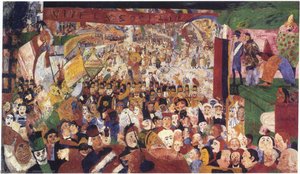
Múzeumi minőségű giclée vagy vászonnyomat, gyors gyártással és rugalmas finomítási lehetőségekkel. ( Kézzel festett másolat rendelése Kép letöltése)





























Válasszon előre meghatározott méreteink közül, amelyek megfelelnek a műalkotás eredeti arányainak.

Megadhat saját méreteket is egy konkrét kerethez vagy helyszínhez igazítva. Amennyiben a kiválasztott méret nem egyezik az eredeti kép arányokkal, a műalkotást le fogjuk vágni, vagy kiegészítjük a képet tükrözött vagy egyszínű szélekkel. A gyártás megkezdése előtt egy digitális tervezetet küldünk jóváhagyásra.
Kérjük, vegye figyelembe, hogy a képernyőn látható előnézet nem tükrözi a tényleges levágást vagy kiegészítést. Csak a tervezet mutatja pontosan a végső kompozíciót.
Bár az egyedi méretek is elérhetőek, az eredeti arányok megőrzése érdekében azt javasoljuk, hogy válasszon a előre meghatározott listából származó méretet.
Világszerte történő kiszállítás területére mindössze 2 hét alatt, a szokásos 4-5 hét helyett. (18 augusztus)


La dame en bleu
Reprodukció mérete
James Ensor’s “La Dame en Bleu,” or “The Blue Lady,” stands as a cornerstone of Expressionist art, capturing not merely an image but a profound psychological state. Painted around 1874 and currently housed in the National Museum Cardiff, this portrait transcends mere representation; it delves into themes of isolation, contemplation, and unsettling beauty—elements characteristic of Ensor’s distinctive artistic vision.
“La Dame en Bleu” firmly establishes Ensor within the burgeoning Expressionist movement, rejecting Impressionistic ideals of objective observation in favor of subjective emotional response. Unlike Renoir’s luminous depictions of Parisian life, Ensor eschews polished surfaces and vibrant colors for a darker palette—a deliberate choice designed to convey inner turmoil.
Ensor's technique is characterized by thick impasto brushstrokes that lend texture and physicality to the canvas. These bold strokes capture not only the visual appearance of the woman but also the artist’s palpable preoccupation with conveying psychological depth. The meticulous rendering of fabrics—particularly the dress—demonstrates Ensor’s dedication to capturing subtle nuances of form and color.
Painted in 1874, “La Dame en Bleu” emerged during a period of artistic ferment as Impressionism wrestled with its legacy. Artists like Renoir were pushing boundaries, experimenting with new approaches to capturing light and atmosphere—yet Ensor deliberately rejected these conventions, prioritizing emotional intensity over aesthetic beauty.
Ensor’s rejection of academic formalism resonated deeply with the avant-garde sensibilities of his time. He was a pioneer in exploring unsettling imagery and confronting uncomfortable truths about human psychology—a bold stance that cemented his position as one of the most influential figures in early 20th-century art.
"La Dame en Bleu" compels viewers to confront questions of identity, vulnerability, and the complexities of human experience. The woman’s gaze—direct yet distant—suggests a profound awareness of her surroundings while simultaneously maintaining an inner world untouched by external pressures. Ensor's masterful use of color and texture contributes to this unsettling effect, inviting contemplation on themes of isolation and psychological resilience.
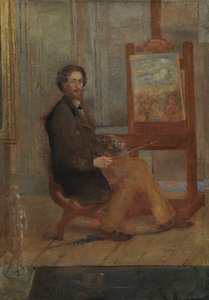
1860 - 1949 , Belgium

Unleash raw emotion in your space. Explore the high-impact world of Expressionism through BuyPopArt.com’s premium hand-painted oil reproductions and custom photo transformations. Bold, confident, and curated for those who live for visual impact. Shop the revolution today!


Maradjon naprakész a legfrissebb művészeti hírekkel, exkluzív ajánlatokkal és dekorációs ötletekkel.
Írja le nekünk projektjét, és művészeti szakértőink 3 személyre szabott műalkotási javaslatot készítenek Önnek.
Hagyjuk, hogy mi válogassunk ki Önnek 3 legjobb opciót – Ingyenesen!


 Megtekintés
 Küldés
 Megosztás
 Részletek

 Letöltés
 Hasonló darabok
 X-ray felvétel
 Diavetítés
 Összes részlet megjelenítése







 Az üvegkeretes opció csak 110 cm alatti méretben érhető el