Nyomat vásárlása Nyomat vásárlásaKép letöltése Kép letöltése MegosztásMegosztás
RészletekRészletek Kedvencekhez ad Kedvencekhez ad LetöltésLetöltés Hasonló alkotásokHasonló alkotások X-ray felvételX-ray felvétel DiavetítésDiavetítés

Flamingo Capsule

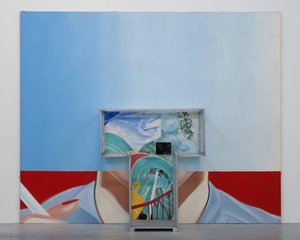
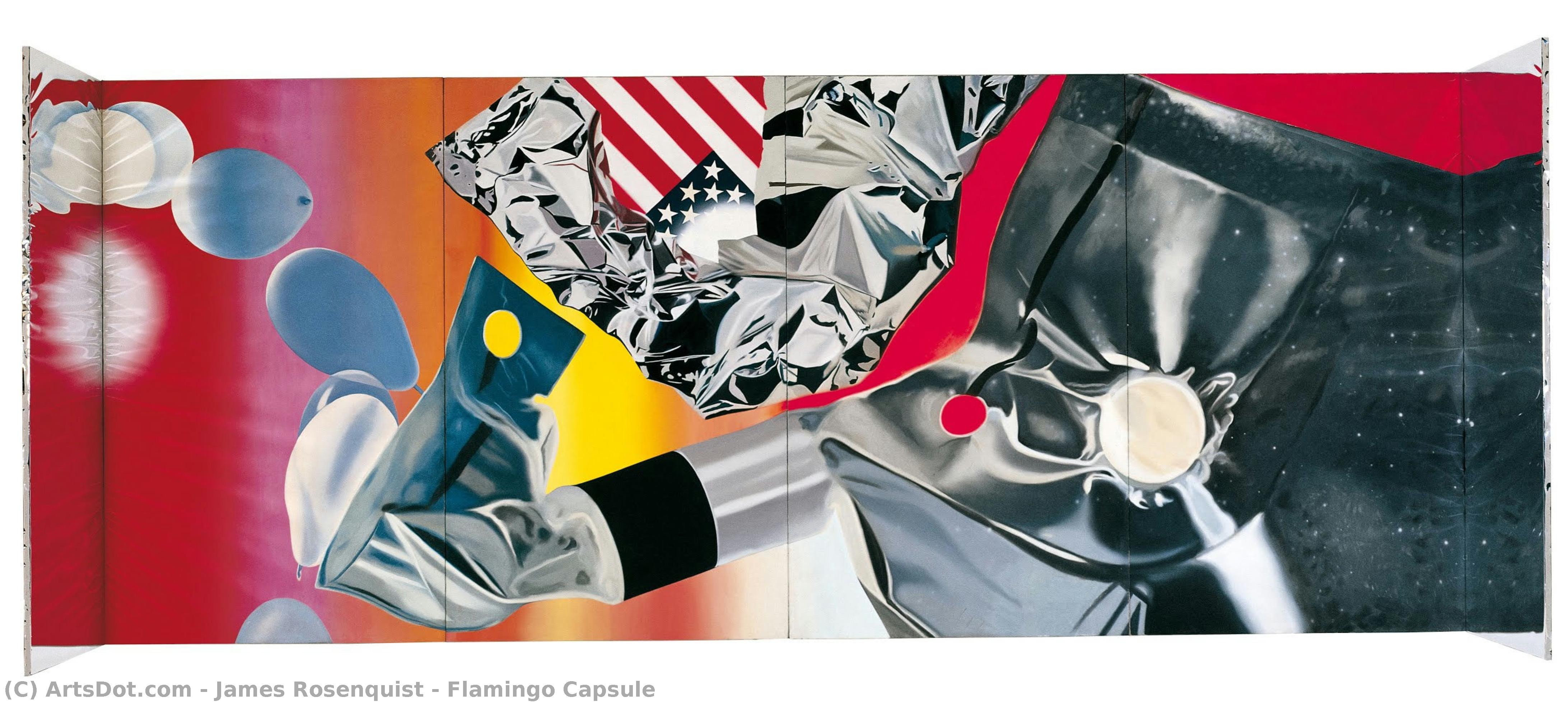
James Rosenquist’s *Flamingo Capsule* (1970) is a striking canvas featuring a flamingo encased in aluminum foil, alongside balloons, a food bag, and a flag uniform. Measuring over 26 meters long, this artwork embodies Pop Art's fascination with technology and space exploration while presenting an enigmatic composition.

Fedezd fel James Rosenquist amerikai művészt! Megismerkedj nagy távolságokra mélyült festményeivel és az amerikai kultúra szürreális képei által alkotott látványos történetével.

Kézzel készített olajfestmény reprodukció

Kézzel festett olajvastú vászon, az Ön által választott méretben és keretben, művészeink készítik meglévőre.
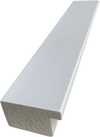
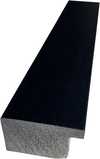
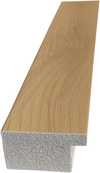
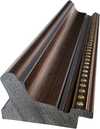
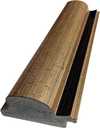
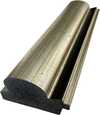
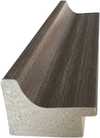
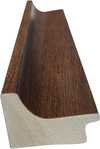
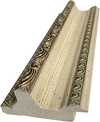
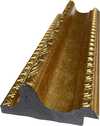
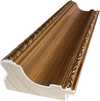
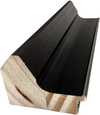
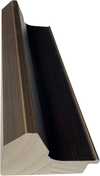
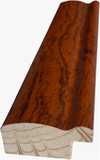
P118B $10
P118H $10
P118W $10
P438Z $10
P508JH $12
P508YH $12
P805H $10
P805Z $10
P919BZ $10
P919G $10
P919XJ $10
P959ZH $10
P968JZ $12
W106C $8
W218G $10
W218JH $8
W218Y $10
W307PJ $10
W316G $10
W316PJ $8
W316Y $10
W398PJ $8
W4111J $10
W500HY $15
W500JH $15
W692G $12
W849H $8
W940BG $15
W953PJ $8

Standard
custom
CM
INCH

Válasszon előre meghatározott méreteink közül, amelyek megfelelnek a műalkotás eredeti arányainak.

szélesség
magasság

Ön megadhat saját méreteket egy adott kerethez vagy térhez igazításhoz. Ha a kiválasztott méret nem egyezik az eredeti kép arányával, akkor a műalkotást levágjuk, vagy további kézzel festett elemekkel meghosszabbítjuk a festményt. A gyártás megkezdése előtt küldünk Önnek egy digitális előnézetet jóváhagyásra.
Kérjük, vegye figyelembe, hogy a képernyőn megjelenő előnézet nem tükrözi a tényleges vágást vagy kiterjesztést. Csak az előnézet fog pontosan mutatni a végső kompozíciót.
Bár egyedi méretek állnak rendelkezésre, javasoljuk, hogy válasszon egy méretet az előre meghatározott listából az eredeti arányok megőrzése érdekében.

Példák arra, mit lehet módosítani: az arc kicserélése az ügyfél fotójára; háziállat hozzáadása (pl. macska helyett kutya); rejtett üzenet elhelyezése a háttérben; a háttér tájának vagy elemeinek megváltoztatása.
A rendelést követően a BuyPopArt.com csapata e-mailt küld az ügyfélnek az instrukciókért, és biztosít egy előnézeti képet (mockup).

Világszerte elérhető szállítás () 3-4 hét alatt a szokásos 5 hét helyett. (16 július). A minőség nem kérdőjelezhető.

why_choose_icon
Ingyenes globális expressz szállítás
why_choose_icon
Prémium minőségű len vászon
why_choose_icon
Teljes szállítási biztosítás
why_choose_icon
Vámvisszatérítési Garancia
why_choose_icon
Tökéletes színpontosság garancia
why_choose_icon
60 napos visszaküldési lehetőség (csak gyártási hibák esetén)
why_choose_icon
100%-os pénzvisszatérítési garancia
why_choose_icon
Kedvezmény több termény esetén

Összesen

-

reproduction

Flamingo Capsule

Reprodukciós technika

A reprodukció mérete

-

Összesített ár

-

Művészeti kvíz

Minden kérdésre csak egy helyes válasz létezik.

Kérdés 1:
What artistic movement is James Rosenquist primarily associated with?
Kérdés 2:
The painting *Flamingo Capsule* commemorates a significant event in American history.
Kérdés 3:
What material is used to create the end panels of *Flamingo Capsule*, enhancing its visual impact?
Kérdés 4:
The composition of *Flamingo Capsule* reflects Rosenquist's fascination with:
Kérdés 5:
What is the overall stylistic approach of James Rosenquist?

A műalkotás leírása

Flamingo Capsule: A Monumental Reflection on Tragedy and Technological Ambition

James Rosenquist’s *Flamingo Capsule*, completed in 1970, stands as a striking testament to the artist's fascination with both the mundane realities of American culture—specifically advertising—and the profound implications of space exploration. Measuring an impressive 290 x 701 x 98.5 cm, this monumental canvas commands attention and invites contemplation on themes of loss, resilience, and the relentless march of progress. Rosenquist’s approach to artmaking was deliberately antithetical to the prevailing Abstract Expressionist movement; he eschewed spontaneity for meticulous planning, employing techniques borrowed from sign painting—a craft rooted in precision and repetition—to create a visual language that simultaneously celebrates and critiques the dominant aesthetic sensibilities of his time.
  • Style: Rosenquist’s work embodies New Realism, rejecting illusionistic representation in favor of fragmented imagery and collage-like compositions. This stylistic choice aligns with his broader interest in blurring the boundaries between art and everyday life, mirroring the pervasive influence of commercial culture on the visual landscape.
  • Technique: The painting utilizes oil paint on canvas combined with aluminized Mylar panels—a material commonly employed in aerospace applications—to achieve a remarkable textural effect. Rosenquist meticulously applied pigment to create layered surfaces that capture subtle variations in color and tone, while the aluminized Mylar adds reflectivity, extending the visual scope of the artwork beyond its physical dimensions.
  • Historical Context: *Flamingo Capsule* emerged during a period marked by intense optimism regarding space exploration following Sputnik’s launch in 1957. Rosenquist deliberately referenced this pivotal moment in history—the tragic Apollo 1 fire—incorporating imagery associated with NASA and the American flag into his composition.
The artwork's visual narrative is characterized by a deliberate juxtaposition of disparate elements: crumpled foil bearing the emblem of the United States Air Force, a distorted food bag, and a balloon drifting upwards against a fiery red and yellow backdrop. These objects are not merely decorative additions; they serve as symbolic representations of various facets of American society—military might, consumerism, and aspiration—all rendered in monumental scale. Rosenquist’s masterful manipulation of perspective and color contributes to the painting's unsettling yet captivating atmosphere, prompting viewers to confront questions about mortality, ambition, and the precariousness of human endeavor. Symbolism: The flamingo itself is a recurring motif in Rosenquist’s oeuvre, representing both beauty and vulnerability—a paradoxical emblem that encapsulates his artistic preoccupation with confronting uncomfortable truths amidst dazzling visual spectacle. The aluminized Mylar panels amplify this duality, reflecting not only the painted surface but also mirroring the viewer's gaze, thereby inviting an active engagement with the artwork’s emotional core. Emotional Impact: *Flamingo Capsule* transcends mere aesthetic appreciation; it compels viewers to contemplate the complexities of human experience—the collision between dreams of grandeur and the inevitability of loss. Rosenquist’s deliberate fragmentation of imagery forces us to confront unsettling realities while simultaneously celebrating the enduring power of artistic innovation. It remains a poignant reminder that even amidst technological advancement, we are fundamentally tethered to our own mortality and burdened by the responsibility to grapple with profound existential questions.
  • Recommended Reproduction Size: For optimal visual impact, consider reproducing *Flamingo Capsule* in a large format—approximately 30 x 60 inches—to capture the painting’s monumental scale and textural richness.
  • Interior Design Considerations: The artwork's bold color palette and dynamic composition lend themselves particularly well to contemporary interior spaces characterized by minimalist aesthetics and geometric forms.
Ultimately, James Rosenquist’s *Flamingo Capsule* stands as a timeless masterpiece—a compelling fusion of artistic vision, technical prowess, and intellectual engagement that continues to resonate with audiences today.

A művész életrajza

James Rosenquist: A Pioneer of Pop Art and Surrealist Collage

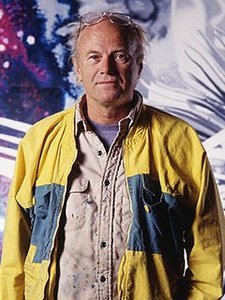
James Rosenquist (1933 – 2017) stands as one of the most distinctive voices in American art, particularly within the burgeoning Pop Art movement of the mid-1960s. Though he resisted categorization—declaring himself “not a pop artist”—Rosenquist’s groundbreaking approach to visual storytelling irrevocably altered perceptions of artistic expression and cemented his place among the luminaries shaping contemporary culture. Born in Grand Forks, North Dakota, into Swedish immigrant parents who embraced nomadic exploration for work, Rosenquist's formative years instilled within him an inherent fascination with movement and a unique perspective on imagery—a sensibility that would become central to his artistic vision. Early Artistic Influences and Training Rosenquist’s initial exposure to art began in junior high school when he secured a scholarship to the Minneapolis School of Art, where he honed foundational skills in drawing and painting under the tutelage of Edwin Dickinson and George Grosz—artists who championed abstraction alongside realism. This grounding in both disciplines proved invaluable as he pursued his undergraduate studies at the University of Minnesota (1952-1954), further refining his technique and broadening his artistic horizons. Crucially, Rosenquist’s decision to relocate to New York City in 1955—supported by another Art Students League scholarship—placed him squarely within the epicenter of artistic innovation and cemented his connection with influential figures like Jackson Pollock and Mark Rothko. The Billboard Years: Mastering Scale and Commercial Technique Rosenquist's career took an unexpected turn when he accepted a position as chauffeur, providing him with practical experience alongside his burgeoning artistic ambitions. However, it was his work creating billboards for Artkraft-Strauss in Times Square from 1957 to 1960 that truly revolutionized his artistic process. This immersive engagement with large-scale commercial art—characterized by bold colors, fragmented imagery, and persuasive design—equipped him with unparalleled mastery of scale, composition, and color manipulation—skills he would subsequently adapt for monumental canvases infused with surrealist elements. As Rosenquist recounted, “I wanted to go to mural school,” reflecting his ambition to push artistic boundaries. A Surrealist Vision: Fragmented Imagery and Cultural Commentary Rosenquist’s artistic breakthrough arrived in 1965 with the unveiling of *F-111*, a sprawling collage that juxtaposed images of a military aircraft alongside consumer products—a deliberate provocation against prevailing cultural narratives. This seminal work exemplifies Rosenquist's signature style: fragmented imagery arranged in monumental scale to convey complex ideas about war, technology, and the American Dream. Similarly, *Target II* dissected advertising iconography, exposing its underlying structures and questioning its manipulative power. Unlike many Pop artists who focused on ironic critique, Rosenquist’s art explored themes of consumerism and media saturation with profound introspection—a testament to his ability to transform commonplace visual elements into vehicles for intellectual engagement. Recognition and Legacy Rosenquist's artistic reputation soared in the wake of exhibitions at MoMA and Guggenheim Museums, establishing him as a pivotal figure in Pop Art alongside luminaries like Warhol and Lichtenstein. His collaboration with Philip Johnson resulted in the creation of *F-111*, which became the largest artwork ever sold by Sotheby’s auction house—a symbolic affirmation of Rosenquist's enduring influence on the art world. Throughout his prolific career, he garnered acclaim from governments worldwide—including Spain, France, Italy and Japan—solidifying his legacy as a visionary artist who challenged conventions and redefined artistic expression for generations to come. His work continues to resonate today as a powerful commentary on contemporary culture—a testament to James Rosenquist’s unwavering commitment to innovation and artistic exploration.
James Rosenquist

James Rosenquist

1933 - 2017 , Észak-Dakota állam

Rövid tények

  • Artistic Movement Or Style: Pop Art
  • Artists Or Movements Influenced By This Artist:
    • Andy Warhol
    • Roy Lichtenstein
  • Artists Who Influenced This Artist:
    • Edwin Dickinson
    • George Grosz
  • Date Of Birth: November 29, 1933
  • Date Of Death: March 31, 2017
  • Full Name: James Albert Rosenquist
  • Nationality: Amerikai Egyesült Államok
  • Notable Artworks:
    • F-111
    • Target II
  • Place Of Birth: Grand Forks, Észak-Dakota
Fedezze fel a műalkotásokat témák, stílusok és jellemzők szerint csoportosítva.