
x

 Olajfestmény vászononFalfeliratok és faldekorációSurrealist Expressionism
 1922Modern kor
 132.0 x 147.0 cm
Múzeumi minőségű giclée vagy vászonnyomat, gyors gyártással és rugalmas finomítási lehetőségekkel. ( Kézzel festett másolat rendelése Kép letöltése)





























Válasszon előre meghatározott méreteink közül, amelyek megfelelnek a műalkotás eredeti arányainak.

Megadhat saját méreteket is egy konkrét kerethez vagy helyszínhez igazítva. Amennyiben a kiválasztott méret nem egyezik az eredeti kép arányokkal, a műalkotást le fogjuk vágni, vagy kiegészítjük a képet tükrözött vagy egyszínű szélekkel. A gyártás megkezdése előtt egy digitális tervezetet küldünk jóváhagyásra.
Kérjük, vegye figyelembe, hogy a képernyőn látható előnézet nem tükrözi a tényleges levágást vagy kiegészítést. Csak a tervezet mutatja pontosan a végső kompozíciót.
Bár az egyedi méretek is elérhetőek, az eredeti arányok megőrzése érdekében azt javasoljuk, hogy válasszon a előre meghatározott listából származó méretet.
Világszerte történő kiszállítás területére mindössze 2 hét alatt, a szokásos 4-5 hét helyett. (25 augusztus)


A Farm
Reprodukció mérete
Joan Miró’s “The Farm,” painted in 1922, isn't merely a depiction of rural life; it’s a deeply personal and profoundly symbolic journey into the artist’s memories and his unique vision of Catalonia. Measuring 132 x 147 cm, this substantial canvas commands attention, inviting viewers into a dreamlike world where familiar forms are subtly distorted and imbued with layers of meaning. At first glance, it presents a recognizable farm scene – humble buildings, tools, and the vibrant energy of vegetation – yet beneath this surface lies a complex tapestry woven from personal recollections, artistic influences, and perhaps even abstract concepts. It’s a pivotal work in Miró's development, bridging the simplified forms and joyful color palettes of Naive art with the burgeoning surrealist movement, demonstrating his pioneering spirit and rejection of rigid academic constraints.
Miró’s stylistic approach is immediately arresting. The flattened perspective, unconventional composition, and seemingly random juxtaposition of objects – a bowler hat perched precariously alongside a pitcher, a solitary shoe, and the enigmatic letter “A” – create an atmosphere of playful disorientation. This isn't a realistic portrayal; rather, it’s a carefully constructed dreamscape where logic takes a backseat to intuition and emotion. The influence of Naive art is palpable in the bold colors and childlike simplicity, while simultaneously anticipating the surrealist exploration of the subconscious. The artist deliberately avoids precise representation, opting instead for evocative symbols that invite interpretation.
Each element within “The Farm” seems to carry a potent symbolic weight. The dominant tree at the center – often interpreted as representing life, growth, and an enduring connection to nature – stands as a powerful anchor amidst the chaotic composition. Scattered throughout are objects that hint at layers of personal memory: a bowler hat might evoke Miró’s time in Paris, while the letter “A” could represent his family name or simply serve as a foundational element within his visual language. The inclusion of tools and agricultural implements speaks to his roots in rural Catalonia, grounding the dreamlike imagery in a tangible reality. Even the moon, subtly placed in the sky, suggests cycles, time’s passage, and perhaps the cyclical nature of memory itself.
The presence of seemingly incongruous objects – like the pitcher or the shoe – adds to the artwork's enigmatic quality. These aren’t simply decorative elements; they are fragments of a forgotten narrative, whispers from the past that contribute to the painting’s overall sense of mystery and emotional resonance. Miró masterfully uses these juxtapositions to create a visual dialogue between the familiar and the unexpected, inviting viewers to actively participate in deciphering the artwork's hidden meanings.
Miró employs a remarkably bold and saturated color palette dominated by warm oranges and browns, contrasted sharply with an almost artificial, vibrant blue sky. This deliberate use of complementary colors enhances the painting’s dreamlike quality, creating a sense of heightened emotion and visual intensity. The technique is characterized by visible brushstrokes, lending a tactile quality to the surface and suggesting an oil-based paint medium. The flattened perspective further contributes to this effect, blurring the boundaries between reality and imagination.
The composition itself is dynamic and energetic, with bold lines defining the architecture and creating a sense of movement throughout the scene. The shapes range from geometric forms – like the tiles and buildings – to organic elements such as tree branches and seed heads, reflecting Miró’s ability to synthesize diverse influences into a uniquely personal style. “The Farm” is not simply a painting; it's a testament to Miró’s artistic vision and his masterful command of color, form, and symbolism.
Beyond its formal qualities, “The Farm” offers a poignant glimpse into the heart of Catalan identity. Miró’s childhood was deeply rooted in the traditions of Barcelona, yet he always maintained a strong connection to his rural homeland. This painting serves as a powerful reminder of this dual heritage – a celebration of both urban sophistication and rustic simplicity. The artwork's enduring appeal lies not only in its artistic merit but also in its ability to evoke a sense of nostalgia for a lost world, a longing for the familiar, and a profound appreciation for the beauty of the natural landscape.
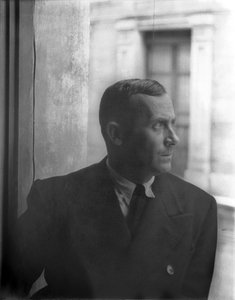
1893 - 1983 , Spanyolország

Explore the profound depth of Cubist still life art. Our expert guide delves into the revolutionary techniques of Picasso and Braque, offering art enthusiasts a deep understanding of fragmented reality, geometric form, and the enduring power of Cubism in fine art.


Maradjon naprakész a legfrissebb művészeti hírekkel, exkluzív ajánlatokkal és dekorációs ötletekkel.
Írja le nekünk projektjét, és művészeti szakértőink 3 személyre szabott műalkotási javaslatot készítenek Önnek.
Hagyjuk, hogy mi válogassunk ki Önnek 3 legjobb opciót – Ingyenesen!


 Megtekintés
 Küldés
 Megosztás
 Részletek

 Letöltés
 Hasonló darabok
 X-ray felvétel
 Diavetítés
 Összes részlet megjelenítése







 Az üvegkeretes opció csak 110 cm alatti méretben érhető el


