Adja értékesésre műveiét
x
ElőnézetElőnézet AR előnézetAR előnézet Váltás nyomtatványra Váltás nyomtatványraKépváltás Képváltás MegosztásMegosztás
RészletekRészletek Kedvencekhez ad Kedvencekhez ad LetöltésLetöltés Hasonló alkotásokHasonló alkotások X-ray felvételX-ray felvétel DiavetítésDiavetítés

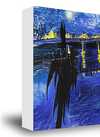
Inherent Vice

  • Készült ideje2005
  • Méretek245.0 x 265.0 cm

Discover John Barbour, Scotland's first major literary figure! Explore his epic poem 'The Brus' & historical verse. A key voice of 14th-century Scottish literature.

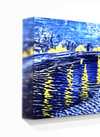
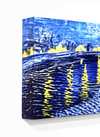
Kézzel készített olajfestmény reprodukció

Kézzel festett olajvastú vászon, az Ön által választott méretben és keretben, művészeink készítik meglévőre. (Váltás nyomtatványra Váltás nyomtatványraKépváltás Képváltás)

Standard
custom
CM
INCH

Válasszon előre meghatározott méreteink közül, amelyek megfelelnek a műalkotás eredeti arányainak.

szélesség
magasság

Ön megadhat saját méreteket egy adott kerethez vagy térhez igazításhoz. Ha a kiválasztott méret nem egyezik az eredeti kép arányával, akkor a műalkotást levágjuk, vagy további kézzel festett elemekkel meghosszabbítjuk a festményt. A gyártás megkezdése előtt küldünk Önnek egy digitális előnézetet jóváhagyásra.
Kérjük, vegye figyelembe, hogy a képernyőn megjelenő előnézet nem tükrözi a tényleges vágást vagy kiterjesztést. Csak az előnézet fog pontosan mutatni a végső kompozíciót.
Bár egyedi méretek állnak rendelkezésre, javasoljuk, hogy válasszon egy méretet az előre meghatározott listából az eredeti arányok megőrzése érdekében.

Példák arra, mit lehet módosítani: az arc kicserélése az ügyfél fotójára; háziállat hozzáadása (pl. macska helyett kutya); rejtett üzenet elhelyezése a háttérben; a háttér tájának vagy elemeinek megváltoztatása.
A rendelést követően a BuyPopArt.com csapata e-mailt küld az ügyfélnek az instrukciókért, és biztosít egy előnézeti képet (mockup).

Világszerte elérhető szállítás () 3-4 hét alatt a szokásos 5 hét helyett. (31 július). A minőség nem kérdőjelezhető.

why_choose_icon
Ingyenes globális expressz szállítás
why_choose_icon
Prémium minőségű len vászon
why_choose_icon
Teljes szállítási biztosítás
why_choose_icon
Vámvisszatérítési Garancia
why_choose_icon
Tökéletes színpontosság garancia
why_choose_icon
60 napos visszaküldési lehetőség (csak gyártási hibák esetén)
why_choose_icon
100%-os pénzvisszatérítési garancia
why_choose_icon
Kedvezmény több termény esetén

Összesen

$ 288

reproduction

Inherent Vice

Reprodukciós technika

A reprodukció mérete

-

Összesített ár

$ 288

A műalkotás leírása

For John Barbour, the notions of unmaking or the barely made carried resonances of mortality. This artist pursued a gently ironic artistic practice, exploring the paradox between form and formlessness in a manner he referred to as a kind of

A művész életrajza

John Barbour (c.1320 – 13 march 1395): The Poet Who Shaped Scottish Identity

John Barbour, a figure shrouded in the mists of medieval Scotland, stands as an unparalleled pioneer—the first named literary voice to emerge from Scots vernacular poetry. His magnum opus, *The Brus*, transcends mere chronicle; it’s a vibrant tapestry woven with heroic legend and astute political observation, cementing Barbour's place as a cornerstone of Scottish cultural heritage. This biography delves into his life, artistic evolution, and enduring legacy, exploring how he captured the spirit of his time and profoundly impacted the nation’s literary landscape.

Early Life and Education: A Scholar Amidst Turbulent Times

Precise biographical details surrounding Barbour's birth remain elusive, estimated to be around 1320 CE. Born in Galloway—a region perpetually embroiled in border disputes between Scotland and England—his formative years coincided with a period of intense political instability. Evidence suggests he received his education initially at Dumfries Cathedral School, followed by studies at Oxford University, where he honed his Latin skills and immersed himself in scholastic philosophy. This intellectual grounding would prove invaluable as he navigated the complexities of courtly life and engaged in scholarly pursuits throughout his career. The influence of continental humanist thought undoubtedly shaped Barbour’s worldview, fostering a critical engagement with classical texts and traditions.

The Brus: An Epic Poem Reflecting Scottish Heroism

Barbour's fame rests principally upon *The Brus*, an ambitious historical verse romance commemorating Robert I’s triumph over Edward II at Bannockburn in 1314. More than simply recounting battles, Barbour imbued the poem with moral and political commentary—a bold assertion of Scottish sovereignty against English domination. The narrative skillfully blends heroic legend with astute observation of courtly politics, portraying Robert I as a virtuous ruler embodying noble ideals. Its rhythmic prose and vivid imagery captivated audiences across Scotland, establishing it as the definitive account of the Wars of Independence and solidifying Barbour’s reputation as a masterful storyteller. The poem's enduring popularity testifies to its ability to encapsulate the collective memory of a nation grappling with existential challenges.
  • Key Themes: Loyalty, Courage, Divine Providence
  • Literary Style: Vivid Imagery, Rhythmically Precise Prose
  • Historical Significance: Shaped Scottish Identity and Celebrated Robert I’s Victory

Career as Archdeacon of Aberdeen and Patronage

Barbour served as archdeacon of Aberdeen Cathedral from 1356 until his death in 1395, demonstrating a commitment to ecclesiastical scholarship and pastoral care. His position afforded him access to royal patronage—particularly under Robert II—who recognized Barbour’s literary talent and commissioned further works, including *The Stewartis Originale*, a genealogical chronicle tracing the Stuart dynasty back to Dardane, Lord of Frygya. This association with the monarchy underscored Barbour's influence within Scottish political circles and ensured his legacy as a respected statesman alongside his artistic achievements.

Legacy: A Voice Preserved in Verse

Despite the loss of several manuscripts attributed to Barbour—including *The Brut*—the surviving fragments of *The Brus*, coupled with scholarly reconstructions, continue to inspire admiration for their poetic artistry and historical insight. His work stands as a testament to the flourishing of Scots vernacular literature during the fourteenth century—a period marked by political upheaval and cultural dynamism. John Barbour’s enduring contribution to Scottish literary heritage ensures that his voice resonates across centuries, reminding us of the power of poetry to shape national identity and commemorate pivotal moments in history. He remains an unparalleled figure—the first named poet in Scots—whose magnum opus continues to captivate readers and scholars alike.
john barbour

john barbour

1395 , Scotland

Rövid tények

  • Artistic Movement Or Style: Medieval Literature
  • Artists Or Movements Influenced By This Artist: ['']
  • Artists Who Influenced This Artist: ['Chaucer']
  • Date Of Death: 13 March 1395
  • Full Name: John Barbour
  • Nationality: Scottish
  • Notable Artworks: ['The Brus']
  • Place Of Birth: Scotland