

Kézzel festett olajvastú vászon, az Ön által választott méretben és keretben, művészeink készítik meglévőre. ( Váltás nyomtatványra Képváltás)
Válasszon előre meghatározott méreteink közül, amelyek megfelelnek a műalkotás eredeti arányainak.

Ön megadhat saját méreteket egy adott kerethez vagy térhez igazításhoz. Ha a kiválasztott méret nem egyezik az eredeti kép arányával, akkor a műalkotást levágjuk, vagy további kézzel festett elemekkel meghosszabbítjuk a festményt. A gyártás megkezdése előtt küldünk Önnek egy digitális előnézetet jóváhagyásra.
Kérjük, vegye figyelembe, hogy a képernyőn megjelenő előnézet nem tükrözi a tényleges vágást vagy kiterjesztést. Csak az előnézet fog pontosan mutatni a végső kompozíciót.
Bár egyedi méretek állnak rendelkezésre, javasoljuk, hogy válasszon egy méretet az előre meghatározott listából az eredeti arányok megőrzése érdekében.
Világszerte elérhető szállítás () 3-4 hét alatt a szokásos 5 hét helyett. (3 augusztus). A minőség nem kérdőjelezhető.


None
A reprodukció mérete
The National WWI Museum and Memorial in Kansas City houses a striking painting by Jules Chéret, titled “None,” which transcends mere visual representation to embody the complex tapestry of Franco-American relations during the tumultuous years leading up to World War I. More than just an image of flags—one American, one French—it’s a carefully considered composition that speaks volumes about anxieties and aspirations shared across the Atlantic.
The historical context is crucial to understanding “None.” The Belle Époque, spanning from 1871 to 1914, was a period of unprecedented optimism in France following the Franco-Prussian War and the subsequent establishment of the Third Republic. However, beneath this veneer of prosperity lurked deep divisions regarding imperial ambitions and colonial expansion—particularly concerning Morocco. Simultaneously, America wrestled with internal debates about isolationism versus engagement in European affairs.
Symbolism: The flags themselves serve as potent symbols. The American flag represents strength, liberty, and republican ideals – values championed by figures like Theodore Roosevelt who advocated for assertive diplomacy. Conversely, the French flag embodies tradition, monarchy (albeit weakened), and a commitment to upholding European order. Their placement side-by-side underscores the precarious balance between these competing visions of the future.
Emotional Impact: “None” isn’t merely aesthetically pleasing; it evokes a palpable sense of apprehension. The stark contrast between the flags—the sheer size of the American flag versus the diminutive French one—suggests a feeling of dominance and vulnerability. Yet, there's also an underlying current of hope – conveyed through the subtle luminosity of the painting – hinting at the possibility that cooperation could avert disaster. It’s a poignant reminder that even amidst grand narratives of power and ambition, art can capture the anxieties and aspirations of ordinary people grappling with momentous decisions.
This artwork offers more than just a visual spectacle; it invites contemplation on the shifting geopolitical landscape of its time and speaks to enduring themes of national identity and international relations. Its masterful execution—particularly Chéret’s innovative use of lithography—solidifies its place as an emblem of the Belle Époque's artistic spirit.

1836 - 1932 , Francia

Explore the life & art of Theodore Clement Steele, a leading American Impressionist painter. Discover his luminous Indiana landscapes, contributions to the Hoosier Group, and enduring legacy. A comprehensive guide for art enthusiasts.

Explore the captivating world of Raphael Kirchner, a master of Art Nouveau illustration during the Belle Époque. Discover his iconic 'Kirchner Girls,' pioneering pin-up art & lasting influence.

Explore the captivating American Impressionist paintings of Charles Courtney Curran (1861-1942). Discover his serene depictions of women and leisure, masterful use of light & color, and lasting legacy. Learn more at BuyPopArt.

Explore the life & art of John Singer Sargent, premier portraitist of the Gilded Age. Discover his Impressionistic masterpieces, technical brilliance, and enduring legacy. Expert insights for collectors.
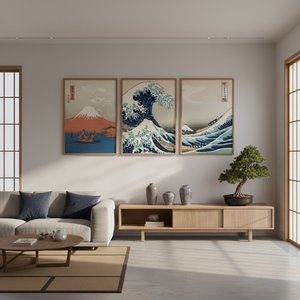
Fedezze fel Katsushika Hokusai 25 legikonikusabb műalkotását! Merüljön el a japán ukiyo-e világában, ismerje meg a 'Nagy Hullám' történetét és más remekműveket. Museum minőségű reprodukciók otthonába – BuyPopArt.com.


Maradjon naprakész a legfrissebb művészeti hírekkel, exkluzív ajánlatokkal és dekorációs ötletekkel.
Írja le nekünk projektjét, és művészeti szakértőink 3 személyre szabott műalkotási javaslatot készítenek Önnek.
Hagyjuk, hogy mi válogassunk ki Önnek 3 legjobb opciót – Ingyenesen!


 Megosztás
 Megosztás
 Részletek

 Letöltés
 Hasonló alkotások
 Diavetítés


 Tovább olvasom




































 Az üvegkeretes opció csak 110 cm alatti méretben érhető el


