

 Acrylic On CanvasWallArtSpatialism
 1955Late Medieval
 80.0 x 65.0 cm
 Boschi Di Stefano House Museum
Vásároljon nagy felbontású, javított digitális képet, amely minőségében messze felülmúlja az online előnézetet.
Minden fájlt szakembereink a legmodernebb eszközök és precíz, kézi retusálás segítségével készítenek el aprólékosan. Gondoskodunk arról, hogy minden kép kivételes tisztasággal, pontos színhelyességgel és részletgazdag finomsággal rendelkezzen.
A végleges fájl 72 órán belül e-mailben megérkezik, professzionális, szerkesztői és nyomtatási környezetbe optimalizálva az azonnali használathoz. Ez ugyanaz a minőség, amelyben a legmeghatározóbb tervezőstúdiók, kiadók és galériák is megbízhatnak.
Töltsön le nagy felbontású fájlt személyes kiállításokhoz, nyomtatáshoz és kreatív projektekhez. ( Nyomat rendelése Kézzel festett másolat rendelése)
Amikor a BuyPopArt.com szolgáltatást választja, nem csupán egy képet kap – professzionálisan felmagasított digitális műalkotást kap, amely precizitással készült, és amelyet megelégsedési gwarancia tesz biztoslássá. Az alábbiakban automatikusan minden benne 】

A nagy felbontású digitális képmásolatát a megrendelést követő 72 órán belül e-mailben elküldjük Önnek – azonnal használható formátumban.

Műve professzionális módon kerül optimalizálásra fejlett mesterséges intelligencia eszközök és manuális szerkesztés segítségével, biztosítva a maximális részletességet, tisztaságot és színpontosságot.

Véletlenül törölted vagy elvesztetted a fájlodat? Ne aggódj – bármikor ingyen újra megküldjük neked.

Élvezze műalkotásait azonnal, vám, illeték vagy szállítási költség nélkül – a digitális letöltések mindig adamentesek.

Professzionális eszközök és színkezelés segítségével garantáljuk, hogy digitális képe a lehető legpontosabban tükrözze az eredeti színeket.

Ha nemມີ elégedett a digitális képpel, 60 napon belül átmunkáljuk azt, vagy 100% visszatérítjük az amountot – kérdés nélkül.

Nem érheted el a teljes elégedettséget? 60 napon belül teljes visszatérítést kapsz a digitális fájlod megérkezése után – kérdés nélkül.

Vásároljon 3 képet, spóroljon 10%-et - Vásároljon 5-öt, spóroljon 15%-et - Vásároljon 10+ képet, spóroljon 20%-at. Kiváló kreatív projektekhez, galériákhoz és ügynökségekhez.
Lucio Fontana's "Spatial Concept," painted in 1955, isn’t merely a painting; it’s a declaration. Born from the fertile ground of post-war Italy and fueled by a desire to transcend traditional artistic boundaries, this work embodies the very genesis of Spatialism – a revolutionary movement that redefined the relationship between art and space itself. Fontana, having spent formative years in Argentina before returning to Italy, carried with him a restless spirit and a profound questioning of established norms. He sought to dismantle the conventional limitations of painting, moving beyond the static surface to engage with the dynamic reality of the surrounding environment. “Spatial Concept” achieves this through a deceptively simple yet profoundly impactful gesture: the deliberate incision into a monochrome canvas.
The painting’s foundation is a stark, almost austere black field – a deliberate choice that amplifies the drama of the intervention. Against this backdrop, Fontana introduces a series of precisely executed perforations, creating a network of holes that disrupt the surface and invite contemplation. These aren't random marks; they are carefully considered punctures, strategically placed to suggest a dialogue between the two-dimensional plane and an unseen, boundless space beyond. The composition is subtly asymmetrical, with a denser concentration of these apertures towards the upper left quadrant, punctuated by a vertical line of smaller elements – tiny dots or beads interspersed with fragments of blue glass. This central axis creates a sense of directed movement, drawing the eye through the work and hinting at an underlying order within apparent chaos.
Fontana’s technique is both meticulous and intuitively expressive. The canvas itself – typically primed with a thin white wash – serves as the stage for his radical intervention. He employed an awl, meticulously creating each hole with precision and control. The choice of black paint was equally deliberate; it provided a stark contrast to the perforations, intensifying their visual impact and emphasizing their spatial qualities. Crucially, Fontana didn’t simply cut into the canvas; he often lined the reverse with black gauze, allowing the darkness behind the openings to shimmer and create an illusion of depth – effectively turning the painting into a window onto another dimension. The incorporation of small blue fragments—likely meticulously chosen pieces of glass or ceramic—adds a subtle chromatic counterpoint, suggesting a connection to the natural world and further enriching the work’s layered complexity.
Beyond the canvas itself, Fontana's approach was deeply interdisciplinary. He drew inspiration from architecture, industrial design, and even scientific concepts like space exploration. This fusion of influences is evident in his use of materials – a deliberate departure from traditional painting mediums – and his conceptual framework, which sought to dissolve the boundaries between art and reality.
“Spatial Concept” transcends mere representation; it’s an exploration of fundamental concepts—space, time, and perception. The act of cutting into the canvas can be interpreted as a symbolic gesture of liberation – a breaking free from the constraints of traditional artistic conventions. The holes themselves evoke feelings of fragmentation and incompleteness, mirroring the anxieties and uncertainties of the post-war era. Yet, alongside this sense of disruption, there’s also an underlying feeling of order and connection, suggested by the central vertical line and the carefully arranged blue fragments.
Fontana himself described his work as “an art for the Space Age,” reflecting a belief that art should engage with the world around us—not simply depict it. “Spatial Concept” invites viewers to step beyond the confines of the canvas, to contemplate the space surrounding them, and to consider their own relationship to the vastness of existence. It’s a powerfully evocative work that continues to resonate today, reminding us of the enduring power of art to challenge our perceptions and expand our horizons.
Created in 1955, “Spatial Concept” sits firmly within Fontana's broader body of work exploring Spatialism. It’s a pivotal piece in understanding his radical approach to painting, which he developed over decades and that profoundly influenced subsequent generations of artists. To delve deeper into this fascinating artist and movement, consider exploring the resources linked below:

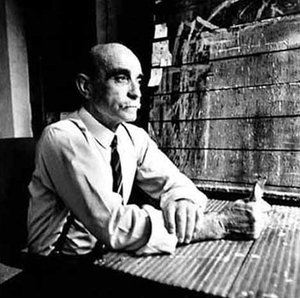
1899 - 1968 , Argentína


Maradjon naprakész a legfrissebb művészeti hírekkel, exkluzív ajánlatokkal és dekorációs ötletekkel.
Írja le nekünk projektjét, és művészeti szakértőink 3 személyre szabott műalkotási javaslatot készítenek Önnek.
Hagyjuk, hogy mi válogassunk ki Önnek 3 legjobb opciót – Ingyenesen!


 Megtekintés
 Küldés
 Megosztás
 Részletek

 Letöltés
 Hasonló darabok
 X-ray felvétel
 Diavetítés
 Összes részlet megjelenítése


