Acrylic On CanvasWallArtSurrealist Art
 1960Modern
 32.0 x 24.0 cm
Kézzel festett olajvastú vászon, az Ön által választott méretben és keretben, művészeink készítik meglévőre. ( Nyomat vásárlása Kép vásárlása)





























Válasszon előre meghatározott méreteink közül, amelyek megfelelnek a műalkotás eredeti arányainak.

Ön megadhat saját méreteket egy adott kerethez vagy térhez igazításhoz. Ha a kiválasztott méret nem egyezik az eredeti kép arányával, akkor a műalkotást levágjuk, vagy további kézzel festett elemekkel meghosszabbítjuk a festményt. A gyártás megkezdése előtt küldünk Önnek egy digitális előnézetet jóváhagyásra.
Kérjük, vegye figyelembe, hogy a képernyőn megjelenő előnézet nem tükrözi a tényleges vágást vagy kiterjesztést. Csak az előnézet fog pontosan mutatni a végső kompozíciót.
Bár egyedi méretek állnak rendelkezésre, javasoljuk, hogy válasszon egy méretet az előre meghatározott listából az eredeti arányok megőrzése érdekében.
Világszerte elérhető szállítás () 3-4 hét alatt a szokásos 5 hét helyett. (13 augusztus). A minőség nem kérdőjelezhető.


The Circus
A reprodukció mérete
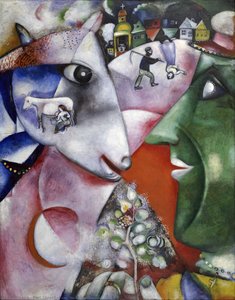
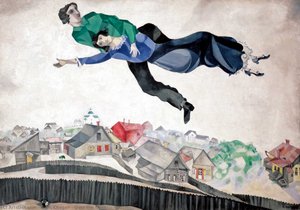
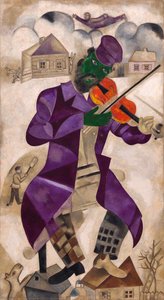
Marc Chagall's "The Circus," created in 1960, transcends mere representation; it embodies the very spirit of Naïve Art (Primitivism), transporting viewers into a realm where logic yields to imagination and memory dances with fantasy. Measuring 32 x 24 cm, this lithograph is more than just an image—it’s a portal to Chagall's deeply personal vision of childhood recollections and Jewish tradition.
Chagall’s stylistic approach aligns perfectly with the tenets of Naïve Art, a movement characterized by artists devoid of formal artistic training who nevertheless produce strikingly original works. Unlike academic painting, which strives for meticulous realism, Chagall deliberately eschews precision, favoring exaggerated proportions and flattened perspectives—techniques that heighten emotional impact and prioritize expressive color palettes. The stark black and white rendering of the central figure is juxtaposed with bursts of vibrant yellow, creating a dynamic tension that underscores the artwork’s dreamlike quality.
The composition itself narrates a story—a tale of wonder and movement. At its core stands a dancer, rendered in bold black and white, whose upward gaze embodies grace and aspiration. Surrounding him are symbolic elements that enrich the narrative: a clown figure on the right, representing humor and absurdity; and a horse’s head emerging from the left, symbolizing fertility and primal instinct—references to Chagall's formative years spent in Vitebsk, where he witnessed firsthand the confluence of Orthodox faith and Jewish culture.
Dominating the canvas is a pervasive yellow hue, not merely decorative but profoundly emotive. Yellow represents joy, optimism, and enlightenment—themes central to Chagall’s artistic worldview. It illuminates the figures and landscape alike, fostering an atmosphere of enchantment and inviting contemplation. The artist's deliberate use of color serves as a conduit for conveying feelings rather than documenting reality.
Born Moishe Shagal in 1887 in Liovana, Belarus, Chagall’s artistic journey coincided with the burgeoning modernist movement. Yet, he steadfastly championed Naïve Art (Primitivism), rejecting academic conventions and prioritizing intuitive expression. This decision reflects a broader trend within art history—a yearning for authenticity and an appreciation of unfiltered emotion—and secures “The Circus”'s place as a cornerstone of Chagall’s legacy.
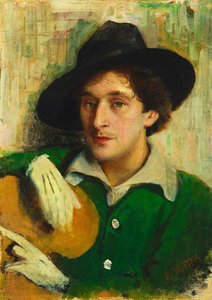
1887 - 1985 , Білорусь

Ditch the boring decor. Discover why Naive Art's raw, bold, and unfiltered aesthetic is the ultimate trend for modern urban spaces. Learn how to use vibrant colors and unstudied sincerity to create a high-impact, authentic vibe in your home or studio.


Maradjon naprakész a legfrissebb művészeti hírekkel, exkluzív ajánlatokkal és dekorációs ötletekkel.
Írja le nekünk projektjét, és művészeti szakértőink 3 személyre szabott műalkotási javaslatot készítenek Önnek.
Hagyjuk, hogy mi válogassunk ki Önnek 3 legjobb opciót – Ingyenesen!


 Előnézet
 Megosztás
 Megosztás
 Részletek

 Letöltés
 Hasonló alkotások
 X-ray felvétel
 Diavetítés
 Tovább olvasom







 Az üvegkeretes opció csak 110 cm alatti méretben érhető el