 Akril vászononFalfeldíszAbstract Expressionism
 1948Modern kor
 98.0 x 100.0 cm
Múzeumi minőségű giclée vagy vászonnyomat, gyors gyártással és rugalmas finomítási lehetőségekkel. ( Áttérés a kézzel festett másolatra Képváltás)
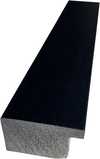
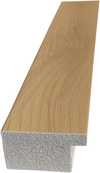
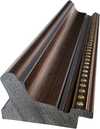
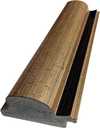

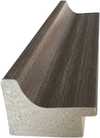
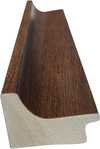
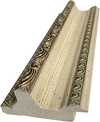
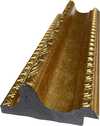
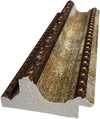
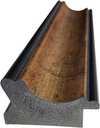
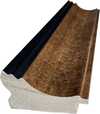
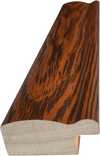
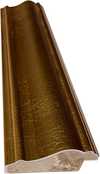

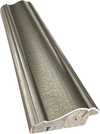
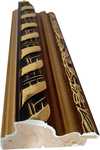

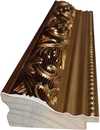
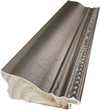

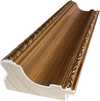
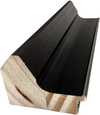
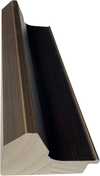
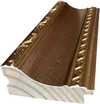
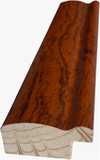
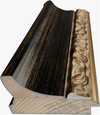
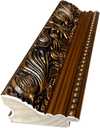
Válasszon előre meghatározott méreteink közül, amelyek megfelelnek a műalkotás eredeti arányainak.

Megadhat saját méreteket is egy konkrét kerethez vagy helyszínhez igazítva. Amennyiben a kiválasztott méret nem egyezik az eredeti kép arányokkal, a műalkotást le fogjuk vágni, vagy kiegészítjük a képet tükrözött vagy egyszínű szélekkel. A gyártás megkezdése előtt egy digitális tervezetet küldünk jóváhagyásra.
Kérjük, vegye figyelembe, hogy a képernyőn látható előnézet nem tükrözi a tényleges levágást vagy kiegészítést. Csak a tervezet mutatja pontosan a végső kompozíciót.
Bár az egyedi méretek is elérhetőek, az eredeti arányok megőrzése érdekében azt javasoljuk, hogy válasszon a előre meghatározott listából származó méretet.
Világszerte történő kiszállítás területére 2 hét alatt, a szokásos 4-5 hét helyett. 3 augusztus


No. 22
A reprodukció mérete
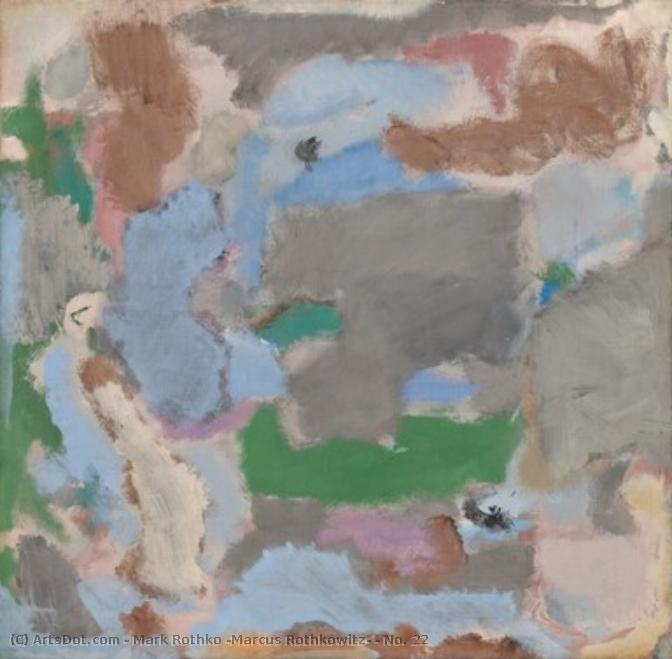
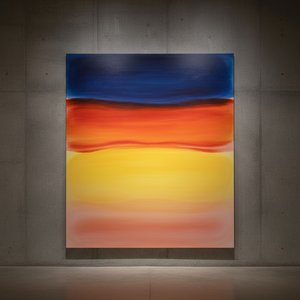
Mark Rothko’s “No. 22”, painted in 1948, isn't merely canvas and pigment; it’s a profound invitation to introspection, a visual poem meticulously crafted from layered hues and textured surfaces. Measuring almost a meter by over a meter – 98 x 100 cm – this monumental work transcends the boundaries of simple representation, becoming instead a gateway to emotional resonance and spiritual contemplation. Before his later, intensely meditative Chapel pieces, Rothko wrestled with the complexities of form and narrative, grappling with the lingering anxieties born from the devastation of World War II. “No. 22” stands as a pivotal moment in this evolution, hinting at earlier explorations while simultaneously embodying the nascent emotional vocabulary that would define his signature Color Field style – a style that irrevocably influenced generations of artists to come.
The painting’s genesis lies within Rothko's early experiences. Born Marcus Yakovlevich Rothkowitz in Latvia in 1903, he carried with him the indelible mark of displacement and cultural upheaval. His family’s immigration to Portland, Oregon, marked a significant shift, yet it also brought challenges – notably the tragic loss of his father, a pivotal event that instilled within him a deep sensitivity to human suffering and a lifelong quest for artistic expression capable of conveying profound emotional truths. This early exposure to loss, coupled with his father's intellectual influence and engagement with socialist thought, fueled a desire to communicate beyond literal depiction, seeking instead to tap into universal feelings – grief, hope, and the very essence of being.
“No. 22” is a masterclass in Rothko’s distinctive technique. He didn't approach the canvas as a blank slate; instead, he built up layers of color with painstaking care, allowing them to interact and breathe within the textured surface. This layering creates an extraordinary luminosity – a sense of depth and vibrancy that draws the viewer into the painting’s depths. The rough texture of the canvas itself isn't merely incidental; it becomes an integral part of the work, adding a tactile dimension that enhances its presence and invites closer examination. Noticeably, the edges of the colored forms are deliberately blurred, creating an atmosphere of ambiguity and encouraging the eye to wander across the surface – preventing the painting from becoming overly fixed or literal.
Perhaps the most striking element is the deliberate introduction of gouged lines within the central red band. These aren’t accidental marks; they are carefully considered interventions, suggesting a struggle to articulate something deeply felt. The three undulating lines, formed by scraping through the paint with a blunt tool – perhaps the edge of a palette knife – create a dynamic tension within the composition. They're not simply decorative; they represent a deliberate attempt to disrupt the surface and reveal layers beneath, mirroring the artist’s own internal struggles and his desire to communicate something beyond the purely visual.
While seemingly abstract, “No. 22” is rich in symbolic potential. The dominant blues evoke feelings of melancholy and introspection, while the pinks and yellows suggest a glimmer of hope amidst darkness. The central red band, with its gouged lines, can be interpreted as representing vulnerability, pain, or even sacrifice – echoing themes explored in Rothko’s earlier works referencing religious iconography, particularly the crucifixion. It's important to note that Rothko was a Jewish artist working during a period of intense global conflict and displacement; this context undoubtedly informed his artistic choices.
The painting’s legacy extends far beyond its immediate aesthetic impact. Rothko’s later works, especially those housed within the Rothko Chapel in Houston, Texas, further solidified his commitment to creating art that transcends the material world and speaks directly to the soul. The chapel itself is designed as a space for contemplation and spiritual experience, mirroring the immersive quality of Rothko's paintings. A reproduction of “No. 22” offers more than just decorative appeal; it provides a focal point for reflection, a source of quiet contemplation in an increasingly chaotic world – a reminder to slow down, breathe deeply, and connect with our own inner landscape.

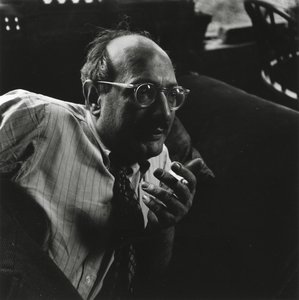
1903 - 1970 , Lettország
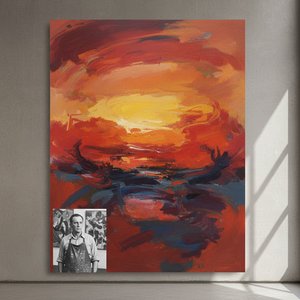
Explore the life & work of Jacob Kainen, a pivotal figure in American Abstract Expressionism and Color Field painting. Discover his journey from Social Realism to vibrant abstraction and lasting influence on 20th-century art.
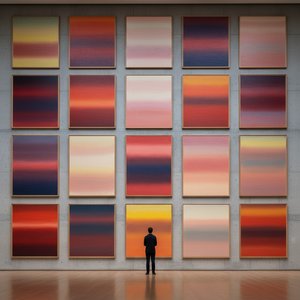
Fedezze fel Mark Rothko 25 legikonikusabb művét! Ismerje meg az absztrakt expresszionizmus mesterének érzelmi világát, színeit és technikáit. Múzeumi minőségű reprodukciók a BuyPopArt-on – inspirálja otthonát egyedi faliképekkel! Explore the full collection online.

Explore the profound spiritual resonance of Color Field Painting with insights into Rothko, Newman & Still. Discover the techniques & legacy of this influential abstract art movement.
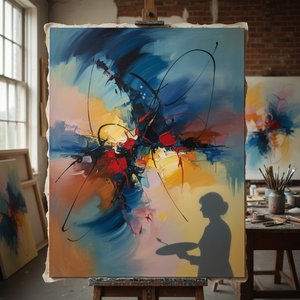
Explore the captivating world of Beatrice Parsons, a pioneering British abstract expressionist. Discover her journey from garden watercolors to evocative color field paintings and learn about her place within art history.
Explore the profound emotional depth of Mark Rothko's abstract expressionism. Discover the history, techniques & lasting impact of this pivotal Color Field painter. Expert insights for collectors and art enthusiasts.


Maradjon naprakész a legfrissebb művészeti hírekkel, exkluzív ajánlatokkal és dekorációs ötletekkel.
Írja le nekünk projektjét, és művészeti szakértőink 3 személyre szabott műalkotási javaslatot készítenek Önnek.
Hagyjuk, hogy mi válogassunk ki Önnek 3 legjobb opciót – Ingyenesen!


 Előnézet
 Megosztás
 Megosztás
 Részletek

 Letöltés
 Hasonló alkotások
 X-ray felvétel
 Diavetítés
 Tovább olvasom
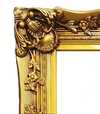
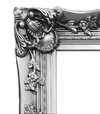
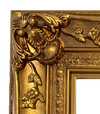
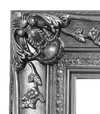
 Az üvegkeretes opció csak 110 cm alatti méretben érhető el