Preview
 Nyomat vásárlása Kép letöltése
 Megosztás
 Részletek
 Kedvencekhez ad
 Letöltés
 Hasonló alkotások
 X-ray felvétel
 Diavetítés
 Acrylic On CanvasWallArtEarly Netherlandish Painting
 1485
1485 191.0 x 84.0 cm
 Staatsgalerie
Kézzel festett olajvastú vászon, az Ön által választott méretben és keretben, művészeink készítik meglévőre.
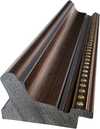
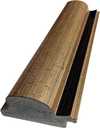
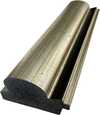
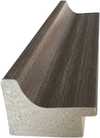
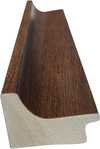
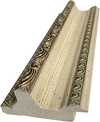
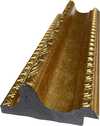
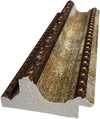
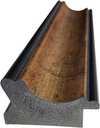
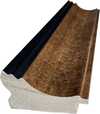
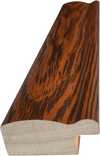
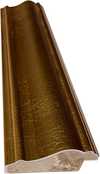
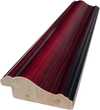
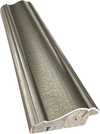
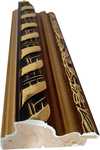
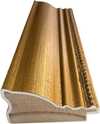
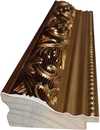
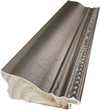
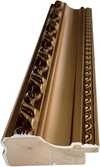
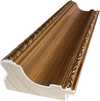
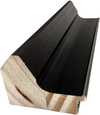
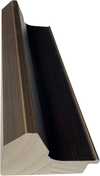
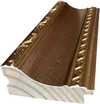
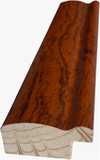
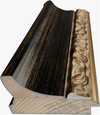
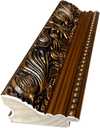
Válasszon előre meghatározott méreteink közül, amelyek megfelelnek a műalkotás eredeti arányainak.

Ön megadhat saját méreteket egy adott kerethez vagy térhez igazításhoz. Ha a kiválasztott méret nem egyezik az eredeti kép arányával, akkor a műalkotást levágjuk, vagy további kézzel festett elemekkel meghosszabbítjuk a festményt. A gyártás megkezdése előtt küldünk Önnek egy digitális előnézetet jóváhagyásra.
Kérjük, vegye figyelembe, hogy a képernyőn megjelenő előnézet nem tükrözi a tényleges vágást vagy kiterjesztést. Csak az előnézet fog pontosan mutatni a végső kompozíciót.
Bár egyedi méretek állnak rendelkezésre, javasoljuk, hogy válasszon egy méretet az előre meghatározott listából az eredeti arányok megőrzése érdekében.
Világszerte elérhető szállítás () 3-4 hét alatt a szokásos 5 hét helyett. (27 július). A minőség nem kérdőjelezhető.


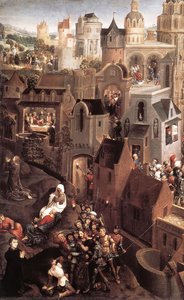
Bathsheba
A reprodukció mérete
Hans Memling’s “Bathsheba,” completed around 1485 in Bruges, Belgium, stands as a cornerstone of Early Netherlandish painting—a movement renowned for its meticulous realism, profound psychological insight, and unwavering devotion to religious iconography. More than just a depiction of a biblical scene, the artwork embodies the humanist spirit burgeoning during the Renaissance, skillfully blending observation of human anatomy with symbolic representation to convey a complex tapestry of emotion.
Subject Matter & Narrative Context: The painting portrays Bathsheba, wife of King David, bathing in a luxurious bedchamber. This intimate tableau captures a moment of vulnerability and grace—Bathsheba kneels before her husband, accepting a robe from a maidservant. The narrative draws upon the biblical tale recounted in Psalm 27:13-14, where David confesses his sins to Bathsheba and seeks forgiveness for his transgression against Uriah the Hittite.
Style & Technique: Memling’s masterful execution exemplifies the stylistic hallmarks of Bruges painting. Employing oil paint on panel—a technique pioneered by Jan van Eyck—Memling achieved unparalleled luminosity and textural detail. The artist meticulously rendered skin tones, drapery folds, and subtle nuances of light and shadow, creating an illusionistic depth that transcends mere representation. His meticulous attention to anatomical accuracy reflects the influence of humanist scholarship prevalent at the time.
Symbolism & Emotional Impact: Beyond its narrative content, “Bathsheba” is laden with symbolic significance. The bedchamber itself represents domestic tranquility and marital harmony—a deliberate contrast to David’s moral failings. The maidservant symbolizes purity and humility, offering Bathsheba comfort and support as she seeks divine grace. Memling's use of chiaroscuro – the dramatic interplay between light and dark – amplifies the emotional resonance of the scene, conveying a palpable sense of tenderness and spiritual contemplation.
Influence & Legacy: “Bathsheba”’s impact on subsequent artists is undeniable. Its meticulous realism and expressive handling of emotion served as inspiration for generations of painters striving to capture the human condition with unwavering fidelity. The artwork continues to captivate viewers today, prompting reflection on themes of repentance, forgiveness, and the enduring power of faith—a testament to Memling's genius and the enduring beauty of Early Netherlandish art.
Additional Resources: For a deeper understanding of Bathsheba’s artistic context and Memling’s oeuvre, we encourage you to explore:

Németország

Fedezze fel a korai németalföldi festészet 10 legikonikusabb műalkotását! Ismerje meg Jan van Eyck, Bosch és más mesterek történetét, technikáit. Múzeumi minőségű reprodukciók a BuyPopArt.com-on – inspirálja otthonát klasszikus festményekkel!
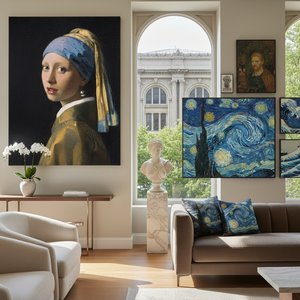
Fedezze fel a Metropolitan Művészeti Múzeum 25 legikonikusabb műalkotását! Monet, Van Gogh, Rembrandt és más mesterek remekműveinek történeteit olvassa el. Inspirálódjon otthon dekorációjához – magas minőségű festmény reprodukciók a BuyPopArt.com-on!
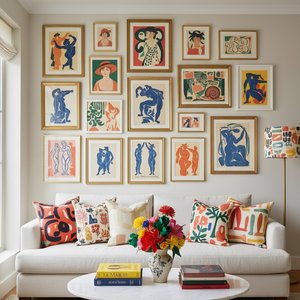
Fedezze fel Henri Matisse 25 legikonikusabb művét! Ismerje meg a fauvizmus színeit, az expresszionizmus formáit és a modern művészet mesterének életművét. Vászonképek, nyomatok – inspiráció otthonába a BuyPopArt.com-on!
Fedezze fel James Abbott McNeill Whistler 25 legszebb művét! Ismerje meg a Nocturnok, portrék és az amerikai impresszionizmus mesterét. Elegáns faliképek otthonába – BuyPopArt.com kínálatából. Böngésszen online!
Fedezze fel a National Gallery Washington 25 legikonikusabb műalkotását! Cézanne, Matisse és Picasso remekművei – történetükkel, technikájukkal. Inspirálódjon festményekből otthona dekorációjához. Museum-minőségű reprodukciók a BuyPopArt.com oldalon!


Maradjon naprakész a legfrissebb művészeti hírekkel, exkluzív ajánlatokkal és dekorációs ötletekkel.
Írja le nekünk projektjét, és művészeti szakértőink 3 személyre szabott műalkotási javaslatot készítenek Önnek.
Hagyjuk, hogy mi válogassunk ki Önnek 3 legjobb opciót – Ingyenesen!


 Megosztás

 Tovább olvasom
 Az üvegkeretes opció csak 110 cm alatti méretben érhető el