Adja értékesésre műveiét
x
ElőnézetElőnézet AR előnézetAR előnézet Váltás nyomtatványra Váltás nyomtatványraKépváltás Képváltás MegosztásMegosztás
RészletekRészletek Kedvencekhez ad Kedvencekhez ad LetöltésLetöltés Hasonló alkotásokHasonló alkotások X-ray felvételX-ray felvétel DiavetítésDiavetítés

Monkeys

Discover Mori Yūsen’s exquisite ‘Monkeys’ (801). A captivating Edo-period painting of simians, showcasing Shijō school artistry. Explore this unique Japanese artwork.

Mori Yūsen (1778-1841) was a Japanese Edo period painter renowned for his exquisite monkey paintings, continuing the Shijō school tradition established by his father, Mori Sosen. Explore his captivating depictions of simians and animal life.

Kézzel készített olajfestmény reprodukció

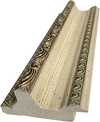
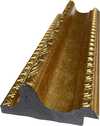
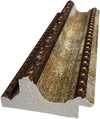
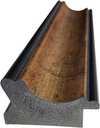
Kézzel festett olajvastú vászon, az Ön által választott méretben és keretben, művészeink készítik meglévőre. (Váltás nyomtatványra Váltás nyomtatványraKépváltás Képváltás)
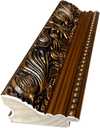
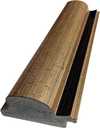
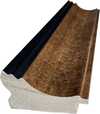
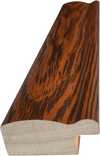
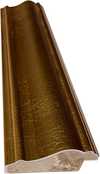
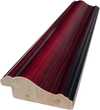
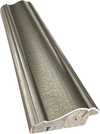
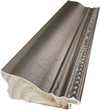
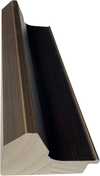
P118B $10
P118H $10
P118W $10
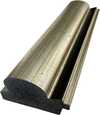
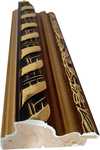
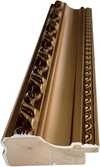
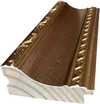
P438Z $10
P508JH $12
P508YH $12
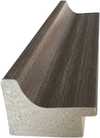
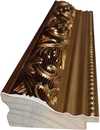
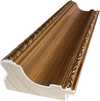
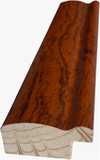
P805H $10
P805Z $10
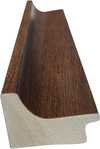
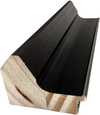
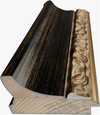
P919BZ $10
P919G $10
P919XJ $10
P959ZH $10
P968JZ $12
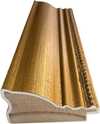
W106C $8
W218G $10
W218JH $8
W218Y $10
W307PJ $10
W316G $10
W316PJ $8
W316Y $10
W398PJ $8
W4111J $10
W500HY $15
W500JH $15
W692G $12
W849H $8
W940BG $15
W953PJ $8

Standard
custom
CM
INCH

Válasszon előre meghatározott méreteink közül, amelyek megfelelnek a műalkotás eredeti arányainak.

szélesség
magasság

Ön megadhat saját méreteket egy adott kerethez vagy térhez igazításhoz. Ha a kiválasztott méret nem egyezik az eredeti kép arányával, akkor a műalkotást levágjuk, vagy további kézzel festett elemekkel meghosszabbítjuk a festményt. A gyártás megkezdése előtt küldünk Önnek egy digitális előnézetet jóváhagyásra.
Kérjük, vegye figyelembe, hogy a képernyőn megjelenő előnézet nem tükrözi a tényleges vágást vagy kiterjesztést. Csak az előnézet fog pontosan mutatni a végső kompozíciót.
Bár egyedi méretek állnak rendelkezésre, javasoljuk, hogy válasszon egy méretet az előre meghatározott listából az eredeti arányok megőrzése érdekében.

Példák arra, mit lehet módosítani: az arc kicserélése az ügyfél fotójára; háziállat hozzáadása (pl. macska helyett kutya); rejtett üzenet elhelyezése a háttérben; a háttér tájának vagy elemeinek megváltoztatása.
A rendelést követően a BuyPopArt.com csapata e-mailt küld az ügyfélnek az instrukciókért, és biztosít egy előnézeti képet (mockup).

Világszerte elérhető szállítás () 3-4 hét alatt a szokásos 5 hét helyett. (31 július). A minőség nem kérdőjelezhető.

why_choose_icon
Ingyenes globális expressz szállítás
why_choose_icon
Prémium minőségű len vászon
why_choose_icon
Teljes szállítási biztosítás
why_choose_icon
Vámvisszatérítési Garancia
why_choose_icon
Tökéletes színpontosság garancia
why_choose_icon
60 napos visszaküldési lehetőség (csak gyártási hibák esetén)
why_choose_icon
100%-os pénzvisszatérítési garancia
why_choose_icon
Kedvezmény több termény esetén

Összesen

$ 288

reproduction

Monkeys

Reprodukciós technika

A reprodukció mérete

-

Összesített ár

$ 288

A műalkotás leírása

Mori Yūsen was the son of Mori Sosen (1747–1821), famous for his prolific production of monkey paintings. Later Yūsen was adopted by Mori Shūhō (1738–1823) and he lived in Osaka. As this painting demonstrates, he was one of Sosen’s pupils who continued to specialize in paintings of simians.

A művész életrajza

Mori Yūsen: A Master of the Shijō School’s Monkey Visions

Mori Yūsen (1778-1841) stands as a pivotal figure in Japanese art history, particularly renowned for his exquisite depictions of monkeys. Born in Osaka during the Edo period and later adopted by Mori Shūhō, he carried forward the legacy of his father, Mori Sosen, establishing himself as one of the most skilled painters within the esteemed Shijō school. His work transcends mere animal portraiture; it’s a captivating exploration of simian behavior, capturing their intelligence, playfulness, and subtle nuances with remarkable fidelity. Yūsen's art offers a window into the Edo period’s fascination with nature and its integration into artistic expression.

Early Life and Artistic Foundations

Yūsen’s early life was deeply intertwined with the world of art. His father, Mori Sosen, was already a celebrated artist specializing in monkey paintings – a tradition that had begun decades earlier. This familial connection provided Yūsen with an invaluable foundation, immersing him in the techniques and aesthetic sensibilities of the Shijō school. The Shijō school, known for its meticulous observation of nature and its emphasis on capturing animal movement and personality, heavily influenced Yūsen’s artistic approach. While Sosen focused primarily on monkeys, he also painted deer, boars, and peafowl, demonstrating a broader interest in the natural world. His early training likely involved studying both traditional techniques and observing animals firsthand – a crucial element for achieving the realism that characterized his later work. The adoption by Mori Shūhō further solidified his artistic development, providing him with a stable environment and access to resources within Osaka’s thriving art community.

The Art of Monkey Painting: Technique and Symbolism

Yūsen's mastery lies particularly in his depictions of monkeys. He didn’t simply render these animals; he imbued them with personality, capturing their mischievousness, intelligence, and social dynamics. His paintings are characterized by a remarkable attention to detail – from the texture of fur to the subtle expressions on their faces. He employed a technique known as *sumi-e*, utilizing ink wash painting with delicate brushstrokes to create depth and atmosphere. The use of color was restrained but effective, often employing muted tones to emphasize the animals’ natural coloration. Beyond technical skill, Yūsen's monkey paintings carry symbolic weight. Monkeys have long held a significant place in Japanese folklore and art, representing qualities such as cleverness, agility, and even mischief. Yūsen’s work reflects this cultural significance, portraying monkeys not just as subjects of observation but also as embodiments of certain virtues and vices. The choice to focus on monkeys was deliberate, aligning with the Shijō school's tradition and reflecting a broader societal appreciation for these intelligent creatures.

Notable Works and Artistic Development

While many of Yūsen’s works are now housed in private collections or reside within museums, one particularly notable piece is “Monkeys” (circa early 19th century), held at The Metropolitan Museum of Art. This painting exemplifies his skill in capturing the essence of monkey behavior – their playful interactions, their inquisitive nature, and their ability to mimic human actions. It’s a testament to his dedication to observing and portraying these animals with remarkable accuracy and sensitivity. Throughout his career, Yūsen continued to refine his technique, experimenting with different compositions and perspectives while consistently maintaining the hallmarks of the Shijō school. His later works demonstrate an increased confidence and mastery of his craft, solidifying his reputation as one of Japan’s foremost animal painters.

Legacy and Historical Significance

Mori Yūsen's contribution to Japanese art is profound. He not only preserved the traditions of the Shijō school but also elevated them through his exceptional skill and artistic vision. His meticulous depictions of monkeys have become iconic representations of Edo-period Japan, offering valuable insights into the culture’s relationship with nature and its appreciation for animal life. His work continues to be studied and admired by art historians and collectors alike, cementing his place as a significant figure in Japanese art history. The influence of Yūsen's style can still be seen in contemporary artists who draw inspiration from his masterful depictions of the natural world. His legacy serves as a reminder of the enduring power of observation, skill, and artistic expression.
mori yūsen

mori yūsen

1778 - 1841 , Japan

Rövid tények

  • Artistic Movement Or Style: Shijō school
  • Artists Or Movements Influenced By This Artist: ['Mori Shūhō']
  • Artists Who Influenced This Artist: ['Mori Sosen']
  • Date Of Birth: 1778
  • Date Of Death: 1841
  • Full Name: Mori Yūsen
  • Nationality: Japanese
  • Notable Artworks:
    • Monkeys
    • Apes in a persimmon-tree
  • Place Of Birth: Osaka, Japan