


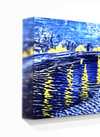
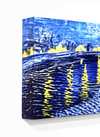
Kézzel festett olajvastú vászon, az Ön által választott méretben és keretben, művészeink készítik meglévőre. ( Switch to Print Switch to Image)
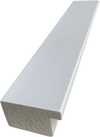
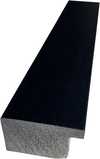
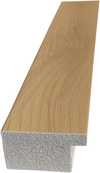
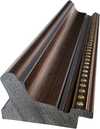
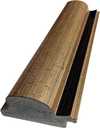
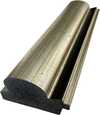
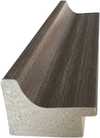
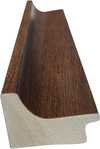
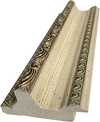
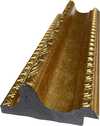
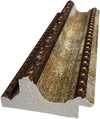
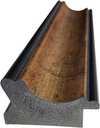
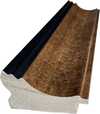
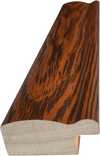
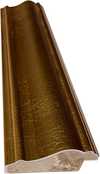
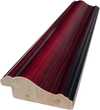
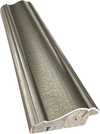
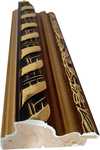
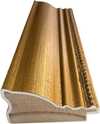
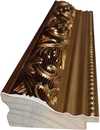
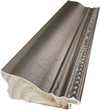
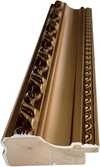
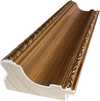
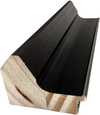
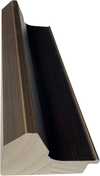
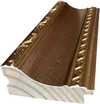
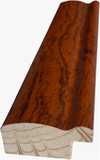
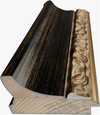
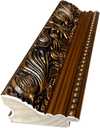
Válasszon előre meghatározott méreteink közül, amelyek megfelelnek a műalkotás eredeti arányainak.

Ön megadhat saját méreteket egy adott kerethez vagy térhez igazításhoz. Ha a kiválasztott méret nem egyezik az eredeti kép arányával, akkor a műalkotást levágjuk, vagy további kézzel festett elemekkel meghosszabbítjuk a festményt. A gyártás megkezdése előtt küldünk Önnek egy digitális előnézetet jóváhagyásra.
Kérjük, vegye figyelembe, hogy a képernyőn megjelenő előnézet nem tükrözi a tényleges vágást vagy kiterjesztést. Csak az előnézet fog pontosan mutatni a végső kompozíciót.
Bár egyedi méretek állnak rendelkezésre, javasoljuk, hogy válasszon egy méretet az előre meghatározott listából az eredeti arányok megőrzése érdekében.
Világszerte elérhető szállítás () 3-4 hét alatt a szokásos 5 hét helyett. (29 július). A minőség nem kérdőjelezhető.


Rinaldo and Armida
A reprodukció mérete
Nicolas Poussin’s “Rinaldo and Armida,” completed around 1626-1627, stands as a cornerstone of French Baroque painting—a testament to the artist's unwavering devotion to the ideals of classical antiquity. Originating from Torquato Tasso’s epic poem, Gerusalemme Liberata, which recounts the siege of Jerusalem during the First Crusade, Poussin transforms this dramatic tale into a meticulously crafted visual meditation on heroism, faith, and divine providence.
The historical context is crucial to understanding “Rinaldo and Armida.” Painted during a period of intense religious fervor in France—following the Protestant Reformation—the artwork embodies the humanist conviction that reason and virtue could illuminate the mysteries of faith. Poussin’s depiction of biblical narratives served as a powerful vehicle for moral instruction, aligning seamlessly with the intellectual ambitions of Louis XIII’s court.
Symbolism permeates every aspect of the composition. The towering trees represent resilience and endurance—symbols of Jerusalem itself—while the figures are positioned in carefully calculated poses that convey nobility and solemnity. Notably, the horsemen embody both physical strength and spiritual aspiration, symbolizing the triumph of Christian faith over pagan barbarism. Poussin’s deliberate use of visual metaphors elevates the narrative beyond mere storytelling, inviting viewers to contemplate profound questions about human destiny.
Ultimately, “Rinaldo and Armida” resonates with an enduring emotional impact—a quiet grandeur that speaks to the universal themes of courage, love, and redemption. Its serene beauty belies the dramatic events unfolding within its frame, prompting contemplation on the role of faith in overcoming adversity. Reproductions of this masterpiece offer a captivating glimpse into the artistic spirit of the Baroque era and continue to inspire admiration for Poussin’s unparalleled skill in capturing the sublime.
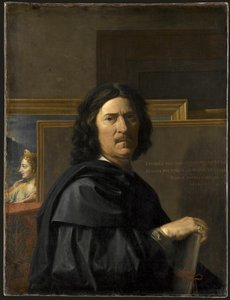
1594 - 1665 , Franciaország
Fedezze fel a Metropolitan Művészeti Múzeum 25 legikonikusabb műalkotását! Monet, Van Gogh, Rembrandt és más mesterek remekműveinek történeteit olvassa el. Inspirálódjon otthon dekorációjához – magas minőségű festmény reprodukciók a BuyPopArt.com-on!
Fedezze fel a National Gallery Washington 25 legikonikusabb műalkotását! Cézanne, Matisse és Picasso remekművei – történetükkel, technikájukkal. Inspirálódjon festményekből otthona dekorációjához. Museum-minőségű reprodukciók a BuyPopArt.com oldalon!
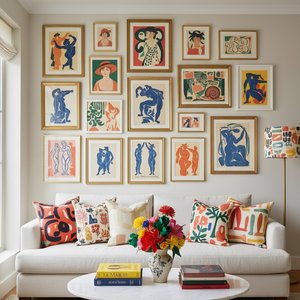
Fedezze fel Henri Matisse 25 legikonikusabb művét! Ismerje meg a fauvizmus színeit, az expresszionizmus formáit és a modern művészet mesterének életművét. Vászonképek, nyomatok – inspiráció otthonába a BuyPopArt.com-on!
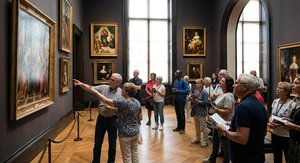
Fedezze fel a müncheni Alte Pinakothek 25 legikonikusabb művészeti remekművét! Reneszánsz és barokk festmények, Leonardo da Vinci, Dürer alkotásai – inspiráló történetek és magas minőségű reprodukciók. Otthonra vagy ajándékba? BuyPopArt.com-on minden megtalálható!
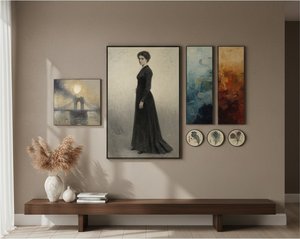
Fedezze fel James Abbott McNeill Whistler 25 legszebb művét! Ismerje meg a Nocturnok, portrék és az amerikai impresszionizmus mesterét. Elegáns faliképek otthonába – BuyPopArt.com kínálatából. Böngésszen online!


Maradjon naprakész a legfrissebb művészeti hírekkel, exkluzív ajánlatokkal és dekorációs ötletekkel.
Írja le nekünk projektjét, és művészeti szakértőink 3 személyre szabott műalkotási javaslatot készítenek Önnek.
Hagyjuk, hogy mi válogassunk ki Önnek 3 legjobb opciót – Ingyenesen!


 Preview
 Megosztás
 Megosztás
 Részletek

 Letöltés
 Hasonló alkotások
 X-ray felvétel
 Diavetítés

 Tovább olvasom
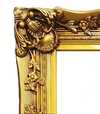
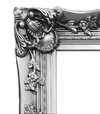
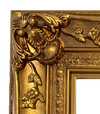
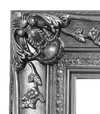
 Az üvegkeretes opció csak 110 cm alatti méretben érhető el


