Kézzel festett olajvastú vászon, az Ön által választott méretben és keretben, művészeink készítik meglévőre. ( Nyomat vásárlása Kép vásárlása)





























Válasszon előre meghatározott méreteink közül, amelyek megfelelnek a műalkotás eredeti arányainak.

Ön megadhat saját méreteket egy adott kerethez vagy térhez igazításhoz. Ha a kiválasztott méret nem egyezik az eredeti kép arányával, akkor a műalkotást levágjuk, vagy további kézzel festett elemekkel meghosszabbítjuk a festményt. A gyártás megkezdése előtt küldünk Önnek egy digitális előnézetet jóváhagyásra.
Kérjük, vegye figyelembe, hogy a képernyőn megjelenő előnézet nem tükrözi a tényleges vágást vagy kiterjesztést. Csak az előnézet fog pontosan mutatni a végső kompozíciót.
Bár egyedi méretek állnak rendelkezésre, javasoljuk, hogy válasszon egy méretet az előre meghatározott listából az eredeti arányok megőrzése érdekében.
Világszerte elérhető szállítás () 3-4 hét alatt a szokásos 5 hét helyett. (12 augusztus). A minőség nem kérdőjelezhető.


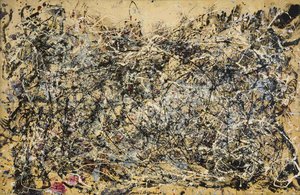
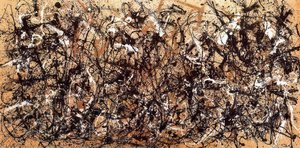
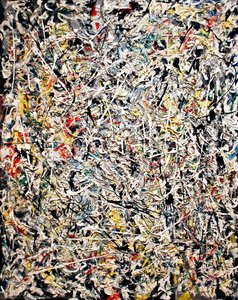
Composition
A reprodukció mérete
Paul Jackson Pollock’s “Composition” stands as a cornerstone of Abstract Expressionism, encapsulating the movement's core tenets – spontaneity, gesture, and an uncompromising exploration of emotion. Executed in 1949, this monumental drip painting transcends mere pigment application; it’s a visceral embodiment of artistic liberation.
Pollock pioneered the “drip technique,” abandoning traditional brushstrokes for a revolutionary method where paint was flung or dripped onto canvas laid horizontally. This process, meticulously documented by Lee Krasner, his collaborator and wife, wasn’t about precise control but rather embracing chance encounters between pigment and surface. The resulting textured expanse resembles geological formations—a deliberate echo of the American West landscapes that profoundly influenced Pollock's formative years.
Born in Cody, Wyoming, in 1912, Pollock emerged during a period of seismic change within the art world. The Second World War fueled anxieties about artistic tradition and spurred artists to seek new forms of expression. Rejecting Cubism’s fragmentation and Surrealism's dreamlike imagery, Pollock aligned himself with fellow pioneers like Willem de Kooning and Franz Kline, forging a path toward unfiltered emotion and subconscious exploration—a reaction against the perceived constraints of European art.
The painting’s color scheme is deliberately muted yet impactful. Dominant hues of blue and white intertwine with splashes of red and black, creating a dynamic interplay that defies easy categorization. These colors aren't merely decorative; they resonate with psychological associations—blue representing tranquility and contemplation alongside melancholy, while red embodying passion and urgency. The deliberate asymmetry contributes to the artwork’s unsettling beauty.
"Composition" isn't simply a visual spectacle; it aims to evoke a profound emotional response in the viewer. Pollock sought to capture what he termed “the sublime”—that feeling of awe and terror experienced when confronted with overwhelming grandeur or power. The painting’s chaotic surface invites contemplation, prompting viewers to grapple with questions of existence and artistic intention. Like other masterpieces from SFMOMA's collection, it continues to inspire collectors and interior designers alike.

1912 - 1956 , Egyesült Államok

Explore the revolutionary art of Jackson Pollock & Abstract Expressionism. Discover his iconic drip paintings, lasting impact, and considerations for collecting this pivotal American artist. Expert insights at BuyPopArt.
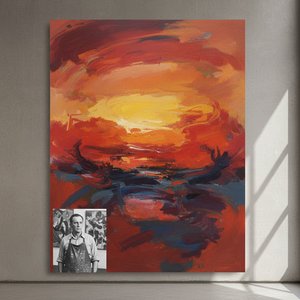
Explore the life & work of Jacob Kainen, a pivotal figure in American Abstract Expressionism and Color Field painting. Discover his journey from Social Realism to vibrant abstraction and lasting influence on 20th-century art.

Alakítsa kedvenc nyaralási fotóit időtálló olajfestményekké! Professzionális festőművészek, egyedi stílusok és prémium minőség. Személyre szabott műalkotások a BuyPopArt-tól – örök emlékek otthonába!

Commission breathtaking bespoke fantasy art with skilled oil painters. Explore techniques, artist selection & preservation tips. Invest in a unique masterpiece today!

Fedezze fel a művészettörténet 10 legikonikusabb olajfestményét! Leonardo, Van Gogh, Rembrandt és más mesterek remekművei – történetükkel, technikájukkal. Vászonképek otthonába a BuyPopArt.com-on! Fedezze fel a teljes gyűjteményt online.


Maradjon naprakész a legfrissebb művészeti hírekkel, exkluzív ajánlatokkal és dekorációs ötletekkel.
Írja le nekünk projektjét, és művészeti szakértőink 3 személyre szabott műalkotási javaslatot készítenek Önnek.
Hagyjuk, hogy mi válogassunk ki Önnek 3 legjobb opciót – Ingyenesen!


 Előnézet
 Megosztás
 Megosztás
 Részletek

 Letöltés
 Hasonló alkotások
 X-ray felvétel
 Diavetítés
 Tovább olvasom







 Az üvegkeretes opció csak 110 cm alatti méretben érhető el