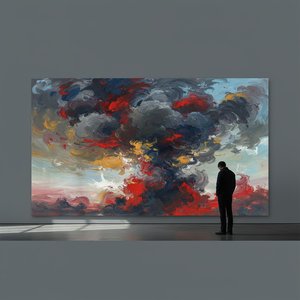
Oil On CanvasWallArtAbstract Expressionism
 1948Modern
 244.0 x 122.0 cm
Kézzel festett olajvastú vászon, az Ön által választott méretben és keretben, művészeink készítik meglévőre. ( Nyomat rendelése Kép letöltése)





























Válasszon előre meghatározott méreteink közül, amelyek megfelelnek a műalkotás eredeti arányainak.

Ön megadhat saját méreteket egy adott kerethez vagy térhez igazításhoz. Ha a kiválasztott méret nem egyezik az eredeti kép arányával, akkor a műalkotást levágjuk, vagy további kézzel festett elemekkel meghosszabbítjuk a festményt. A gyártás megkezdése előtt küldünk Önnek egy digitális előnézetet jóváhagyásra.
Kérjük, vegye figyelembe, hogy a képernyőn megjelenő előnézet nem tükrözi a tényleges vágást vagy kiterjesztést. Csak az előnézet fog pontosan mutatni a végső kompozíciót.
Bár egyedi méretek állnak rendelkezésre, javasoljuk, hogy válasszon egy méretet az előre meghatározott listából az eredeti arányok megőrzése érdekében.
Világszerte elérhető szállítás () 3-4 hét alatt a szokásos 5 hét helyett. (17 augusztus). A minőség nem kérdőjelezhető.


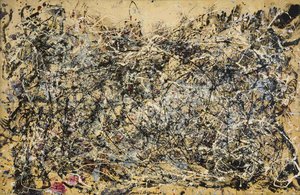
Number 5
Reprodukció mérete
Jackson Pollock’s *No. 5*, created in 1948, stands as an emblem of Abstract Expressionism—a movement that irrevocably altered the landscape of modern art. More than just a painting; it's a visceral embodiment of emotion, intellect, and revolutionary technique, captivating viewers with its mesmerizing complexity and enduring legacy. This monumental canvas, measuring eight by four feet on fiberboard, transcends mere visual representation, inviting contemplation about the very nature of artistic expression itself.
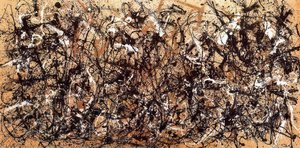
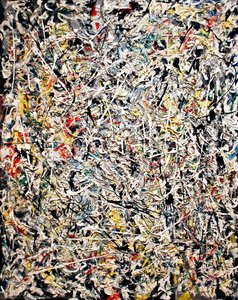
Pollock’s groundbreaking approach to painting—drip painting—was unlike anything seen before. Rejecting traditional brushstrokes and easel-bound compositions, he embraced a method that involved pouring and manipulating liquid paints onto a horizontal surface. This seemingly effortless process concealed an astonishing level of control and precision. Using synthetic resin paints mixed with linseed oil, Pollock meticulously layered colors onto the fiberboard, creating intricate webs of pigment that resembled turbulent skies or blossoming floral arrangements. The resulting texture—a dense tapestry of interwoven lines and drips—became synonymous with “action painting,” a term coined by Harold Rosenberg to describe this transformative style.
At its core, *No. 5* is an intensely personal statement reflecting Pollock’s inner turmoil and fascination with the subconscious mind. Influenced by Surrealism and Native American art—particularly Navajo weaving patterns—Pollock sought to bypass rational thought and tap into primal impulses. The dominant hues of yellow and brown convey a sense of warmth, yet simultaneously hint at underlying anxieties and instability. Critics noted that “You spent money on ‘that’?” reflecting the initial reaction of Ted Dragon, Ossorio's partner. This painting isn’t merely decorative; it’s an invitation to delve into the depths of human emotion—a courageous exploration of vulnerability and resilience.
*No. 5*, alongside other works from Pollock’s drip period, propelled Abstract Expressionism to international prominence. It challenged conventional artistic norms and solidified Pollock's position as a pioneer of American art history. The deliberate absence of a title—a decision championed by Pollock himself—served to refocus attention on the painting’s inherent qualities, encouraging viewers to engage with it without preconceived notions. Its sale for $140 million in 2006 cemented its place among the most valuable artworks globally, symbolizing not only artistic achievement but also the transformative power of innovation and daring experimentation.
Today, *No. 5* continues to inspire artists and collectors alike. Its influence can be seen in countless subsequent works exploring similar themes of spontaneity and abstraction. Furthermore, reproductions of this masterpiece offer a remarkable opportunity to experience Pollock’s vision firsthand—bringing the dynamism and emotional depth of Abstract Expressionism into homes and galleries worldwide. For those seeking inspiration or delving deeper into art history, examining *No. 5* provides invaluable insight into the genesis of modern artistic thought.

1912 - 1956 , Egyesült Államok
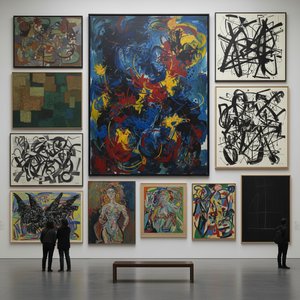
Fedezze fel a 10 legikonikusabb absztrakt expresszionista alkotást! Ismerje meg Jackson Pollock, Mark Rothko és más mesterek történetét. Művészeti reprodukciók prémium minőségben – BuyPopArt.com.

Explore the revolutionary art of Jackson Pollock & Abstract Expressionism. Discover his iconic drip paintings, lasting impact, and considerations for collecting this pivotal American artist. Expert insights at BuyPopArt.
Explore the profound emotional world of Abstract Expressionism with BuyPopArt. Discover key artists like Pollock & Rothko, learn about collecting, and find museum-quality reproductions to inspire your space.

Explore the life & work of John Jackson, a pivotal figure in Abstract Expressionism. Discover his innovative techniques, historical context, and lasting influence on modern art. A guide for discerning collectors.

Explore the profound emotional depth & formal innovation of Abstract Expressionism. Discover key artists, collecting insights, and investment potential with expert guidance. Learn more now.


Maradjon naprakész a legfrissebb művészeti hírekkel, exkluzív ajánlatokkal és dekorációs ötletekkel.
Írja le nekünk projektjét, és művészeti szakértőink 3 személyre szabott műalkotási javaslatot készítenek Önnek.
Hagyjuk, hogy mi válogassunk ki Önnek 3 legjobb opciót – Ingyenesen!


 Megtekintés
 Küldés
 Megosztás
 Részletek

 Letöltés
 Hasonló darabok
 X-ray felvétel
 Diavetítés
 Összes részlet megjelenítése







 Az üvegkeretes opció csak 110 cm alatti méretben érhető el