

 Preview
 Nyomat vásárlása Kép letöltése
 Megosztás
 Részletek
 Kedvencekhez ad
 Letöltés
 Hasonló alkotások
 X-ray felvétel
 Diavetítés
Kézzel festett olajvastú vászon, az Ön által választott méretben és keretben, művészeink készítik meglévőre.
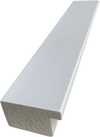
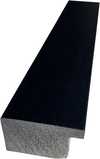
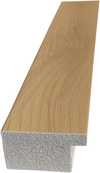
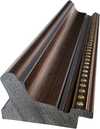
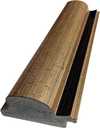
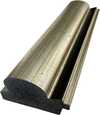
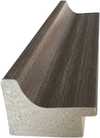
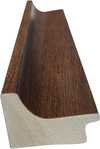
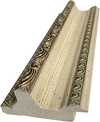
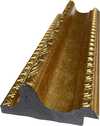
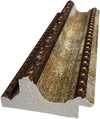
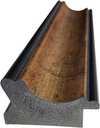
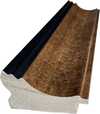
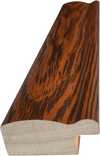
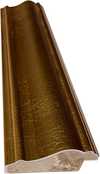
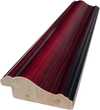
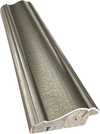
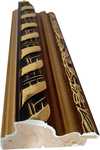
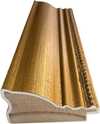
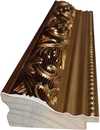
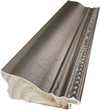
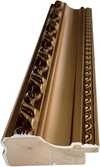
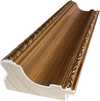
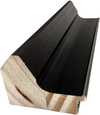
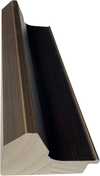
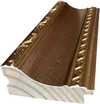
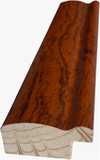
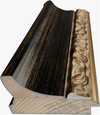
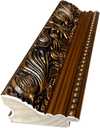
Válasszon előre meghatározott méreteink közül, amelyek megfelelnek a műalkotás eredeti arányainak.

Ön megadhat saját méreteket egy adott kerethez vagy térhez igazításhoz. Ha a kiválasztott méret nem egyezik az eredeti kép arányával, akkor a műalkotást levágjuk, vagy további kézzel festett elemekkel meghosszabbítjuk a festményt. A gyártás megkezdése előtt küldünk Önnek egy digitális előnézetet jóváhagyásra.
Kérjük, vegye figyelembe, hogy a képernyőn megjelenő előnézet nem tükrözi a tényleges vágást vagy kiterjesztést. Csak az előnézet fog pontosan mutatni a végső kompozíciót.
Bár egyedi méretek állnak rendelkezésre, javasoljuk, hogy válasszon egy méretet az előre meghatározott listából az eredeti arányok megőrzése érdekében.
Világszerte elérhető szállítás () 3-4 hét alatt a szokásos 5 hét helyett. (27 július). A minőség nem kérdőjelezhető.


Stool
A reprodukció mérete
The artwork “Stool” by Pelagio Palagi, created in 1835, stands as a testament to the Neoclassical aesthetic prevalent during Carlo Alberto’s reign and embodies the meticulous craftsmanship characteristic of Bolognese furniture design. This gilded wooden bench transcends mere functionality; it's an opulent symbol of royal patronage and reflects Palagi’s profound understanding of classical principles.
Palagi, deeply influenced by Count Aldrovandi’s academy and its emphasis on drawing and perspective, honed his skills in replicating sculptural forms with remarkable accuracy. The bench’s design incorporates elements reminiscent of Roman temples—specifically the Doric order—demonstrating Palagi's commitment to reviving classical ideals within contemporary art.
The meticulous gilding process highlights Palagi’s mastery of decorative techniques, elevating the piece beyond a simple seat. Red trim accentuates the bench’s contours, adding visual dynamism and emphasizing its grandeur. Two angelic figures positioned on either side bestow upon it an aura of serenity and divine protection—a deliberate choice intended to convey nobility and spiritual significance.
Located within the Palazzo Reale in Turin, Italy, “Stool” serves as a tangible link to Turin’s artistic heritage during the Romantic era. Its presence speaks volumes about the importance placed on refined taste and artistic excellence by the royal court. The artwork's enduring appeal lies not only in its exquisite craftsmanship but also in its ability to evoke feelings of grandeur and contemplation.
Further research into Palagi’s oeuvre reveals a prolific artist who produced numerous sculptures and architectural projects alongside his furniture designs. His fascination with archaeological discoveries—particularly the Etruscan tombs—fueled his artistic vision, inspiring him to incorporate motifs from ancient civilizations into his works. This dedication to scholarly pursuits underscores Palagi's belief that art should be informed by knowledge and rooted in historical tradition.
The Palazzo Reale’s collection showcases “Stool” alongside other masterpieces of Neoclassical sculpture and painting, cementing its place as a cornerstone of Turin’s artistic legacy. Its enduring beauty continues to captivate visitors today, reminding us of the transformative power of art to transcend time and inspire awe.

1775 - 1860 , Olaszország
Fedezze fel a Metropolitan Művészeti Múzeum 25 legikonikusabb műalkotását! Monet, Van Gogh, Rembrandt és más mesterek remekműveinek történeteit olvassa el. Inspirálódjon otthon dekorációjához – magas minőségű festmény reprodukciók a BuyPopArt.com-on!
Fedezze fel a művészettörténet 10 legikonikusabb bronzszobrát! Ismerje meg Rodint, Michelangelót és más mestereket. Luxus minőségű nyomatok otthonába – BuyPopArt.com.

Fedezze fel a művészettörténet 10 legikonikusabb bronzszobrát! Ismerje meg Rodin, Michelangelo és más mesterek alkotásait. Luxus minőségű reprodukciók otthonába – BuyPopArt.com.
Fedezze fel a detroiti Művészeti Intézet 25 legikonikusabb műalkotását! Rembrandt, Monet, Van Gogh és más mesterek történetei. Vászonképek reprodukciói, inspiráló dekoráció otthonába – BuyPopArt.com.
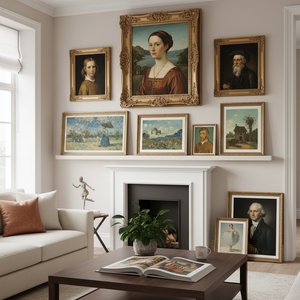
Fedezze fel a National Gallery Washington 25 legikonikusabb műalkotását! Cézanne, Matisse és Picasso remekművei – történetükkel, technikájukkal. Inspirálódjon festményekből otthona dekorációjához. Museum-minőségű reprodukciók a BuyPopArt.com oldalon!


Maradjon naprakész a legfrissebb művészeti hírekkel, exkluzív ajánlatokkal és dekorációs ötletekkel.
Írja le nekünk projektjét, és művészeti szakértőink 3 személyre szabott műalkotási javaslatot készítenek Önnek.
Hagyjuk, hogy mi válogassunk ki Önnek 3 legjobb opciót – Ingyenesen!


 Megosztás


 Tovább olvasom
 Az üvegkeretes opció csak 110 cm alatti méretben érhető el


