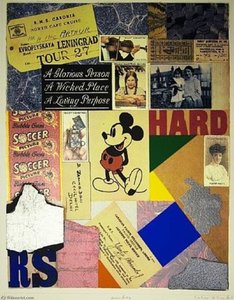
Kézzel festett olajvastú vászon, az Ön által választott méretben és keretben, művészeink készítik meglévőre. ( Váltás nyomtatványra Képváltás)





























Válasszon előre meghatározott méreteink közül, amelyek megfelelnek a műalkotás eredeti arányainak.

Ön megadhat saját méreteket egy adott kerethez vagy térhez igazításhoz. Ha a kiválasztott méret nem egyezik az eredeti kép arányával, akkor a műalkotást levágjuk, vagy további kézzel festett elemekkel meghosszabbítjuk a festményt. A gyártás megkezdése előtt küldünk Önnek egy digitális előnézetet jóváhagyásra.
Kérjük, vegye figyelembe, hogy a képernyőn megjelenő előnézet nem tükrözi a tényleges vágást vagy kiterjesztést. Csak az előnézet fog pontosan mutatni a végső kompozíciót.
Bár egyedi méretek állnak rendelkezésre, javasoljuk, hogy válasszon egy méretet az előre meghatározott listából az eredeti arányok megőrzése érdekében.
Világszerte elérhető szállítás () 3-4 hét alatt a szokásos 5 hét helyett. (6 augusztus). A minőség nem kérdőjelezhető.


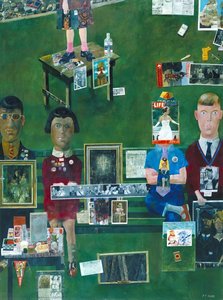
The First Real Target.
A reprodukció mérete
To stand before Peter Blake’s The First Real Target is not merely to observe paint on canvas; it is to step into a vibrant, slightly chaotic conversation between high art and the everyday detritus of modern life. Created in 1961, this piece arrives at a pivotal moment in cultural history—the burgeoning energy of Pop Art itself. Blake, ever the keen observer of popular culture, has assembled disparate visual elements into a compelling whole. The subject matter, ostensibly a target painted with bold circles of blue, red, yellow, and white, belies its deeper resonance. It is an object of focus, yet one that simultaneously fragments meaning through its very construction.
What immediately draws the eye is the palpable sense of collage. Blake masterfully employs techniques that suggest assemblage—the careful layering and juxtaposition of found or reproduced imagery. This approach was revolutionary, allowing him to dismantle traditional notions of pictorial space. The painted target structure serves as a framework upon which these visual conversations take place. One can almost feel the texture beneath the paint, the ghosting of different sources brought together by Blake’s hand. It is an energetic surface that refuses singular interpretation, inviting the viewer's eye to wander across the concentric rings and the central yellow void.
The symbolism inherent in a target is potent and multifaceted. On the surface, it speaks of aim, precision, and the pursuit of a goal—a universal human endeavor. Yet, Blake complicates this straightforward reading. The multiple colors and overlapping circles suggest that any single 'bullseye' might be elusive or perhaps even overrated. Is the true focus in the center yellow circle, or is the meaning found in the surrounding blue rings? This ambiguity mirrors the cultural landscape of the early sixties—a time brimming with possibility, yet also marked by burgeoning social anxieties and media saturation. The piece suggests that modern life requires us to aim not for one single point, but to navigate a constellation of competing interests.
The First Real Target is deeply embedded in the spirit of British Pop Art. Blake was instrumental in elevating popular imagery—the mundane, the commercial, the mass-produced—to the pedestal of fine art. This work captures that exhilarating tension: the elevation of the common object into something profound. For the collector or designer seeking an accent piece, this painting offers more than mere decoration; it offers intellectual engagement. It pulses with a vibrant, optimistic energy while simultaneously questioning the very nature of 'success' or 'focus.' To own a reproduction is to invite a conversation about culture, artifice, and the beautiful messiness of modern experience into your living space.
CLASSIFICATION: Pop Art

1932 - , Egyesült Királyság

Explore the captivating Orientalist paintings of John Frederick Lewis! Discover his mastery of detail, genre scenes & influence on 19th-century British art. Learn about his life, techniques & legacy at BuyPopArt.

Explore the life & work of Reginald Grenville Eves, a leading British portraitist who transitioned to captivating landscape painting. Discover his legacy and prominent works at BuyPopArt.

Fedezze fel, hogyan integrálhatja a popkultúra ihletésű művészetet kifinomultan otthonába! Szakértői tanácsok keretezéshez, tematikus gyűjteményekhez és stílusos belsőépítészethez. Inspirálódjon most!

Explore the fascinating history of Pop Art, from its rebellious origins to its enduring influence on contemporary artists. Discover key figures like Warhol & Lichtenstein and learn about collecting this iconic movement.
Explore the captivating world of Pop Surrealism with BuyPopArt. Discover key artists like George Condo & Robert Williams, investment potential, and the movement's cultural impact. Expert insights for collectors.


Maradjon naprakész a legfrissebb művészeti hírekkel, exkluzív ajánlatokkal és dekorációs ötletekkel.
Írja le nekünk projektjét, és művészeti szakértőink 3 személyre szabott műalkotási javaslatot készítenek Önnek.
Hagyjuk, hogy mi válogassunk ki Önnek 3 legjobb opciót – Ingyenesen!


 Előnézet
 Megosztás
 Megosztás
 Részletek

 Letöltés
 Hasonló alkotások
 X-ray felvétel
 Diavetítés


 Tovább olvasom







 Az üvegkeretes opció csak 110 cm alatti méretben érhető el