x


 Nyomat vásárlása Kép letöltése
 Megosztás
 Részletek
 Kedvencekhez ad
 Letöltés
 Hasonló alkotások
 X-ray felvétel
 Diavetítés
Kézzel festett olajvastú vászon, az Ön által választott méretben és keretben, művészeink készítik meglévőre.





























Válasszon előre meghatározott méreteink közül, amelyek megfelelnek a műalkotás eredeti arányainak.

Ön megadhat saját méreteket egy adott kerethez vagy térhez igazításhoz. Ha a kiválasztott méret nem egyezik az eredeti kép arányával, akkor a műalkotást levágjuk, vagy további kézzel festett elemekkel meghosszabbítjuk a festményt. A gyártás megkezdése előtt küldünk Önnek egy digitális előnézetet jóváhagyásra.
Kérjük, vegye figyelembe, hogy a képernyőn megjelenő előnézet nem tükrözi a tényleges vágást vagy kiterjesztést. Csak az előnézet fog pontosan mutatni a végső kompozíciót.
Bár egyedi méretek állnak rendelkezésre, javasoljuk, hogy válasszon egy méretet az előre meghatározott listából az eredeti arányok megőrzése érdekében.
Világszerte elérhető szállítás () 3-4 hét alatt a szokásos 5 hét helyett. (16 július). A minőség nem kérdőjelezhető.


The Toy Shop
A reprodukció mérete
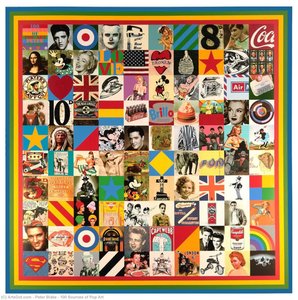
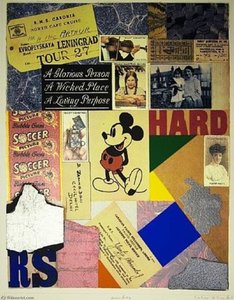
To stand before Peter Blake’s vibrant vision, "The Toy Shop," is not merely to look at an image; it is to step through a portal back into the glorious, overwhelming sensory overload of pure childhood delight. This piece captures that specific moment where the mundane architecture of a shop window transforms into a dazzling repository of possibility. The composition itself is a masterful exercise in visual abundance, dominated by the deep, inviting green of the door juxtaposed against the glittering promise held within the multi-paned display case. It speaks to an era—the early 1960s—when popular culture was exploding outward, and Blake, ever the keen observer, captured that effervescent energy.
Technically, "The Toy Shop" is a quintessential example of collage art, a medium perfectly suited to the spirit of Pop Art. Blake employs a technique that feels both meticulously assembled and wonderfully spontaneous. By layering cut-and-pasted images—fragments drawn from advertisements, printed ephemera, and manufactured goods—he creates a surface that pulses with simulated texture and saturated color. The flatness inherent in the collage process is not a limitation but a strength; it forces the viewer to acknowledge the artifice of popular imagery while simultaneously elevating its emotional resonance. It is an homage to the visual detritus of modern life, rendered with the seriousness of high art.
The subject matter—the toy shop—is rich with symbolism. The sheer density of toys suggests a commentary on consumerism itself; it is an overwhelming bounty that speaks to both joy and potential excess. Yet, this abundance is tempered by the undeniable warmth emanating from the piece. Notice the small details: the Union Jack flag adorning the door hints at a specific cultural moment and British identity, grounding the whimsical chaos in a recognizable locale. These elements invite contemplation on what we value—the enduring magic of play against the backdrop of commercial reality.
For collectors and designers alike, this reproduction offers more than just decoration; it offers an emotional anchor. The piece radiates a cheerful, almost chaotic energy that can revitalize any room, whether it is a gallery wall needing a burst of color or a living space yearning for playful spirit. It is whimsical without being saccharine, bold without being aggressive. Owning "The Toy Shop" means embracing the joy of looking closely—to noticing the tiny details, the clash of saturated hues, and the enduring power of simple, manufactured delight.

Peter Blake is a towering figure within the Pop Art movement, celebrated for his innovative use of collage, his masterful blending of popular and fine art traditions, and his enduring ability to capture the spirit of an era. He stands as a pivotal voice in British visual culture, shaping perceptions of childhood, nostalgia, and cultural identity.
Blake's artistic development was marked by a distinctive approach to visual storytelling. Works such as *On The Balcony*(1955-57) exemplify his early mastery of collage, not in the literal sense of adhering materials, but through meticulously painted recreations that mimicked the effect. This piece, inspired by Honoré Sharrer’s depictions of workers holding famous paintings, is a complex layering of pop culture references and fine art allusions, hinting at the artist's fascination with the interplay between high and low culture.
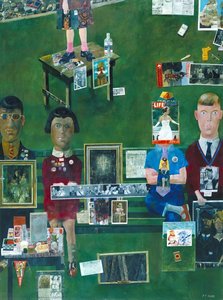
He won the (1961) John Moores junior award for *Self Portrait with Badges*. Blake was included in group exhibitions at the Institute of Contemporary Arts. In the “Young Contemporaries” exhibition of 1961 in which he exhibited alongside David Hockney and R. B. Kitaj, he was first identified with the emerging British Pop Art movement.
Blake’s skill as an illustrator, designer and painter has enabled him to operate as a fine artist and yet appeal to mass audiences and he was appointed RDI in 1987.

1932 - , Egyesült Királyság
Fedezze fel, hogyan integrálhatja a popkultúra ihletésű művészetet kifinomultan otthonába! Szakértői tanácsok keretezéshez, tematikus gyűjteményekhez és stílusos belsőépítészethez. Inspirálódjon most!

Explore the fascinating history of Pop Art, from its rebellious origins to its enduring influence on contemporary artists. Discover key figures like Warhol & Lichtenstein and learn about collecting this iconic movement.
Explore the captivating world of Pop Surrealism with BuyPopArt. Discover key artists like George Condo & Robert Williams, investment potential, and the movement's cultural impact. Expert insights for collectors.
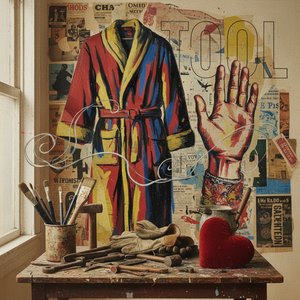
Explore the captivating world of Jim Dine – Pop Art pioneer & master of autobiographical expression. Discover his iconic tools, robes, and hearts. Expert insights for art collectors.

Explore the fascinating relationship between color & emotion in art history. Discover how master artists like Matisse & Gauguin used vibrant hues to evoke feelings and cultural meanings. A deep dive for classic art enthusiasts.


Maradjon naprakész a legfrissebb művészeti hírekkel, exkluzív ajánlatokkal és dekorációs ötletekkel.
Írja le nekünk projektjét, és művészeti szakértőink 3 személyre szabott műalkotási javaslatot készítenek Önnek.
Hagyjuk, hogy mi válogassunk ki Önnek 3 legjobb opciót – Ingyenesen!


 Megosztás


 Tovább olvasom







 Az üvegkeretes opció csak 110 cm alatti méretben érhető el