Adja értékesésre műveiét
x
ElőnézetElőnézet AR előnézetAR előnézet Váltás nyomtatványra Váltás nyomtatványraKépváltás Képváltás MegosztásMegosztás
RészletekRészletek Kedvencekhez ad Kedvencekhez ad LetöltésLetöltés Hasonló alkotásokHasonló alkotások X-ray felvételX-ray felvétel DiavetítésDiavetítés

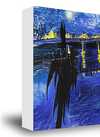
Untitled

  • Készült ideje1932
  • Méretek28.0 x 22.0 cm

Explore the art of Rabindranath Tagore: Bengali poet & Nobel laureate. Discover his modernist paintings, spiritual themes, evocative portraits, & influence on Indian art.

Kézzel készített olajfestmény reprodukció

Kézzel festett olajvastú vászon, az Ön által választott méretben és keretben, művészeink készítik meglévőre. (Váltás nyomtatványra Váltás nyomtatványraKépváltás Képváltás)

Standard
custom
CM
INCH

Válasszon előre meghatározott méreteink közül, amelyek megfelelnek a műalkotás eredeti arányainak.

szélesség
magasság

Ön megadhat saját méreteket egy adott kerethez vagy térhez igazításhoz. Ha a kiválasztott méret nem egyezik az eredeti kép arányával, akkor a műalkotást levágjuk, vagy további kézzel festett elemekkel meghosszabbítjuk a festményt. A gyártás megkezdése előtt küldünk Önnek egy digitális előnézetet jóváhagyásra.
Kérjük, vegye figyelembe, hogy a képernyőn megjelenő előnézet nem tükrözi a tényleges vágást vagy kiterjesztést. Csak az előnézet fog pontosan mutatni a végső kompozíciót.
Bár egyedi méretek állnak rendelkezésre, javasoljuk, hogy válasszon egy méretet az előre meghatározott listából az eredeti arányok megőrzése érdekében.

Példák arra, mit lehet módosítani: az arc kicserélése az ügyfél fotójára; háziállat hozzáadása (pl. macska helyett kutya); rejtett üzenet elhelyezése a háttérben; a háttér tájának vagy elemeinek megváltoztatása.
A rendelést követően a BuyPopArt.com csapata e-mailt küld az ügyfélnek az instrukciókért, és biztosít egy előnézeti képet (mockup).

Világszerte elérhető szállítás () 3-4 hét alatt a szokásos 5 hét helyett. (1 augusztus). A minőség nem kérdőjelezhető.

why_choose_icon
Ingyenes globális expressz szállítás
why_choose_icon
Prémium minőségű len vászon
why_choose_icon
Teljes szállítási biztosítás
why_choose_icon
Vámvisszatérítési Garancia
why_choose_icon
Tökéletes színpontosság garancia
why_choose_icon
60 napos visszaküldési lehetőség (csak gyártási hibák esetén)
why_choose_icon
100%-os pénzvisszatérítési garancia
why_choose_icon
Kedvezmény több termény esetén

Összesen

$ 288

reproduction

Untitled

Reprodukciós technika

A reprodukció mérete

-

Összesített ár

$ 288


A művész életrajza

Rabindranath Tagore: Poet, Painter, and the Soul of Modern India

Rabindranath Tagore (1861-1941) stands as one of the most revered figures in Bengali literature and Indian art history—a polymath whose creative output spanned poetry, novels, dramas, music, painting, and philosophy. Born into a wealthy aristocratic family steeped in intellectual tradition, Tagore’s upbringing fostered an unparalleled curiosity for both Eastern and Western cultures, shaping his artistic vision and profoundly influencing the trajectory of twentieth-century India. He wasn't merely a writer; he was a visionary who sought to redefine Indian identity through art and thought, earning him the distinction of being the first non-European recipient of the Nobel Prize in Literature in 1913—a testament to his enduring legacy as a humanist artist.

Early Life and Education: Seeds of Genius

Tagore’s formative years were marked by an exceptional education overseen by his father, Debendranath Tagore, who instilled in him a deep appreciation for Sanskrit scholarship and philosophical contemplation alongside a grounding in Western classics. Unlike many of his peers, Tagore eschewed formal university studies after graduating from University College London in 1879-80, preferring to pursue independent intellectual exploration—a decision that allowed him to immerse himself fully in the burgeoning Bengali Renaissance. This period witnessed an explosion of artistic and literary innovation, fueled by a desire to revitalize Indian culture and challenge colonial dominance. Tagore’s involvement with the Brahmo Samaj, founded by his father, further solidified his commitment to progressive ideals rooted in Hinduism—a rejection of rigid dogma and advocacy for social reform that would characterize much of his subsequent work.

Literary Achievements: The Voice of Bengal

Tagore's literary output is staggering – approximately 2,232 songs, alongside numerous poems, novels, short stories, dramas, and essays—each imbued with a lyrical beauty and profound psychological insight. His poetry, particularly *Gitanjali* (Song Offerings), captivated audiences worldwide with its evocative imagery and spiritual resonance, establishing him as the foremost Bengali poet of his time. Translations by Ezra Pound and William Yeats catapulted Tagore’s work into the international spotlight, introducing Western readers to the richness of Indian spirituality and aesthetics. Novels like *Gora* and *Pather Panchali* explored themes of poverty, rural life, and social injustice with remarkable sensitivity—demonstrating Tagore's ability to capture the complexities of human experience while upholding humanist values. His dramas, notably *Rakhtakaravi* (Red Oleanders) and *Muktadhara* (The Waterfall), tackled weighty moral dilemmas and championed compassion for all beings.

Painting: A Singular Vision

While Tagore’s literary reputation dominates historical narratives, his artistic endeavors deserve equal recognition—a realm where he cultivated a distinctive style that defied conventional academic trends. Influenced by Japanese prints and Western Impressionism, Tagore embarked on a prolific painting career in his sixties, producing thousands of canvases that reflect his fascination with nature, mythology, and human emotion. His paintings are characterized by bold forms, rhythmic compositions, and vibrant colors—a deliberate rejection of the meticulous realism favored by European artists. Recurring motifs include birds, flowers, landscapes bathed in twilight hues, and stylized depictions of Hindu deities—expressions of Tagore’s spiritual worldview and his unwavering belief in the interconnectedness of all things. His paintings stand apart from other Indian art movements of the time, representing a singular vision rooted in personal experience and informed by Eastern philosophical traditions.

Legacy: Santiniketan and Beyond

Tagore's most enduring contribution to India was arguably the establishment of Santiniketan—a rural school founded in 1901 that revolutionized Indian education. Embracing Tagore’s Upanishadic ideals of holistic learning, Santiniketan fostered a unique pedagogical approach prioritizing creativity, self-expression, and engagement with nature—a model that continues to inspire educators worldwide. Tagore's influence extended far beyond the classroom, shaping intellectual discourse on topics ranging from nationalism to humanism—and cementing his place as one of India’s most beloved cultural icons. He died peacefully in Calcutta in 1941, leaving behind a vast artistic and literary corpus that remains a source of inspiration for artists and thinkers alike—a testament to the enduring power of creativity and compassion.

Rövid tények

  • Artistic Movement Or Style: Contextual Modernism
  • Artists Or Movements Influenced By This Artist: ['Bengal School']
  • Artists Who Influenced This Artist:
    • Walt Whitman
    • William Morris
  • Date Of Birth: May 6, 1861
  • Date Of Death: August 7, 1941
  • Full Name: Rabindranath Tagore
  • Nationality: Bengali
  • Notable Artworks:
    • Gitanjali
    • The Gardener
  • Place Of Birth: Calcutta, India