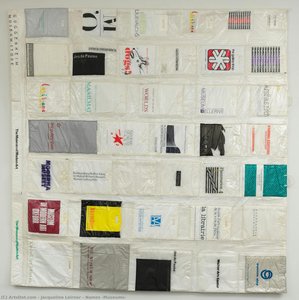
1978
1978 50.0 x 35.0 cm
 American University of Beirut
Kézzel festett olajvastú vászon, az Ön által választott méretben és keretben, művészeink készítik meglévőre. ( Nyomat rendelése Kép letöltése)
Válasszon előre meghatározott méreteink közül, amelyek megfelelnek a műalkotás eredeti arányainak.

Ön megadhat saját méreteket egy adott kerethez vagy térhez igazításhoz. Ha a kiválasztott méret nem egyezik az eredeti kép arányával, akkor a műalkotást levágjuk, vagy további kézzel festett elemekkel meghosszabbítjuk a festményt. A gyártás megkezdése előtt küldünk Önnek egy digitális előnézetet jóváhagyásra.
Kérjük, vegye figyelembe, hogy a képernyőn megjelenő előnézet nem tükrözi a tényleges vágást vagy kiterjesztést. Csak az előnézet fog pontosan mutatni a végső kompozíciót.
Bár egyedi méretek állnak rendelkezésre, javasoljuk, hogy válasszon egy méretet az előre meghatározott listából az eredeti arányok megőrzése érdekében.
Világszerte elérhető szállítás () 3-4 hét alatt a szokásos 5 hét helyett. (13 augusztus). A minőség nem kérdőjelezhető.


Charaf :
Reprodukció mérete
Rafic Charaf (1932–2003) stands as a pivotal figure in the development of modern Lebanese art, a painter whose work resonated deeply with both the social and political realities of his nation and the enduring spirit of its folklore. Born in Baalbek, a region steeped in ancient history and layered cultural traditions, Charaf’s artistic journey was shaped by a rich heritage that manifested in a distinctive style characterized by poetic abstractions. His canvases often blended sociopolitical commentary with elements of autobiography and vibrant folk art, offering a compelling narrative of an artist deeply connected to his roots and committed to portraying the complexities of Lebanese identity.
His early years were spent in a modest village setting, far removed from the established artistic circles of Beirut. Despite this isolation, he cultivated a keen eye for observation, capturing scenes of daily life and the surrounding landscape on scraps of paper—a habit that would later inform his distinctive visual language. Crucially, his family’s background as blacksmiths instilled in him a profound respect for craftsmanship and an appreciation for the transformative power of materials. This early exposure to both manual labor and artistic expression laid the groundwork for his future explorations of form and texture, creating a bridge between the tactile reality of his upbringing and the ethereal nature of his later abstractions.
Charaf’s formal education began at the Académie Libanaise des Beaux-Arts (ALBA) in Beirut, where he honed his technical skills and developed a foundational understanding of Western art traditions. His talent eventually earned him prestigious scholarships that allowed him to expand his horizons far beyond the Levant. From 1955 to 1957, he studied at the Real Academia de Bellas Artes de San Fernando in Madrid, an experience that significantly impacted his palette and perspective. During this Spanish period, his work often reflected a more somber, melancholic tone, featuring muted colors and landscapes crisscrossed by wires and dead trees—a reflection of a bleak perception of life rooted in his difficult childhood.
The artist's pursuit of mastery continued in Italy, where he attended the Pietro Vanucci Academy in Perugia around 1960. This period of international study allowed him to synthesize various European influences with his Middle Eastern sensibilities. While his technical training was rooted in academic excellence, Charaf’s artistic heart remained tethered to the evocative depictions of mythology and folklore found in the works of Syrian artist Abou Subhi al Tinawi. This blend of Western technique and Eastern storytelling became the cornerstone of his mature style.
As Charaf returned to Beirut, his work underwent a transformative evolution. During the vibrant 1960s, his paintings began to move away from the starker landscapes of his youth toward more expressive and whimsical forms. In many of these works, one can observe simple forms rendered with visible, expressive brushstrokes alongside large planes of flat color, foreshadowing the signature abstraction that would define his career. His art became a tapestry of memory and social observation, where the boundaries between the personal and the political often blurred.
His contributions to the Lebanese art scene were both prolific and influential:
Ultimately, the work of Rafic Charaf remains a testament to the resilience of the human spirit and the power of art to navigate through periods of profound change. Through his poetic abstractions, he captured not just the landscape of Lebanon, but the very soul of its people, leaving behind a legacy that continues to inspire awe and reflection in the contemporary art world.

1932 - 2003 , Lebanon


Maradjon naprakész a legfrissebb művészeti hírekkel, exkluzív ajánlatokkal és dekorációs ötletekkel.
Írja le nekünk projektjét, és művészeti szakértőink 3 személyre szabott műalkotási javaslatot készítenek Önnek.
Hagyjuk, hogy mi válogassunk ki Önnek 3 legjobb opciót – Ingyenesen!


 Megtekintés
 Küldés
 Megosztás
 Részletek

 Letöltés
 Hasonló darabok
 X-ray felvétel
 Diavetítés
 Összes részlet megjelenítése




































 Az üvegkeretes opció csak 110 cm alatti méretben érhető el