

 Abstract Expressionism
 1958
1958 168.0 x 138.0 cm
Kézzel festett olajvastú vászon, az Ön által választott méretben és keretben, művészeink készítik meglévőre. ( Switch to Print Switch to Image)
Válasszon előre meghatározott méreteink közül, amelyek megfelelnek a műalkotás eredeti arányainak.

Ön megadhat saját méreteket egy adott kerethez vagy térhez igazításhoz. Ha a kiválasztott méret nem egyezik az eredeti kép arányával, akkor a műalkotást levágjuk, vagy további kézzel festett elemekkel meghosszabbítjuk a festményt. A gyártás megkezdése előtt küldünk Önnek egy digitális előnézetet jóváhagyásra.
Kérjük, vegye figyelembe, hogy a képernyőn megjelenő előnézet nem tükrözi a tényleges vágást vagy kiterjesztést. Csak az előnézet fog pontosan mutatni a végső kompozíciót.
Bár egyedi méretek állnak rendelkezésre, javasoljuk, hogy válasszon egy méretet az előre meghatározott listából az eredeti arányok megőrzése érdekében.
Világszerte elérhető szállítás () 3-4 hét alatt a szokásos 5 hét helyett. (29 július). A minőség nem kérdőjelezhető.


Laocoön
A reprodukció mérete
Andrew Newell Wyeth (July 12, 1917 – January 16, 2009) stands as one of the most distinctive and enduring figures in 20th-century American art. Often described as a realist painter, his work transcends simple representation, delving into profound themes of memory, isolation, and the quiet dignity of rural life. Born in Portland, Maine, Wyeth’s artistic journey was deeply rooted in his family's legacy – particularly that of his father, N.C. Wyeth, a celebrated illustrator and member of the Brandywine School. This familial connection provided both inspiration and a subtle pressure to forge his own unique path, one characterized by an intensely personal and often melancholic vision.
Wyeth’s early life was shaped by the landscapes and people of Maine and Pennsylvania. He spent countless hours observing his surroundings, meticulously capturing details that spoke volumes about time, place, and human experience. His childhood was marked by a close relationship with his grandmother, Fannie Wyeth Stillwell, whose presence became a recurring motif in his work – most famously depicted in *Christina’s World* (1948), an image that has become synonymous with his style. This painting, housed at the Museum of Modern Art in New York City, exemplifies Wyeth's ability to imbue seemingly simple scenes with layers of psychological depth and emotional resonance.
Beginning in the late 1940s, Wyeth embarked on a series of paintings depicting windows – a motif that would become central to his artistic practice for decades. These “Windows” paintings are not simply representations of glass; they are portals into other worlds, reflections of memory, and explorations of isolation. Each window frames a scene—a room, a landscape, or even an interior space—and through its reflection, Wyeth invites the viewer to contemplate the relationship between the seen and the unseen, the real and the imagined.
The Windows series is particularly notable for its exploration of memory and loss. Many of these paintings depict rooms that appear to be frozen in time, filled with objects that evoke a sense of nostalgia and longing. The figures within these scenes are often ambiguous, their identities obscured by shadow and distance, suggesting the elusive nature of memory itself. Wyeth’s masterful use of light and color further enhances this effect, creating an atmosphere of quiet melancholy and profound introspection.
Despite his initial reluctance to embrace publicity, Andrew Wyeth received widespread recognition for his work throughout his career. He was awarded the Presidential Medal of Freedom in 1988, a testament to his enduring influence on American art. In 1987, he was elected to the French Académie des Beaux-Arts—a rare honor bestowed upon an American artist—solidifying his place among the most esteemed figures in the international art world.
Wyeth’s legacy extends far beyond his individual paintings. His meticulous observation, his profound understanding of human emotion, and his distinctive visual style have influenced generations of artists. *Christina's World* remains one of the most iconic images of the 20th century, a powerful symbol of American isolation and resilience. Andrew Wyeth’s art continues to resonate with viewers today, inviting us to contemplate the beauty and melancholy of the everyday world.
For more information about Andrew Wyeth, please consult the following resources:

1917 - 2010 , United States of America
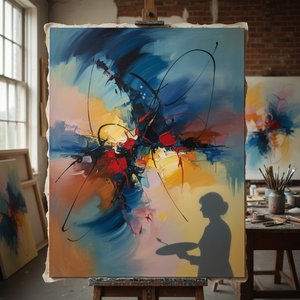
Explore the captivating world of Beatrice Parsons, a pioneering British abstract expressionist. Discover her journey from garden watercolors to evocative color field paintings and learn about her place within art history.
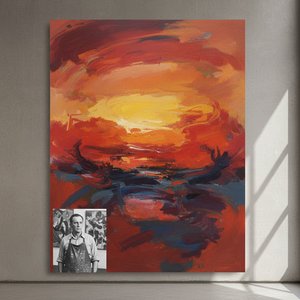
Explore the life & work of Jacob Kainen, a pivotal figure in American Abstract Expressionism and Color Field painting. Discover his journey from Social Realism to vibrant abstraction and lasting influence on 20th-century art.
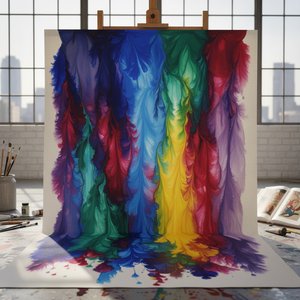
Explore the groundbreaking abstract expressionism of Morris Louis, a pioneer of Color Field painting. Discover his innovative techniques, influential series & lasting legacy in post-war American art. Learn more at BuyPopArt.

Fedezze fel a geometrikus absztrakció 10 legikonikusabb műalkotását! Kandinsky, Mondrian és más mesterek festményeinek története inspirálja otthona dekorációját. Múzeumi minőségű reprodukciók a BuyPopArt.com-on – fedezze fel online!

Fedezze fel a színpszichológia lenyűgöző világát a művészetben! Történelmi áttekintés, klasszikus festők elemzése és a színek érzelmi hatásának mélyreható vizsgálata. Ismerje meg, hogyan formálják a színek hangulatunkat és értelmezésünket.


Maradjon naprakész a legfrissebb művészeti hírekkel, exkluzív ajánlatokkal és dekorációs ötletekkel.
Írja le nekünk projektjét, és művészeti szakértőink 3 személyre szabott műalkotási javaslatot készítenek Önnek.
Hagyjuk, hogy mi válogassunk ki Önnek 3 legjobb opciót – Ingyenesen!


 Preview
 Megosztás
 Megosztás
 Részletek

 Letöltés
 Hasonló alkotások
 X-ray felvétel
 Diavetítés
 Tovább olvasom




































 Az üvegkeretes opció csak 110 cm alatti méretben érhető el


