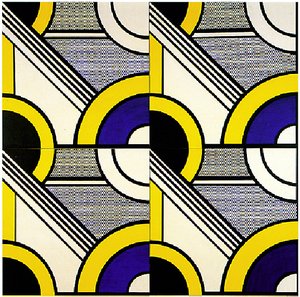
Acrylic On CanvasWallArtPop Art
 1962Modern
 106.0 x 106.0 cm
Kézzel festett olajvastú vászon, az Ön által választott méretben és keretben, művészeink készítik meglévőre. ( Switch to Print Switch to Image)
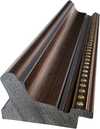
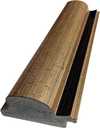
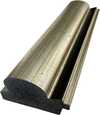
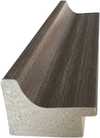
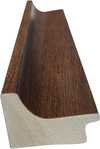
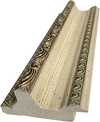
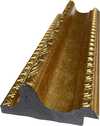
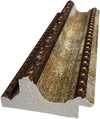
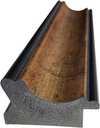
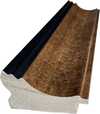
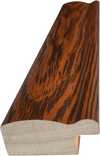
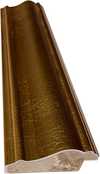
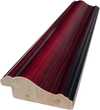
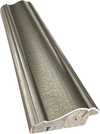
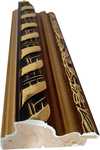
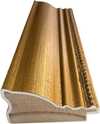
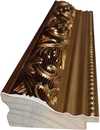
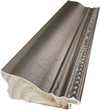
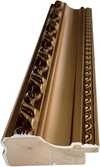
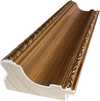
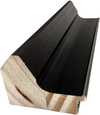
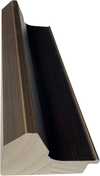
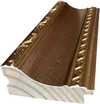
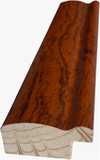
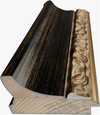
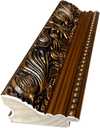
Válasszon előre meghatározott méreteink közül, amelyek megfelelnek a műalkotás eredeti arányainak.

Ön megadhat saját méreteket egy adott kerethez vagy térhez igazításhoz. Ha a kiválasztott méret nem egyezik az eredeti kép arányával, akkor a műalkotást levágjuk, vagy további kézzel festett elemekkel meghosszabbítjuk a festményt. A gyártás megkezdése előtt küldünk Önnek egy digitális előnézetet jóváhagyásra.
Kérjük, vegye figyelembe, hogy a képernyőn megjelenő előnézet nem tükrözi a tényleges vágást vagy kiterjesztést. Csak az előnézet fog pontosan mutatni a végső kompozíciót.
Bár egyedi méretek állnak rendelkezésre, javasoljuk, hogy válasszon egy méretet az előre meghatározott listából az eredeti arányok megőrzése érdekében.
Világszerte elérhető szállítás () 3-4 hét alatt a szokásos 5 hét helyett. (28 július). A minőség nem kérdőjelezhető.


Brattata
A reprodukció mérete
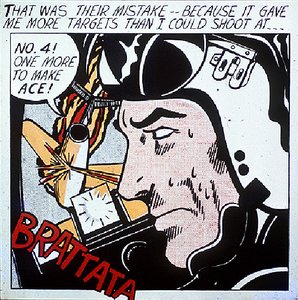
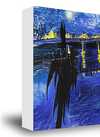
Roy Lichtenstein's “Brattata,” completed in 1962, stands as a cornerstone of Pop Art—a movement that irrevocably challenged artistic conventions and embraced imagery derived from popular culture. Measuring 106 x 106 cm and residing within the Tehran Museum of Contemporary Art’s collection, this oil on canvas painting transcends mere representation; it's an audacious reimagining of comic book aesthetics into a sophisticated form of visual art.
At its genesis lies DC Comics’ “All-American Men of War” #89, January–February 1962. Lichtenstein wasn't merely copying; he was actively interrogating the visual language of comics—a medium known for its bold lines, flat colors, and stylized narratives—transforming it into a statement of artistic ambition. The panel depicts a tense aerial combat scenario featuring a pilot battling enemy aircraft, capturing the dynamism and immediacy characteristic of comic book storytelling.
Lichtenstein’s masterful technique—the deliberate incorporation of Ben-Day dots—is central to “Brattata’s” impact. This method, borrowed from commercial printing processes, meticulously replicates the halftone shading found in comic books. Thick black outlines delineate figures and shapes with precision, while stylized shading contributes to a sense of depth without resorting to traditional perspective. The artist's intention was not simply to reproduce but to elevate the conventions of comics into the realm of fine art, questioning notions of artistic skill and originality.
Beyond its visual style, “Brattata” pulsates with narrative energy. Above the pilot’s helmet is a text balloon bearing the phrase "That was their mistake - because it gave me more targets than I could have shot at," encapsulating a moment of strategic calculation amidst the chaos of battle. The inclusion of onomatopoeia—the word “BRATTATA”—further amplifies the painting's dramatic impact, mirroring the sounds of gunfire and reinforcing its connection to comic book conventions.
“Brattata” isn’t merely a stylistic exercise; it reflects Lichtenstein’s own formative experiences as a United States Army pilot during World War II. Like other works from his aeronautical genre—including “Jet Pilot,” “Bratatat!,” and “Okay Hot-Shot, Okay!”—the painting embodies Lichtenstein's fascination with military imagery and his desire to explore themes of courage and conflict. The meticulous depiction of the gun sight and cockpit control panel by Russ Heath underscores Lichtenstein’s commitment to capturing realistic details while maintaining the distinctive aesthetic of comic art.
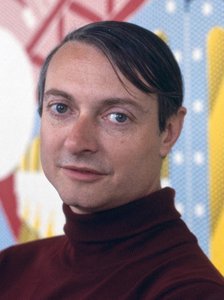
1923 - 1997 , Egyesült Államok
Fedezze fel Roy Lichtenstein 25 legikonikusabb művét! Ismerje meg a pop art forradalmár festményeit, technikáit és inspirációit. Vászonképek, faliképek – magas minőségben a BuyPopArt.com-on. Explore the full collection online!
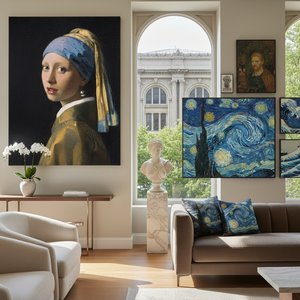
Fedezze fel a Metropolitan Művészeti Múzeum 25 legikonikusabb műalkotását! Monet, Van Gogh, Rembrandt és más mesterek remekműveinek történeteit olvassa el. Inspirálódjon otthon dekorációjához – magas minőségű festmény reprodukciók a BuyPopArt.com-on!
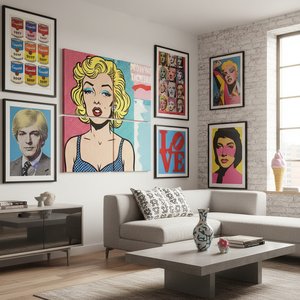
Fedezze fel a Pop Art 10 legnagyobb remekművét! Andy Warhol, Roy Lichtenstein és más ikonikus művészek alkotásainak története. Vászonképek, nyomatok – inspiráció otthonra a BuyPopArt.com-on. Explore the full collection online!
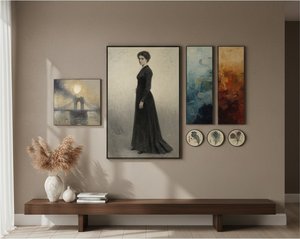
Fedezze fel James Abbott McNeill Whistler 25 legszebb művét! Ismerje meg a Nocturnok, portrék és az amerikai impresszionizmus mesterét. Elegáns faliképek otthonába – BuyPopArt.com kínálatából. Böngésszen online!
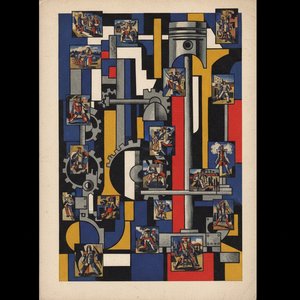
Fedezze fel Fernand Léger 25 legikonikusabb műalkotását! Ismerje meg a kubizmus, a tubizmus mesterét és a gépi kor lenyűgöző festményeit. Múzeumi minőségű vászonképek és poszterek a BuyPopArt-on. Explore the full collection online!


Maradjon naprakész a legfrissebb művészeti hírekkel, exkluzív ajánlatokkal és dekorációs ötletekkel.
Írja le nekünk projektjét, és művészeti szakértőink 3 személyre szabott műalkotási javaslatot készítenek Önnek.
Hagyjuk, hogy mi válogassunk ki Önnek 3 legjobb opciót – Ingyenesen!


 Preview
 Megosztás
 Megosztás
 Részletek

 Letöltés
 Hasonló alkotások
 X-ray felvétel
 Diavetítés
 Tovább olvasom
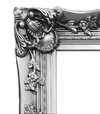
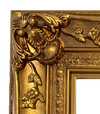
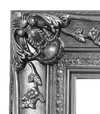
 Az üvegkeretes opció csak 110 cm alatti méretben érhető el