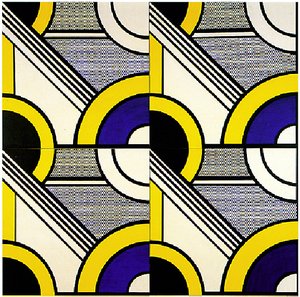
Múzeumi minőségű giclée vagy vászonnyomat, gyors gyártással és rugalmas finomítási lehetőségekkel. ( Áttérés a kézzel festett másolatra Képváltás)
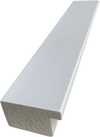
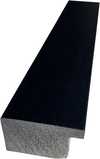
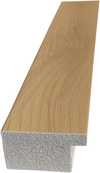
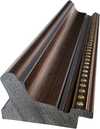
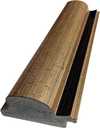
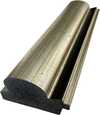
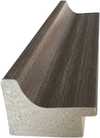
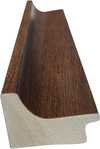
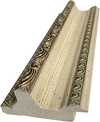
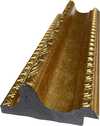
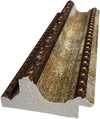
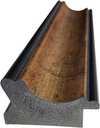
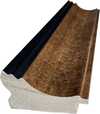
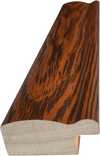
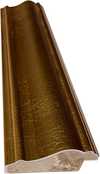
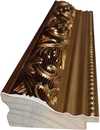
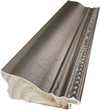
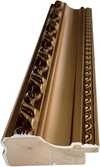
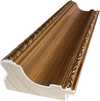
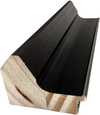
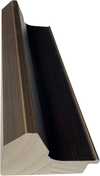
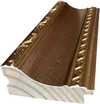
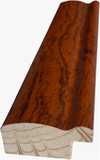
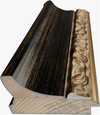
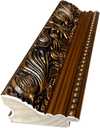
Válasszon előre meghatározott méreteink közül, amelyek megfelelnek a műalkotás eredeti arányainak.

Megadhat saját méreteket is egy konkrét kerethez vagy helyszínhez igazítva. Amennyiben a kiválasztott méret nem egyezik az eredeti kép arányokkal, a műalkotást le fogjuk vágni, vagy kiegészítjük a képet tükrözött vagy egyszínű szélekkel. A gyártás megkezdése előtt egy digitális tervezetet küldünk jóváhagyásra.
Kérjük, vegye figyelembe, hogy a képernyőn látható előnézet nem tükrözi a tényleges levágást vagy kiegészítést. Csak a tervezet mutatja pontosan a végső kompozíciót.
Bár az egyedi méretek is elérhetőek, az eredeti arányok megőrzése érdekében azt javasoljuk, hogy válasszon a előre meghatározott listából származó méretet.
Világszerte történő kiszállítás területére 2 hét alatt, a szokásos 4-5 hét helyett. 30 július


Bugs Bunny
A reprodukció mérete
Roy Lichtenstein’s “Bugs Bunny” isn’t merely a depiction of the iconic cartoon character; it’s a meticulously crafted embodiment of the Pop Art movement’s revolutionary approach to imagery and representation. Executed in 1957, this painting captures Bugs Bunny in a moment of calculated menace – his open mouth, exaggerated teeth, and piercing gaze transforming the beloved rabbit into a potent symbol of American popular culture. The work stands as a testament to Lichtenstein's ability to elevate everyday subjects—in this case, a cartoon character—to the level of high art, challenging traditional notions of artistic merit and demanding attention to the visual language of mass media.
“Bugs Bunny” is deeply embedded within the context of 1950s America, a period defined by burgeoning consumer culture, mass media saturation, and the rise of popular entertainment. Bugs Bunny himself was—and remains—a cornerstone of this cultural landscape, representing irreverence, cunning, and ultimately, American ingenuity. Lichtenstein’s choice to depict him in an aggressive pose – a rare moment of vulnerability for the typically cheerful character – adds another layer of complexity. This deliberate subversion of the cartoon's established persona speaks to Pop Art’s broader critique of idealized representations and its embrace of the commonplace.
Created in 1957, “Bugs Bunny” emerged during a pivotal moment in art history. Roy Lichtenstein was at the forefront of the Pop Art movement, alongside artists like Andy Warhol and Claes Oldenburg. This movement challenged the dominance of Abstract Expressionism and sought to engage with contemporary culture through the appropriation of imagery from advertising, comic books, and popular media. Lichtenstein’s work has had a profound influence on subsequent generations of artists, solidifying his place as one of the 20th century's most important and influential figures. This reproduction offers a direct connection to this groundbreaking artistic movement, allowing you to experience Lichtenstein's innovative approach firsthand.

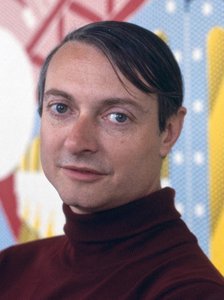
1923 - 1997 , Egyesült Államok
Fedezze fel, hogyan integrálhatja a popkultúra ihletésű művészetet kifinomultan otthonába! Szakértői tanácsok keretezéshez, tematikus gyűjteményekhez és stílusos belsőépítészethez. Inspirálódjon most!
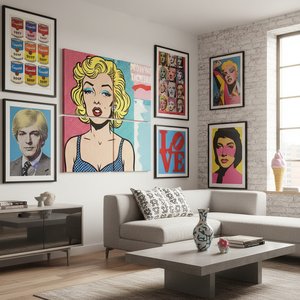
Fedezze fel a Pop Art 10 legnagyobb remekművét! Andy Warhol, Roy Lichtenstein és más ikonikus művészek alkotásainak története. Vászonképek, nyomatok – inspiráció otthonra a BuyPopArt.com-on. Explore the full collection online!
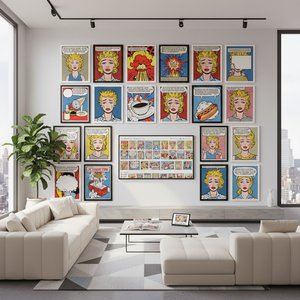
Fedezze fel Roy Lichtenstein 25 legikonikusabb művét! Ismerje meg a pop art forradalmár festményeit, technikáit és inspirációit. Vászonképek, faliképek – magas minőségben a BuyPopArt.com-on. Explore the full collection online!
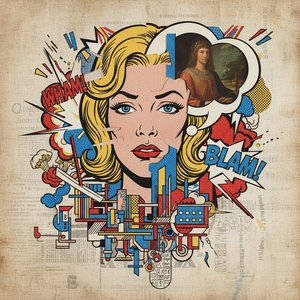
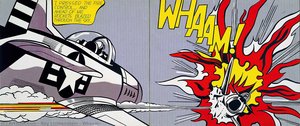
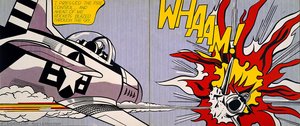
Explore Roy Lichtenstein's revolutionary Pop Art! Discover the story behind Ben-Day dots, iconic works like 'Whaam!', and investment insights for collectors. Expert analysis & high-quality reproductions at BuyPopArt.

Elevate your interiors with impactful statement walls! Expert guide on scaling artwork for perfect proportions & design harmony. Custom solutions & free consultations at BuyPopArt.


Maradjon naprakész a legfrissebb művészeti hírekkel, exkluzív ajánlatokkal és dekorációs ötletekkel.
Írja le nekünk projektjét, és művészeti szakértőink 3 személyre szabott műalkotási javaslatot készítenek Önnek.
Hagyjuk, hogy mi válogassunk ki Önnek 3 legjobb opciót – Ingyenesen!


 Előnézet
 Megosztás
 Megosztás
 Részletek

 Letöltés
 Hasonló alkotások
 X-ray felvétel
 Diavetítés

 Tovább olvasom
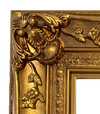
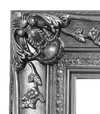
 Az üvegkeretes opció csak 110 cm alatti méretben érhető el