

Kézzel festett olajvastú vászon, az Ön által választott méretben és keretben, művészeink készítik meglévőre. ( Nyomat rendelése Kép letöltése)





























Válasszon előre meghatározott méreteink közül, amelyek megfelelnek a műalkotás eredeti arányainak.

Ön megadhat saját méreteket egy adott kerethez vagy térhez igazításhoz. Ha a kiválasztott méret nem egyezik az eredeti kép arányával, akkor a műalkotást levágjuk, vagy további kézzel festett elemekkel meghosszabbítjuk a festményt. A gyártás megkezdése előtt küldünk Önnek egy digitális előnézetet jóváhagyásra.
Kérjük, vegye figyelembe, hogy a képernyőn megjelenő előnézet nem tükrözi a tényleges vágást vagy kiterjesztést. Csak az előnézet fog pontosan mutatni a végső kompozíciót.
Bár egyedi méretek állnak rendelkezésre, javasoljuk, hogy válasszon egy méretet az előre meghatározott listából az eredeti arányok megőrzése érdekében.
Világszerte elérhető szállítás () 3-4 hét alatt a szokásos 5 hét helyett. (24 augusztus). A minőség nem kérdőjelezhető.


Portrait II
Reprodukció mérete
Roy Lichtenstein’s “Portrait II,” painted in 1986, is more than just a depiction of a figure with a banana; it’s a meticulously crafted explosion of color and a potent commentary on the burgeoning world of Pop Art. This vibrant work immediately grabs the viewer's attention with its unapologetic use of red and yellow – hues that evoke both energy and a slightly unsettling familiarity, mirroring the anxieties and consumerism prevalent in American society during the late 20th century.
The painting’s subject, rendered in Lichtenstein’s signature Ben-Day dot technique, possesses an almost cartoonish quality. The red scarf adds a touch of theatricality, while the banana itself – a symbol of abundance and perhaps even indulgence – is placed with deliberate incongruity atop the figure's head. This juxtaposition immediately disrupts any expectation of traditional portraiture, aligning it squarely within the Pop Art movement’s fascination with elevating everyday objects and imagery to the level of fine art.
Born in Manhattan in 1923, Roy Fox Lichtenstein's artistic trajectory was shaped by a unique blend of influences. His upbringing within an affluent Jewish family exposed him to the cultural richness of New York City and fostered a deep appreciation for art and music – particularly jazz. This early exposure, combined with formal training at the Art Students League under Reginald Marsh and subsequent studies at Ohio State University, provided the foundation for his revolutionary approach to painting. Lichtenstein’s decision to embrace comic book imagery and techniques was not merely an aesthetic choice; it was a deliberate rejection of the perceived elitism of traditional fine art, aligning himself with a generation seeking to democratize artistic expression.
“Portrait II” exemplifies Lichtenstein’s mastery of the Ben-Day dot technique, a method borrowed from commercial printing. This process involves applying tiny dots of color that, when viewed at a distance, blend together to create an illusion of shading and tone. The resulting effect is characteristic of Pop Art – flat, graphic, and intensely colorful. The meticulous application of these dots creates a sense of depth and texture while simultaneously reinforcing the painting’s artificial, almost manufactured quality. This technique was not simply a stylistic choice; it directly referenced the mass-produced imagery that Lichtenstein sought to critique and elevate.
The banana, a seemingly simple object, carries significant symbolic weight within the context of the artwork. It can be interpreted as a symbol of consumer culture, excess, or even the absurdity of modern life. The figure’s passive acceptance of this incongruous adornment suggests a commentary on conformity and the unquestioning embrace of popular trends. “Portrait II” is not intended to evoke profound emotional responses but rather to provoke thought and challenge viewers' perceptions of art and reality. Its bold colors and graphic style create an immediate visual impact, inviting contemplation about the relationship between art, commerce, and society.

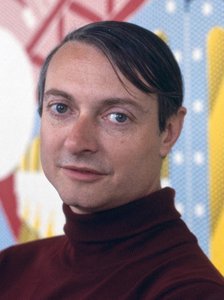
1923 - 1997 , Egyesült Államok

Dive into the high-impact world of Roy Lichtenstein. Explore how his bold color theory, Ben-Day dots, and comic book aesthetics revolutionized modern art and continue to define contemporary visual culture.

Go behind the scenes of Pop Art's visual revolution. Discover the industrial secrets of Warhol’s silk screens and Lichtenstein’s iconic Ben-Day dots. Explore how mass production tech transformed everyday imagery into high-impact, legendary fine art masterpieces.

Discover how Aggressive Pop Art is shattering minimalism to redefine urban design. Explore the high-impact trends of Neo-Pop, street style aesthetics, and bold graphic movements shaping modern interiors and contemporary culture.


Maradjon naprakész a legfrissebb művészeti hírekkel, exkluzív ajánlatokkal és dekorációs ötletekkel.
Írja le nekünk projektjét, és művészeti szakértőink 3 személyre szabott műalkotási javaslatot készítenek Önnek.
Hagyjuk, hogy mi válogassunk ki Önnek 3 legjobb opciót – Ingyenesen!


 Megtekintés
 Küldés
 Megosztás
 Részletek

 Letöltés
 Hasonló darabok
 X-ray felvétel
 Diavetítés

 Összes részlet megjelenítése







 Az üvegkeretes opció csak 110 cm alatti méretben érhető el


